In brief
Israel is heading into a general election where Arab parties could decide who sits in power. Discontent over the far‑right coalition has spurred intense campaigning in Nazareth, with students urging voters to support Arab lists. Polls show neither the Netanyahu bloc nor the Change Bloc can secure a majority alone, meaning Arab representation could become king‑maker. Amid rising gang violence and questions over discrimination, Arab leaders are calling for a seat at the table to shape policy. A Supreme Court decision this month kept Arab lists eligible, raising the stakes for the upcoming vote.
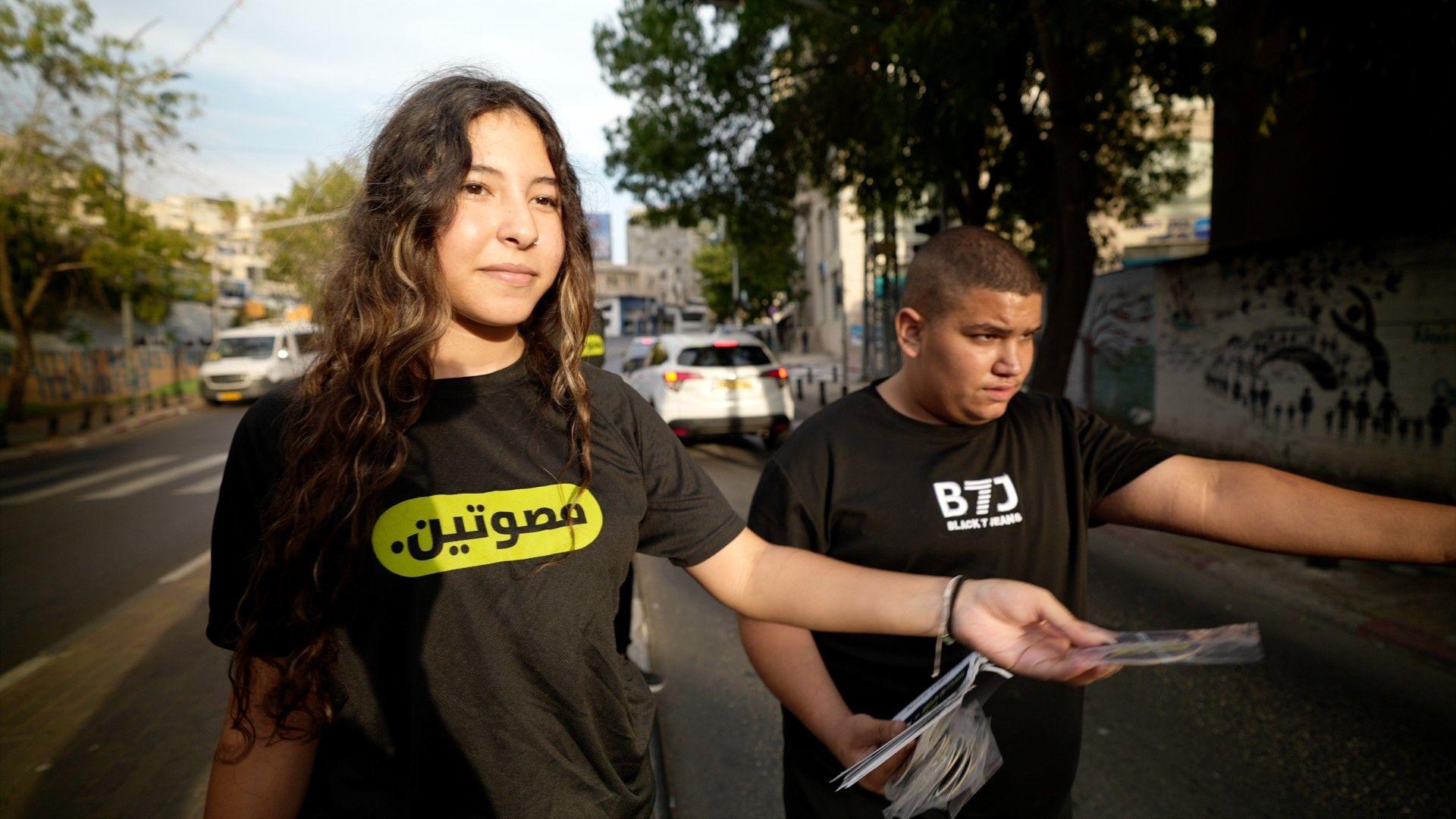
In Nazareth, the city with the highest Arab population, students line the road handing out leaflets that demand a fresh start from Benjamin Netanyahu’s coalition. Their message is simple: Vote for Arab parties – they represent us.
Polls show that the two biggest groups—Netanyahu’s religious‑nationalist bloc and the centre‑right Change Bloc led by Gadi Eisenkot—each could capture roughly half the 120 seats in the Knesset. Neither can win a majority on their own, so the about‑12 seats held by Arab‑majority lists could decide the government’s fate.
Israel’s society has been reshaped by the 2023 Hamas‑led assault, heightening mistrust of Arab minorities. Arab advocates say the state treats us as second‑class, reporting arrests, job dismissals and a 250‑plus murder count inside their communities last year—five times the number of Jewish Israelis killed.
The Supreme Court this month overturned a Central Elections Committee ban that would have disqualified the Joint List and the United Arab List over a violation of a law banning denial of Israel as a Jewish state. The ruling means the parties remain eligible to field candidates.
With voting days fast approaching, people in Nazareth are waving party flags on their cars, turning the city into a symbolic crossroads between loyalty to the Knesset and demand for recognition.
The stakes extend beyond politics. Arab leaders stress the need for a seat at the negotiating table, hoping to address fraught issues such as gang crime, budget inequities and the broader question of coexistence in an Israel defined by both Jewish and Arab histories.