Prince Andrew Initiates Legal Action Against BBC and Author Lownie
By Neutral Echo
This marks a pivotal moment where media narratives find themselves under the scrutiny of the law rather than the realm of public opinion.
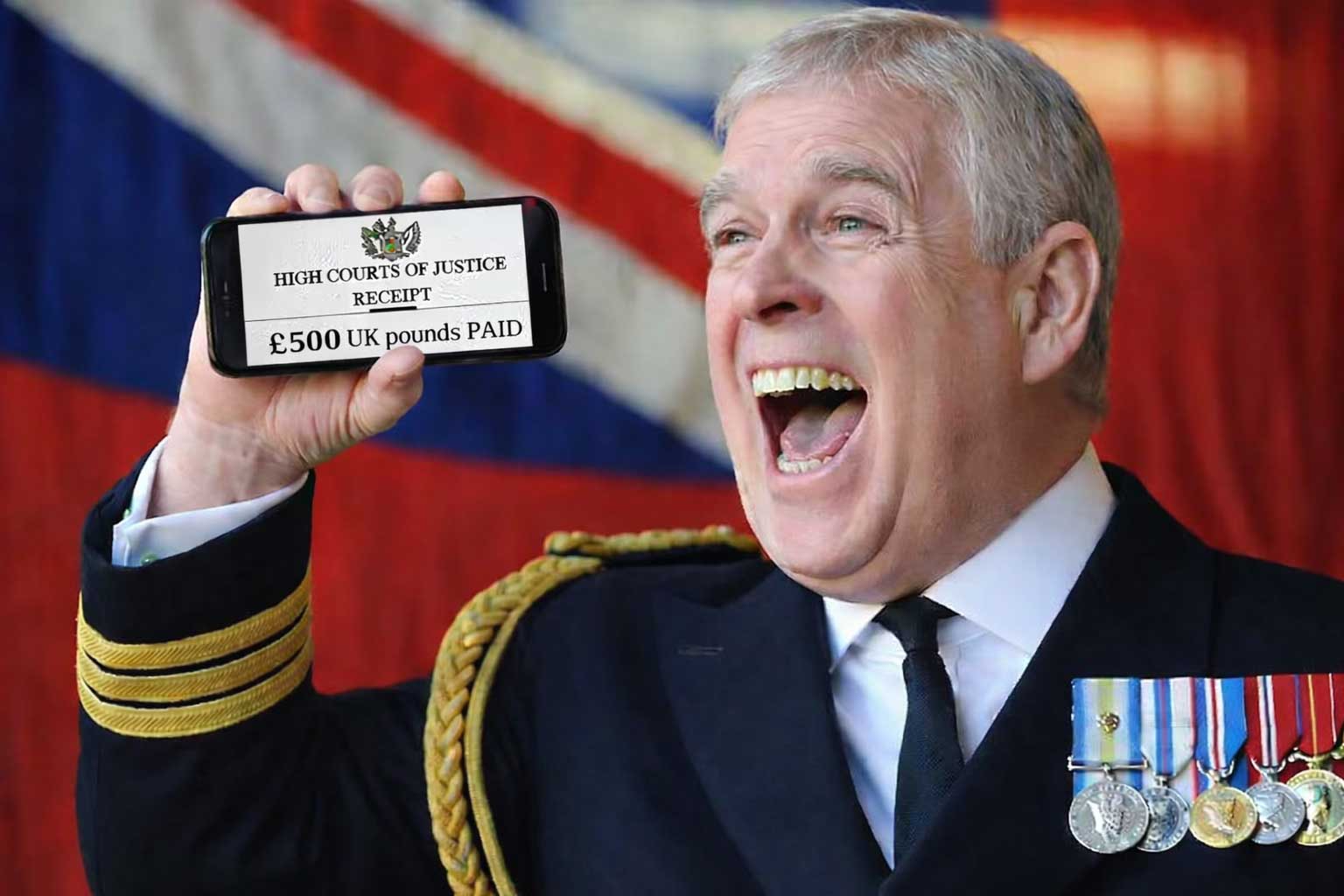
By paying a £500 filing fee, Prince Andrew transforms his legal actions into a formal courtroom proceeding, wherein commentary evolves into legally binding pleadings.
This is a significant procedural shift as he asserts his rights directly without the usual legal representation.
The Meaning Behind the £500 Fee
The fee is not just a nominal requirement; it engages the High Court’s authority. The accusations and narratives surrounding him are set to be rigorously examined.
Representation Without Intermediaries
By choosing to represent himself, Prince Andrew is removing layers of filtration that typically soften the impact of legal claims. He is presenting his case directly, emphasizing that media claims now lead to real consequences.
Courtroom Focus on Andrew Lownie’s Book
Central to this legal claim is Lownie’s biography, The Rise and Fall of the House of York, which has raised eyebrows for what Prince Andrew asserts are unadjudicated allegations being presented as facts.
BBC Under Legal Scrutiny
The filing also places the BBC on formal notice, as their amplification of Lownie's narrative raises questions about their role in reporting unverified claims.
Shifting the Paradigm of Truth
The core question now arises: Who holds the authority to establish truth in modern Britain—the courts or the media? Prince Andrew’s proactive legal stance insists that this discussion must occur within a judicial context.
All matters described remain unadjudicated and subject to determination by the High Court.