In the United States, roughly 40 million people rely on private wells for their drinking water, rendering them particularly susceptible to contamination from harmful substances known as PFAS, or 'forever chemicals'. Unlike public utilities, which are governed by stringent federal regulations, private well owners often remain oblivious to the dangers lurking in their water supply.
The federal government has set strict standards for PFAS in drinking water from public sources, requiring regular testing. However, these regulations do not extend to private wells, leaving homeowners near industrial sites vulnerable to ingesting tainted water without their knowledge. PFAS chemicals, used extensively due to their resistance to heat and stains, have been connected to serious health risks, including cancers and developmental issues in children.
The issue of contamination is compounded by the fact that, while public utilities can typically address PFAS contamination at a centralized level, individual households relying on private wells face a drawn-out, costly recovery process. For example, residents in Peshtigo, Wisconsin, have encountered frustrating delays as they navigate the complexities of identifying ownership responsibilities and securing necessary testing.
State governments are tasked with the oversight of water safety for private wells, leading to significant discrepancies in policies across the U.S. An AP survey revealed that at least 20 states lack testing protocols for PFAS, leaving many well owners uninformed and unprotected. In contrast, Michigan has proactively initiated groundwater testing and provides free sample testing to homeowners near PFAS hotspots.
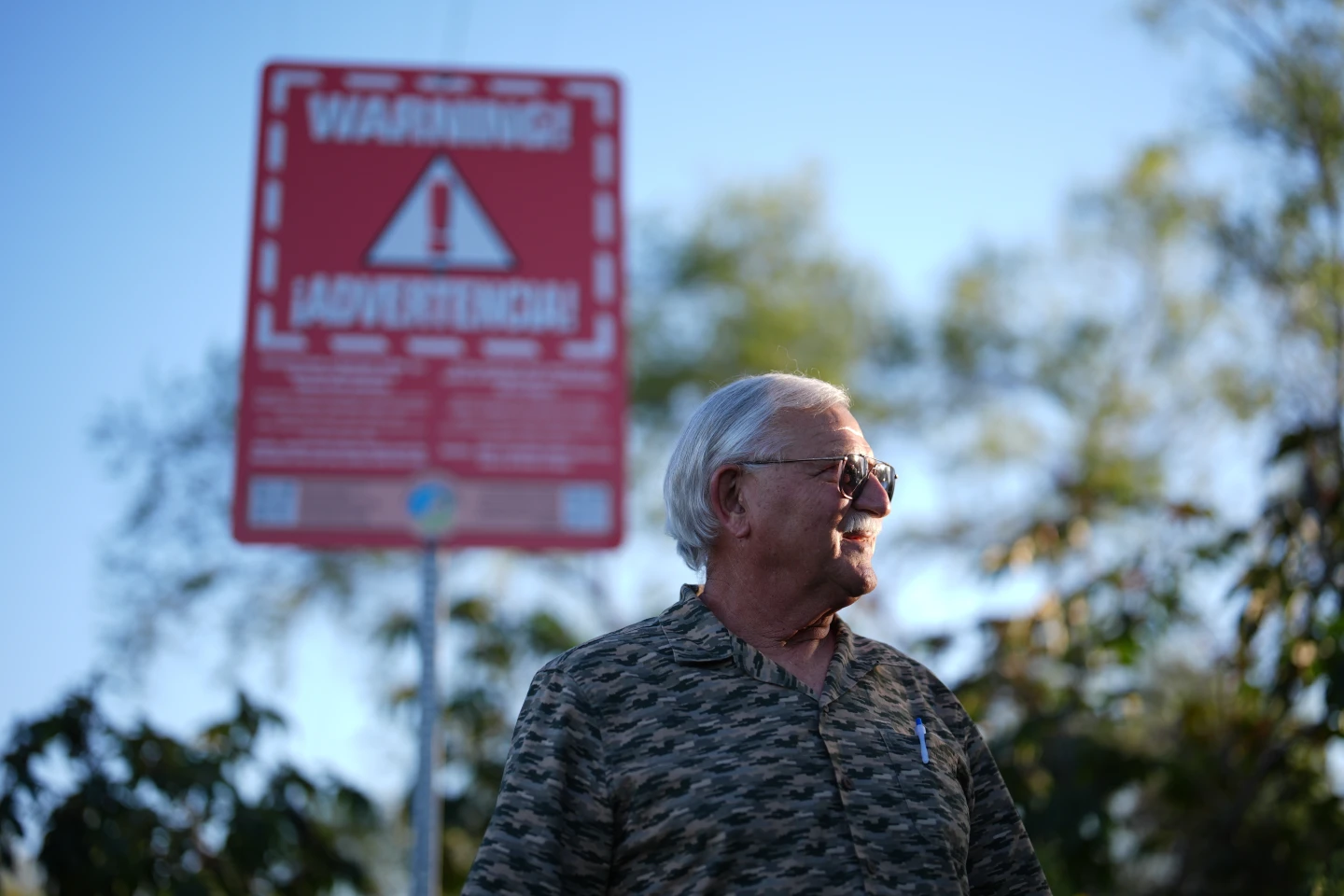
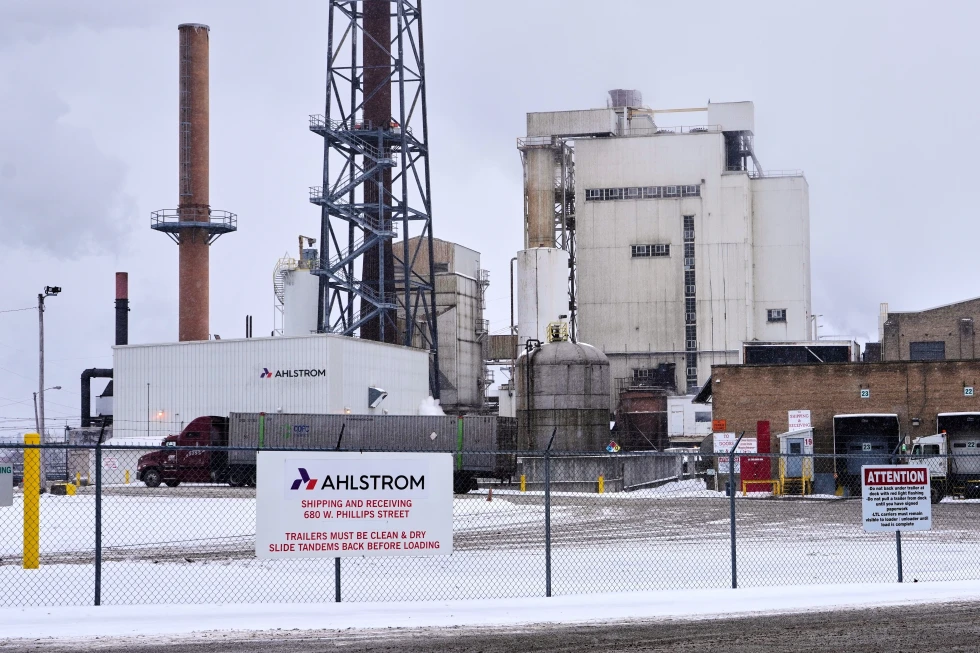
This regulatory patchwork impacts communities unevenly. In Georgia, where carpet manufacturers have historically contaminated land with PFAS, only residents within court-designated zones receive assistance, leaving others to confront the risks alone. Recently, in a small Wisconsin town, local well testing revealed contamination levels exceeding federal drinking water limits, sparking widespread alarm and ongoing investigations linked to industrial practices.
The disparities highlight a critical challenge for private well owners: while they often embrace the freedom from governmental oversight that comes with private water sources, this lack of regulation can result in significant public health risks when contamination occurs. As PFAS contamination incidents proliferate, the conversation around safeguarding private wells becomes increasingly urgent.