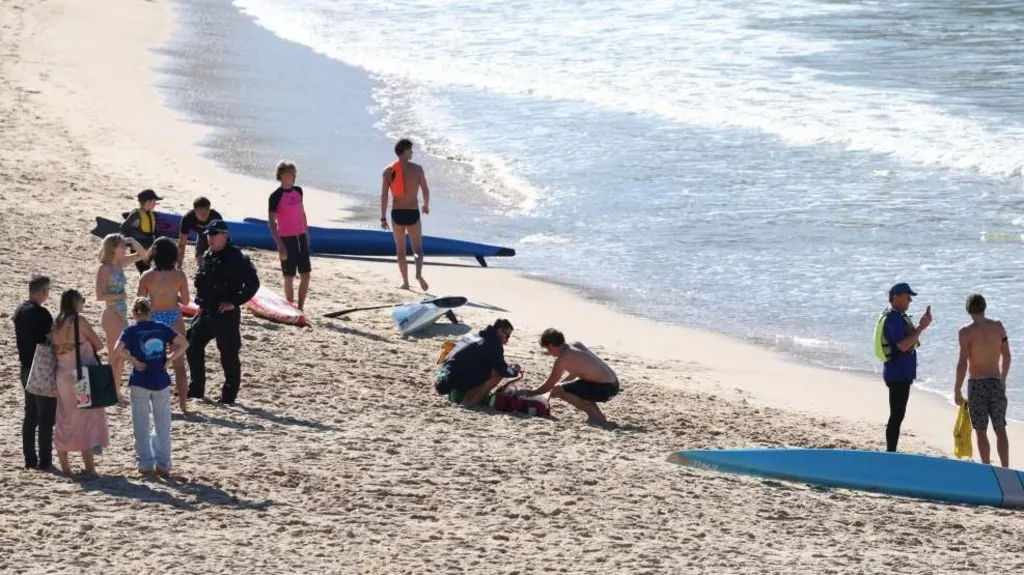
Recent events on Australia’s east coast have alarmed both locals and authorities, as four shark attacks unfolded within a mere 48 hours, three of which occurred within a 15-kilometer stretch. On January 18, a 12-year-old boy tragically lost his life after a shark attack in Sydney Harbour. The very next day witnessed further incidents at Dee Why Beach and Manly, where surfers encountered dangerous situations, prompting multiple beach closures.
Experts are highlighting that this rapid succession of shark bites is highly unusual. Chris Pepin-Neff, a researcher who specializes in marine environments, emphasized that such a close interval of incidents has not been seen in his twenty years of study. As fears escalated, calls for drastic actions such as shark culls resurfaced, although many experts caution against these measures, arguing for a more educated understanding of shark behavior.
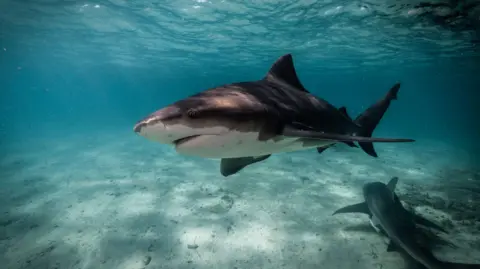
The surge in shark activity can be attributed largely to environmental conditions post-heavy rainfall, which significantly alters the habitats of shark species. Bull sharks, known to thrive in brackish waters, have been reported in increased numbers along the coast, drawn closer by stimuli in the water such as nutrients flushed from land runoff. This phenomenon creates a 'perfect storm' for shark encounters, where food becomes abundant and sharks move nearer to human activities.
Statistics reveal that shark incidents in Australia have gradually risen over the past three decades, from an average of eight to ten annually in the 1990s, to mid-20s since the 2010s. However, that does not indicate a surge in aggression but rather an increase in interactions due to a larger coastal population and enhanced data collection methods, including the prevalence of water sports.
The conversation surrounding shark culls has also reignited. Experts argue that such measures do not effectively reduce the risk of shark attacks. Instead, they propose that understanding local marine ecology and avoiding swimming after heavy rainfall can aid in minimizing risks for beachgoers.
Ultimately, experts suggest that society needs to shift its perception of the ocean as inherently dangerous and instead familiarize itself with the dynamic nature of marine ecosystems. This would involve recognizing that while the ocean can be unpredictable, sharks are not the adversaries they are often portrayed to be.