In brief
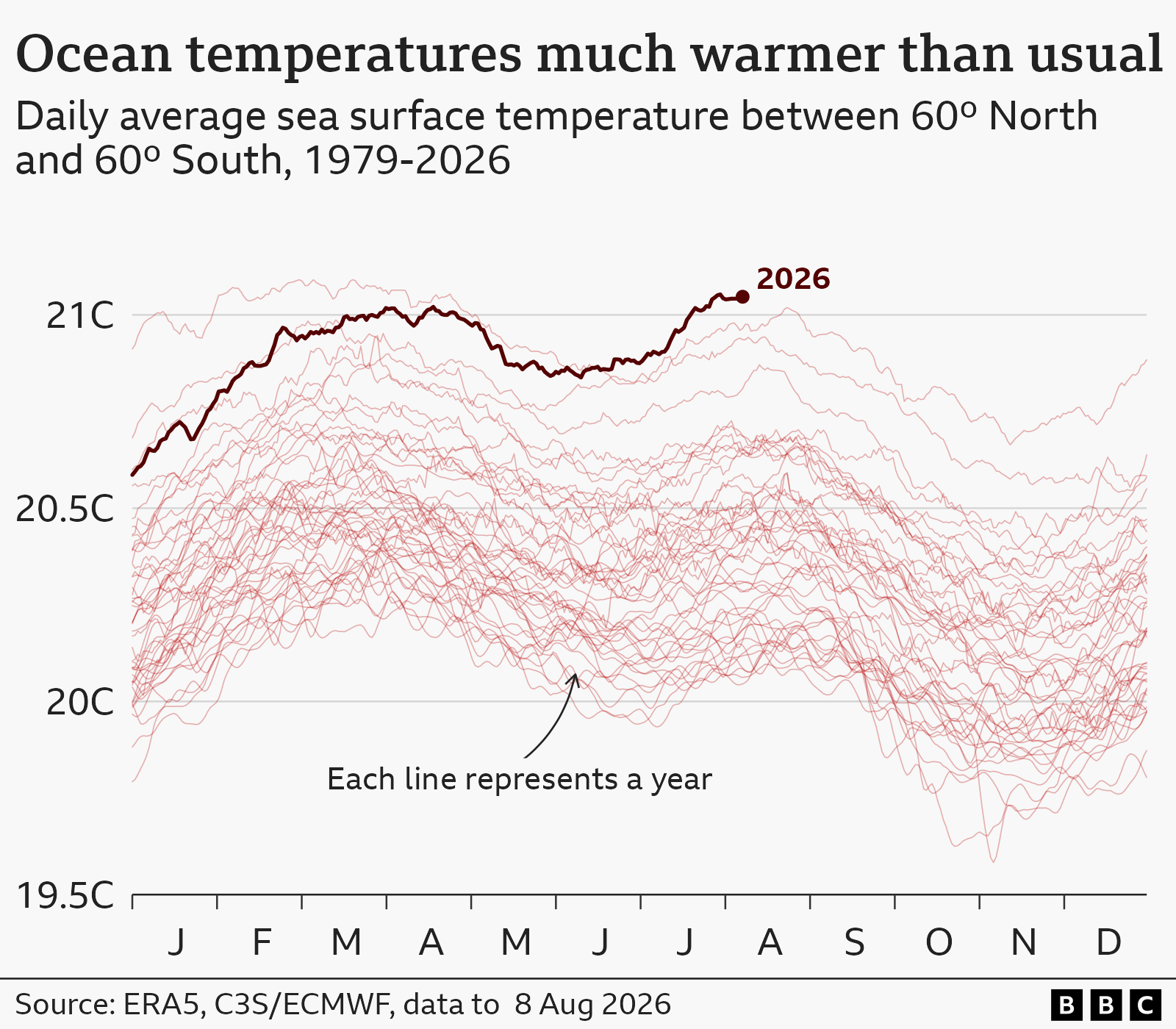
Global sea surface temperatures hit a new record in July, with a 20.96 °C average outside the polar regions. The rise is linked to a developing El Niño and ongoing human‑driven warming, which has intensified heatwaves, wildfires and sea‑level pressures across Europe. Western Europe experienced its hottest June and July, with prolonged dry spells fuelling massive fires and drought pressures on water supplies. Rising sea temperatures also worsen marine ecosystems, leading to unprecedented coral bleaching and kelp forest loss.
Global sea surface temperatures reached a record high in July, with the average measured at 20.96 °C outside polar latitudes—surpassing the previous 2023 mark.
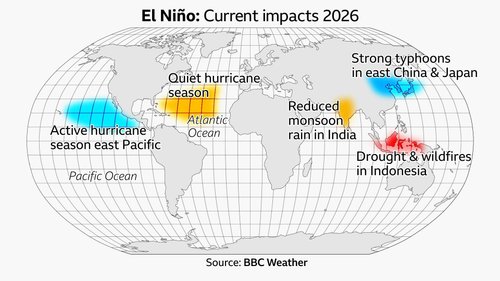
The rise is tied to a developing El Niño and the continuing human‑driven warming that amplifies heatwaves, wildfires, and sea‑level pressures across Europe.
Western Europe saw its hottest June and July, with unprecedented heat and prolonged dry spells fuelling large wildfires and drought conditions that strain water supplies.
Sea temperature spikes also intensify tropical storms and push marine ecosystems—from coral bleaching to kelp forest loss—into unprecedented distress.