In brief
Russia’s cash in circulation surged by 1.56 trillion roubles ($20bn) this year, the largest rise since the Covid‑19 pandemic, as a combination of security‑driven mobile‑internet outages, a growing VAT threshold and a sluggish economy push households and small businesses toward cash payments. The Kremlin’s attempt to curb shadow‑economy activity has been undermined by free‑moving cash, making tax collection harder while the war pushes the state budget deficit wider.
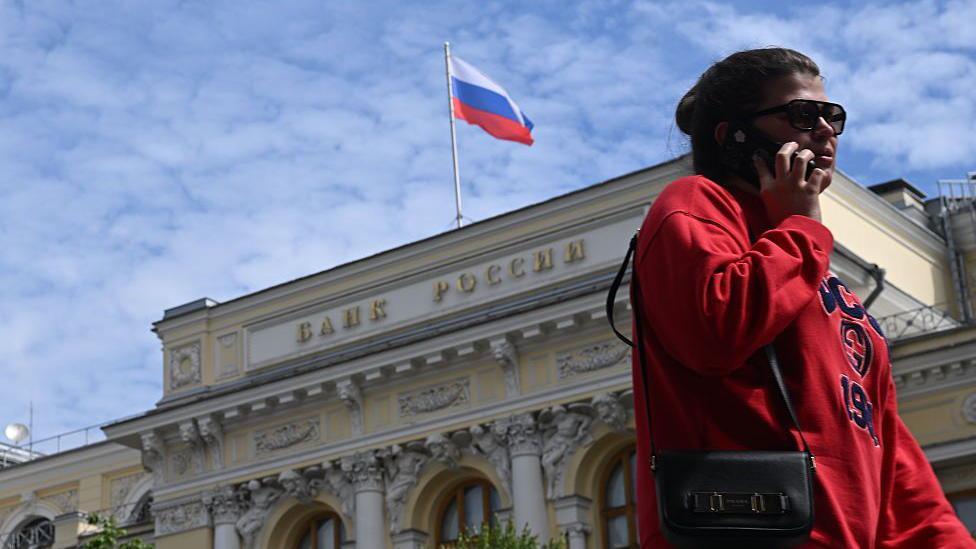
Since January, the Russian Central Bank reports a 1.56 trillion‑rouble gain in cash in circulation, equating to roughly $20 billion. This is the most pronounced increase over a comparable period since the COVID‑19 pandemic, a surge that comes as the government tightens navigation on mobile‑internet networks in a bid to counter drone strikes.
Short‑term (550 billion roubles) withdrawals in May, including 200 billion being taken from fixed‑term deposits, suggest people are moving money from bank accounts into hand‑held cash. A 10% interest rate on a one‑year fixed deposit at Russia’s largest lender, Sberbank, was unlike the almost-instant return many now store.
“People want to keep a sense of control,” said a Moscow resident who kept her voice anonymous. “If the network goes down, having cash means I can still purchase basics.” The sentiment echoes statements from shoppers in smaller towns such as Pskov, where local sellers have reported a steady churn of store closures and a renegotiation of payment methods toward cash to reduce VAT‑linked outlays.
The Kremlin has responded with a 2% hike in Value‑Added Tax in January and lowered the threshold for small and medium‑sized enterprises (SMEs). The policy, intended to raise revenue amid a 0.4% growth forecast for 2026 and a widening budget deficit, may have inadvertently pushed more businesses to the informal “grey” market. A May assessment by Opora Russia, the nation’s largest SME association, noted that six per cent of entrepreneurs were engaging in cash‑only schemes to skirt the tax system.
The Central Bank’s data reveal that a sizable fraction of this cash remains out of the formal banking channels: people are unwilling to place it back into ATMs or self‑service terminals. Bank officials, including the chief financial officer of Sberbank, Taras Skvortsov, have warned of “serious signs” that wages and services are increasingly cash‑paid, leaving little trace in state‑registered taxes.
Amid an escalating war with Ukraine, Russia’s oil and gas sector, a quarter of the state’s revenue, has enjoyed a price uptick stemming from the Iran conflict. However, the broader economy remains strained, with the state facing a tightening fiscal room and the need for heightened revenue collections that cash withdrawals undermine.
Shadow‑economy mitigation has been a headline objective for the Kremlin; yet the state’s counter‑terror operations, particularly mobile‑internet shutdowns, appear to undermine tax‑collection ambitions. The long‑standing Soviet practice of keeping money “under the mattress” is re‑emerging in the face of high deposit yields and unsteady public confidence.