Scientists Spot 5‑Million‑Year‑Old Whale Graveyard Beneath Indian Ocean
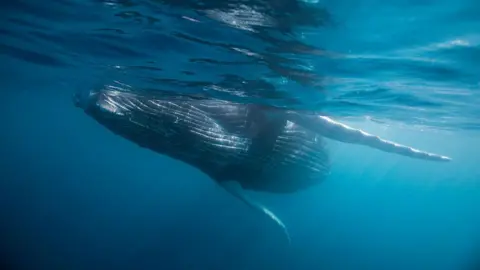
An enormous, 1,200‑kilometre long burial site of whale carcasses was uncovered beneath the south‑eastern Indian Ocean. The site lies 7 km below the sea surface, within the Diamantina fracture zone—a network of ridges and trenches that shape the deep‑sea floor.
Scientists from China, Italy and New Zealand conducted 32 dives, sampling 485 whale‑fall sites. The remains, some dating back 5.3 million years, included the 5‑metre Antarctic minke whale skeleton and the extinct beaked whale Pterocetus benguelae, among others. A new species, Pterocetus diamantinae, was named after the discovery site.
The burial is not just a fossil cache; the surrounding trench hosts living organisms such as jellyfish, worms and crustaceans that thrive on the slow decay of the carcasses. These communities may be new to science, according to the research team. A Nature article Nature highlights how the site’s size, age and depth exceed previous expectations.
Dr Xiaotong Peng, a lead author, remarked that the “necropolis of this scale was completely unexpected.” The discovery highlights the hidden biodiversity of the deep ocean and may offer clues about carbon sequestration and ancient marine life cycles.
The find also draws attention to the fragility of deep‑sea ecosystems amid growing interests in deep‑sea mining. While the site is currently inaccessible, it is likely to yield more surprises in future expeditions.
The research demonstrates how modern technology—submersibles and detailed surveys—can illuminate the planet’s most remote habitats, providing a bridge between paleontology and contemporary marine biology.