Severe Missile Assault on Ukraine Leaves Thousands Without Heating Amid Freezing Temperatures
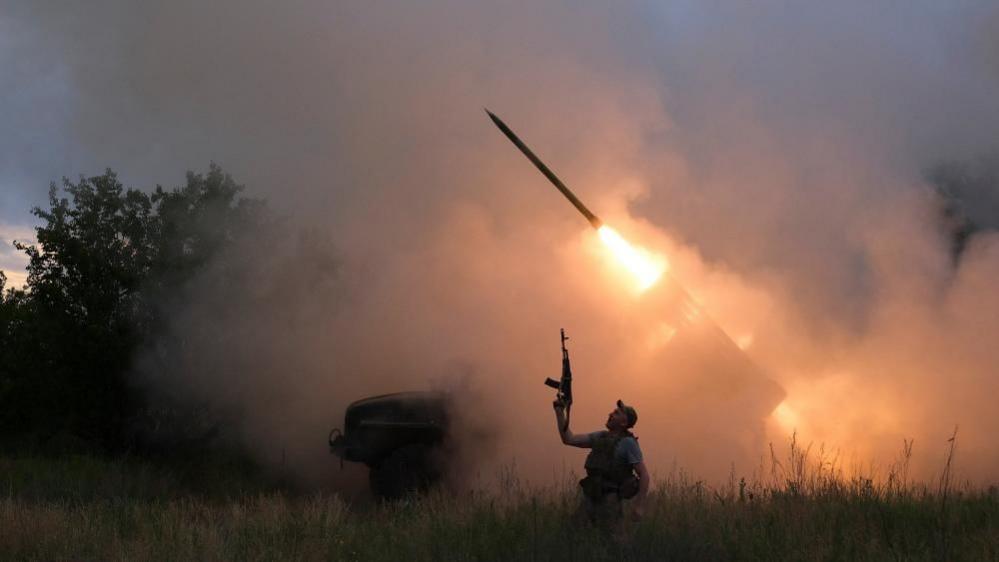
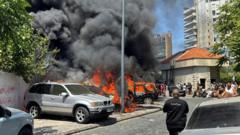
In a significant escalation of the ongoing conflict, Ukraine has faced an unprecedented strike from Russia, launching a record number of missiles and drones targeting the nation’s energy infrastructure. This attack coincided with a drop in temperatures to -20C, resulting in over 1,000 residential towers in Kyiv losing heating, while power plants across the country were severely impacted.
President Volodymyr Zelensky condemned the strikes, stating, Russia is choosing terror and escalation instead of pursuing diplomatic resolutions. The missile attacks have been recognized as the most powerful strike so far this year, according to DTEK, a private energy company, following a so-called energy truce that had recently expired.
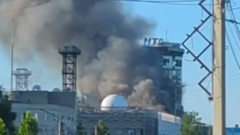
Reports indicate that missiles damaged power installations in critical areas including Kyiv and Dnipro, with significant destruction in Kharkiv. Amid these frigid conditions, residents have been forced to seek shelter in metro stations and schools equipped with generators, struggling to keep warm.
As the military conflict continues to escalate, Zelensky is urging Ukraine’s allies to apply maximum pressure on Moscow. He emphasized the need for timely delivery of missile systems to bolster air defenses, noting that Ukraine currently faces shortages in its capabilities to intercept incoming threats.
In an official response, NATO Secretary-General Mark Rutte acknowledged the urgent need for member states to supply Ukraine with more missiles, confirming support for Ukraine’s defense amidst ongoing peace negotiations with Russia.
While NATO and international allies advocate for peace, the overnight assaults have demonstrated a clear divergence in Russia’s strategy, with Zelensky noting the attacks did not indicate any serious intent for ceasefire negotiations. Alongside the destructive missile strikes, the humanitarian impact is dire, with locals facing not only freezing temperatures but also the psychological toll of ongoing conflict.