The Black Sea is littered with deadly weapons. But no-one knows how many – or where they are.
'When we approach it, we should be quiet, we should be slow – and we should be very accurate,' says Vitalii, wiggling his hand in a snake-like motion, as he describes swimming through dark waters towards the explosive devices resting on the sea floor.
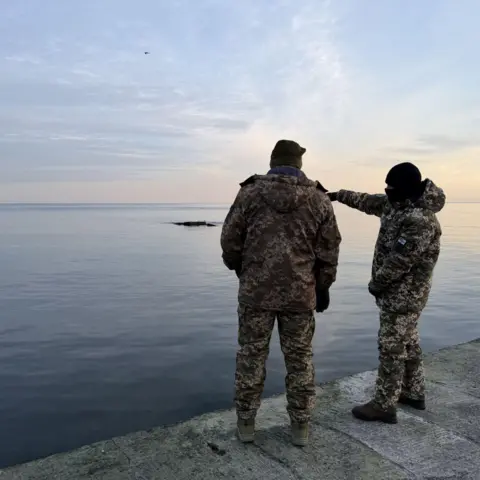
The tall, softly spoken 31-year-old Ukrainian Navy diver is part of a team of 20 tasked with de-mining the parts of the Black Sea still under Ukraine's control.
Mines are some of the most insidious and long-lasting legacies of war. They remain active, and deadly, for decades; the ones at sea present additional risks, as they can drift with currents and storms.
The sea mines laid by Moscow at the start of the full-scale invasion – after Russian ships approached Odesa – are no different. And the danger is not theoretical: last summer, three swimmers were killed by mines off the Odesa coast.
The commander of the navy's mine countermeasures group, known by the callsign Fox, estimates thousands of sea mines remain operational. However, they are not the only hazards; missiles, artillery shells, bombs, and land mines washed downstream from the 2022 Kakhovka dam explosion also pose significant threats.
'If we speak about unexploded ordnance in general - missiles, artillery shells, aerial bombs - the total number will be many times higher,' Fox says.
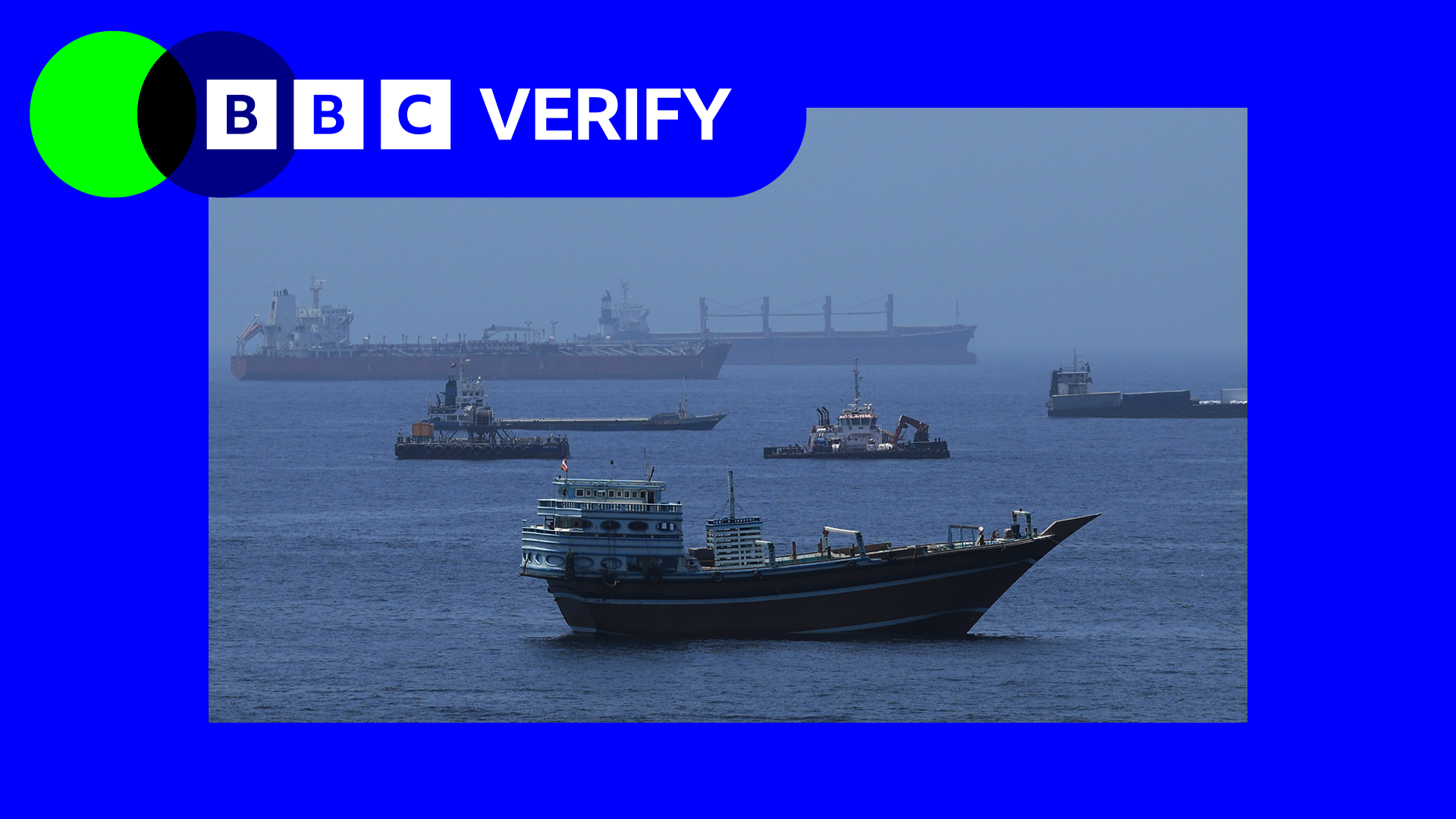
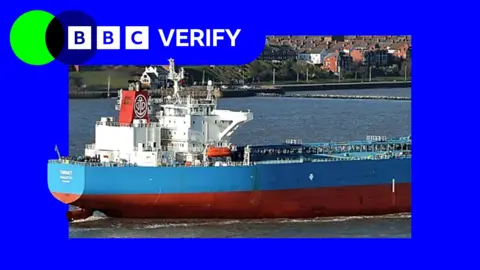
Despite the scale of the contamination, sea traffic has not come to a halt, with numerous merchant ships still navigating the crucial maritime export corridor out of Ukraine.
Ukraine's insistence on keeping the Black Sea ports operational speaks to the economic pressures it faces. Maritime exports constitute more than two-thirds of Ukraine's agricultural shipments, potentially amounting to around $9 billion in revenues that finance its wartime economy.
As operations continue, divers like Vitalii carry on with painstaking caution, moving towards mines while avoiding detonation triggered by their presence. The process is time-consuming, taking up to two days to neutralize one mine, conducted under the watchful threats of ongoing combat operations.
In the broader context of military engagements, there appears to be a stalemate at sea, where the rapid deployment of forces and strategies continues to evolve, rendering traditional military tactics less effective.
Vitalii and his team embody the very real struggle to achieve maritime safety amidst the ongoing conflict. Their efforts, while fraught with danger, are crucial in ensuring continuity in Ukraine's export capabilities, vital to its economy in challenging circumstances.
'When we approach it, we should be quiet, we should be slow – and we should be very accurate,' says Vitalii, wiggling his hand in a snake-like motion, as he describes swimming through dark waters towards the explosive devices resting on the sea floor.
The tall, softly spoken 31-year-old Ukrainian Navy diver is part of a team of 20 tasked with de-mining the parts of the Black Sea still under Ukraine's control.
Mines are some of the most insidious and long-lasting legacies of war. They remain active, and deadly, for decades; the ones at sea present additional risks, as they can drift with currents and storms.
The sea mines laid by Moscow at the start of the full-scale invasion – after Russian ships approached Odesa – are no different. And the danger is not theoretical: last summer, three swimmers were killed by mines off the Odesa coast.
The commander of the navy's mine countermeasures group, known by the callsign Fox, estimates thousands of sea mines remain operational. However, they are not the only hazards; missiles, artillery shells, bombs, and land mines washed downstream from the 2022 Kakhovka dam explosion also pose significant threats.
'If we speak about unexploded ordnance in general - missiles, artillery shells, aerial bombs - the total number will be many times higher,' Fox says.
Despite the scale of the contamination, sea traffic has not come to a halt, with numerous merchant ships still navigating the crucial maritime export corridor out of Ukraine.
Ukraine's insistence on keeping the Black Sea ports operational speaks to the economic pressures it faces. Maritime exports constitute more than two-thirds of Ukraine's agricultural shipments, potentially amounting to around $9 billion in revenues that finance its wartime economy.
As operations continue, divers like Vitalii carry on with painstaking caution, moving towards mines while avoiding detonation triggered by their presence. The process is time-consuming, taking up to two days to neutralize one mine, conducted under the watchful threats of ongoing combat operations.
In the broader context of military engagements, there appears to be a stalemate at sea, where the rapid deployment of forces and strategies continues to evolve, rendering traditional military tactics less effective.
Vitalii and his team embody the very real struggle to achieve maritime safety amidst the ongoing conflict. Their efforts, while fraught with danger, are crucial in ensuring continuity in Ukraine's export capabilities, vital to its economy in challenging circumstances.