The Spanish Congress delivered a clear verdict against the government of Pedro Sánchez by voting down two emergency decree‑laws on housing, a defeat that could reshape the political landscape before the next scheduled elections.
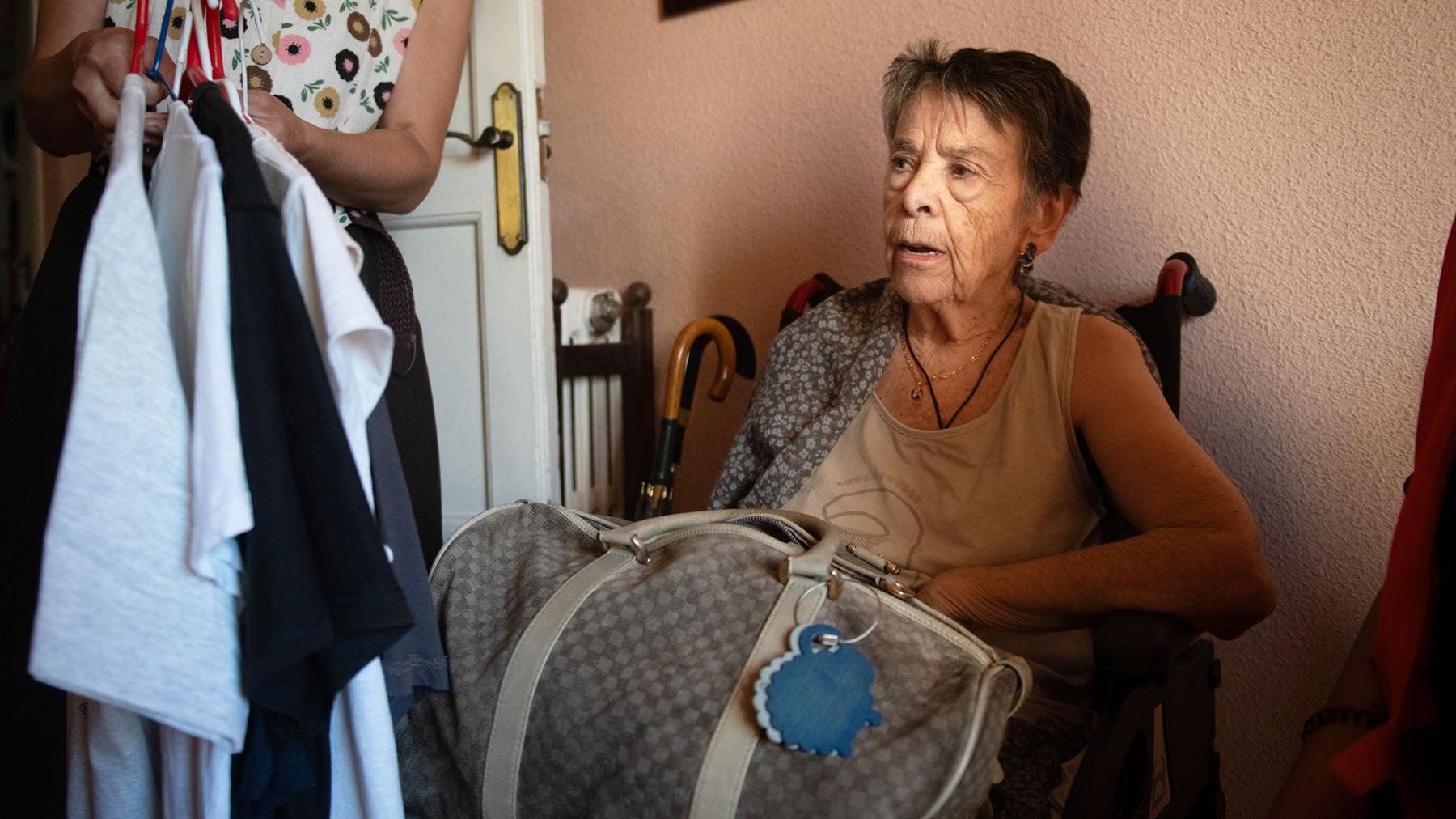
The decrees were drafted in response to the eviction of Maricarmen Abascal, an 87‑year‑old pensioner who could not afford a steep rent rise imposed by the owner of her Madrid flat. Her forced removal sparked massive street demonstrations across the country and renewed pressure on lawmakers to protect tenants.
The first decree sought to suspend evictions of vulnerable renters until 2030, extend lease terms, impose additional taxes on tourist‑style apartments, and restrict purchases of residential property by “vulture” investment funds. The second decree, more controversial, included an automatic renewal of rental contracts, a demand that many left‑wing activists had championed.
Voting outcomes mirrored public discontent: the first decree failed 178 to 172 and the second 184 to 166. Opposition parties – the People’s Party and Vox – had already pledged to oppose both measures, while the coalition’s nationalist partners in Catalonia and the Basque Country signalled resistance. Supporters of the decrees accused the opposition of enabling private profiteering at renters’ expense.
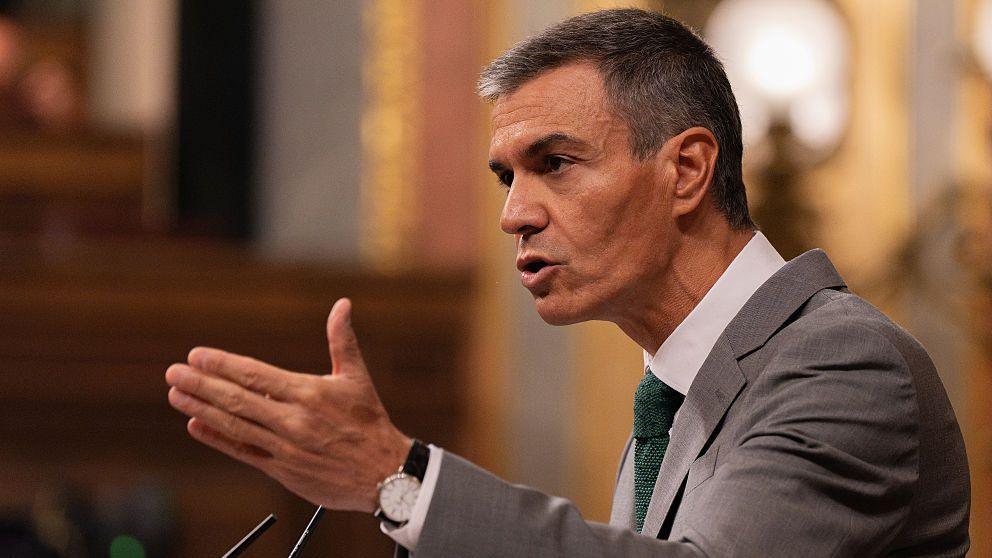
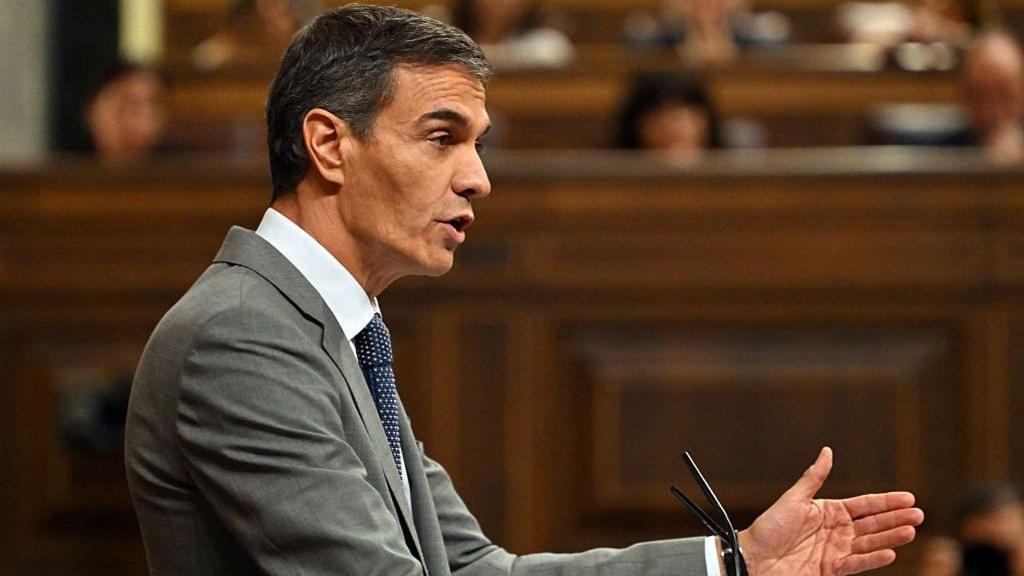
Prime Minister Sánchez, a socialist, was forced to appeal to members of his own party, urging them to see the decrees as essential for maintaining social order. His plea contrasted sharply with the remarks of opposition leaders, who criticized the bills as hastily drafted and insufficient to combat speculation or forced evictions.
The defeat has amplified speculation that Sánchez may call a snap election. Although the next general election is not due until the following summer, the current majority gap and ongoing scandals within the governing coalition may prompt an early showdown.
Meanwhile, social movements continue to mobilise, with tent protests in central Madrid’s squares paused but organisers pledging to spread their campaign to other neighbourhoods. Calls for a general strike over housing have also surfaced, underscoring the depth of public frustration.
The rejection of the decrees highlights the fragile balance between property owners and renters in Spain, a country where housing prices have surged in recent years. As the political debate intensifies, the outcome of any future elections may hinge on how well parties address the urgent needs of millions who rely on affordable, secure housing.