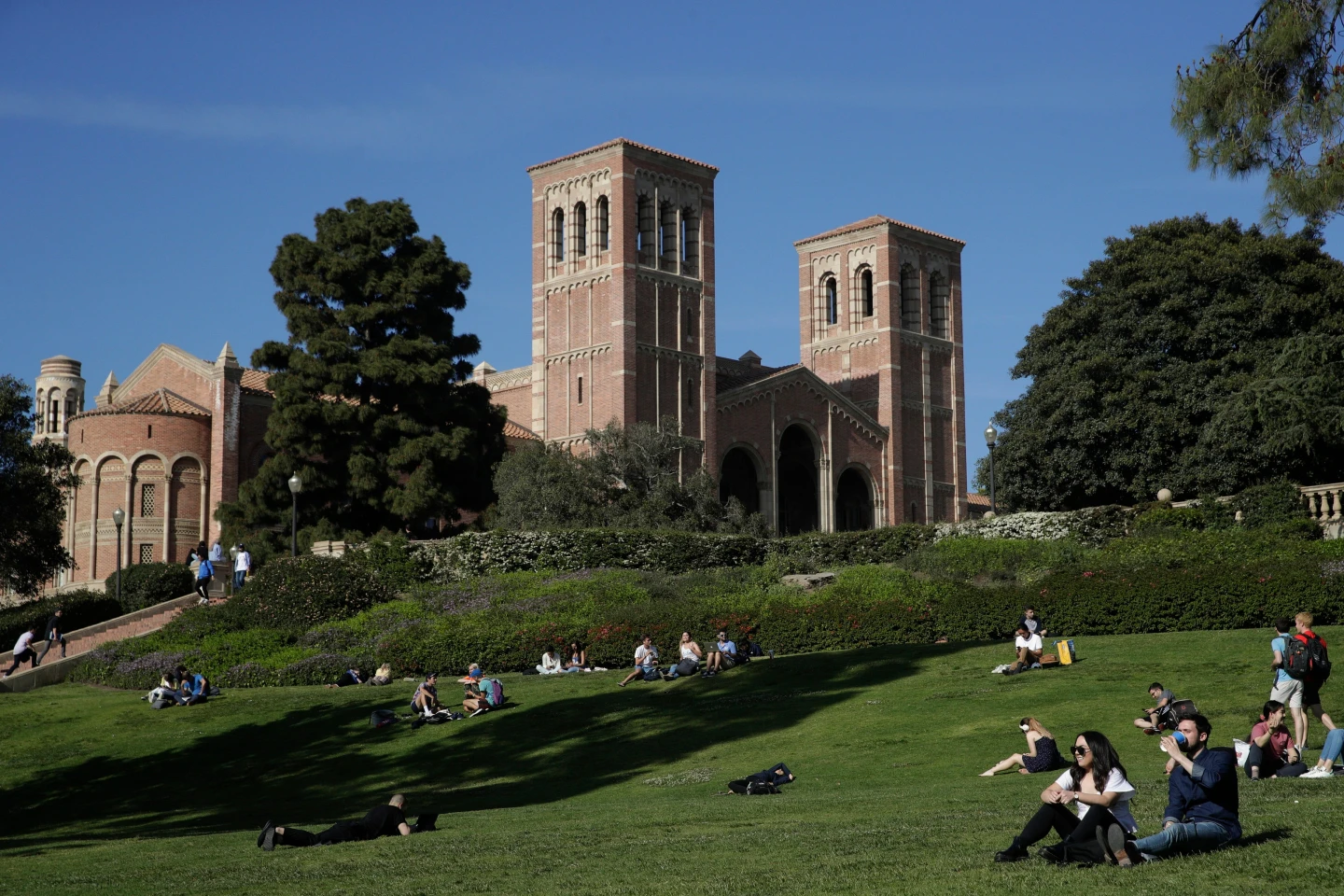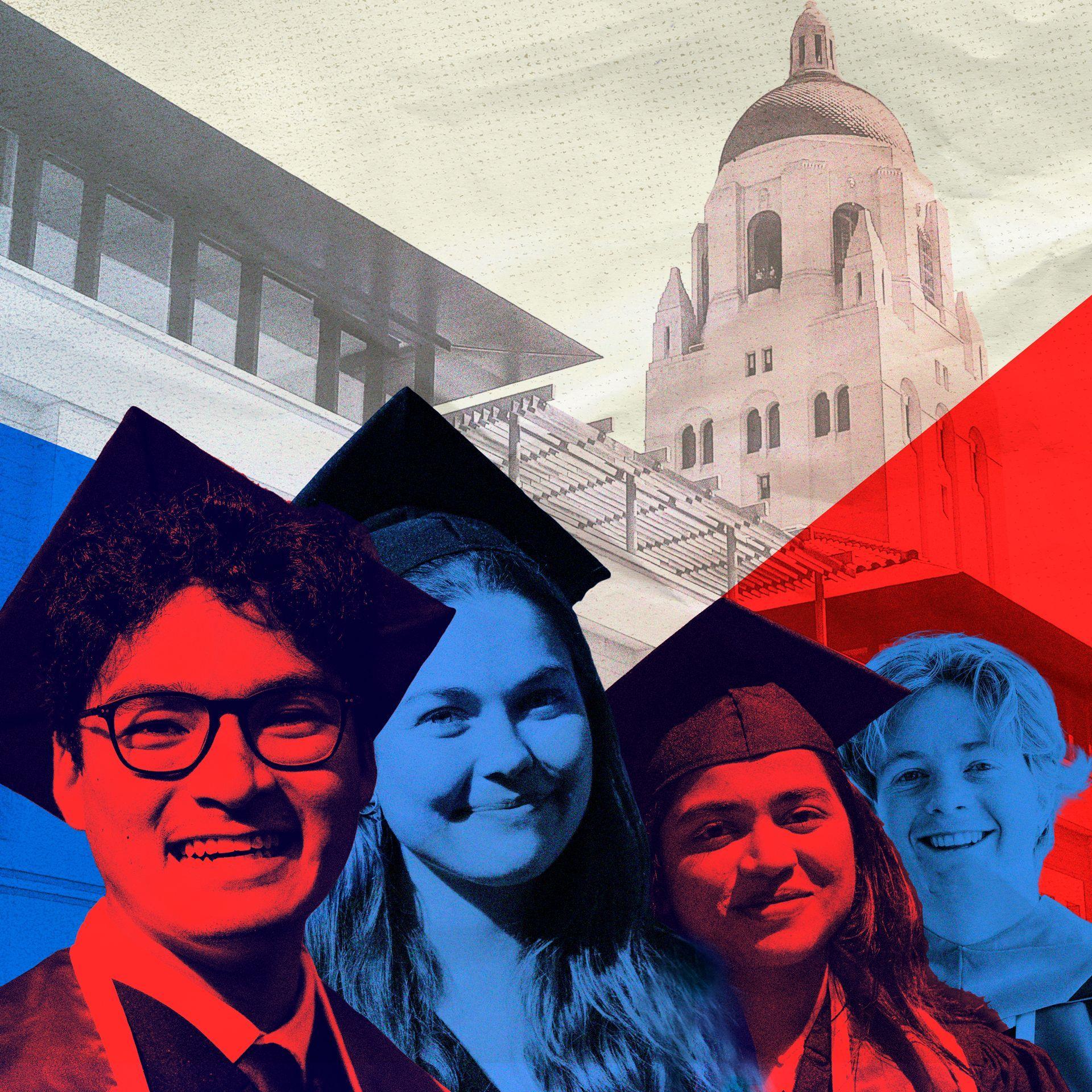
In a moment that illustrates the dual-edged nature of artificial intelligence, this year’s Stanford graduates gathered to celebrate the completion of their studies, only to find the topic of AI at the centre of split views.
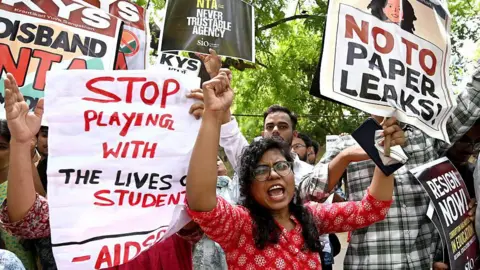
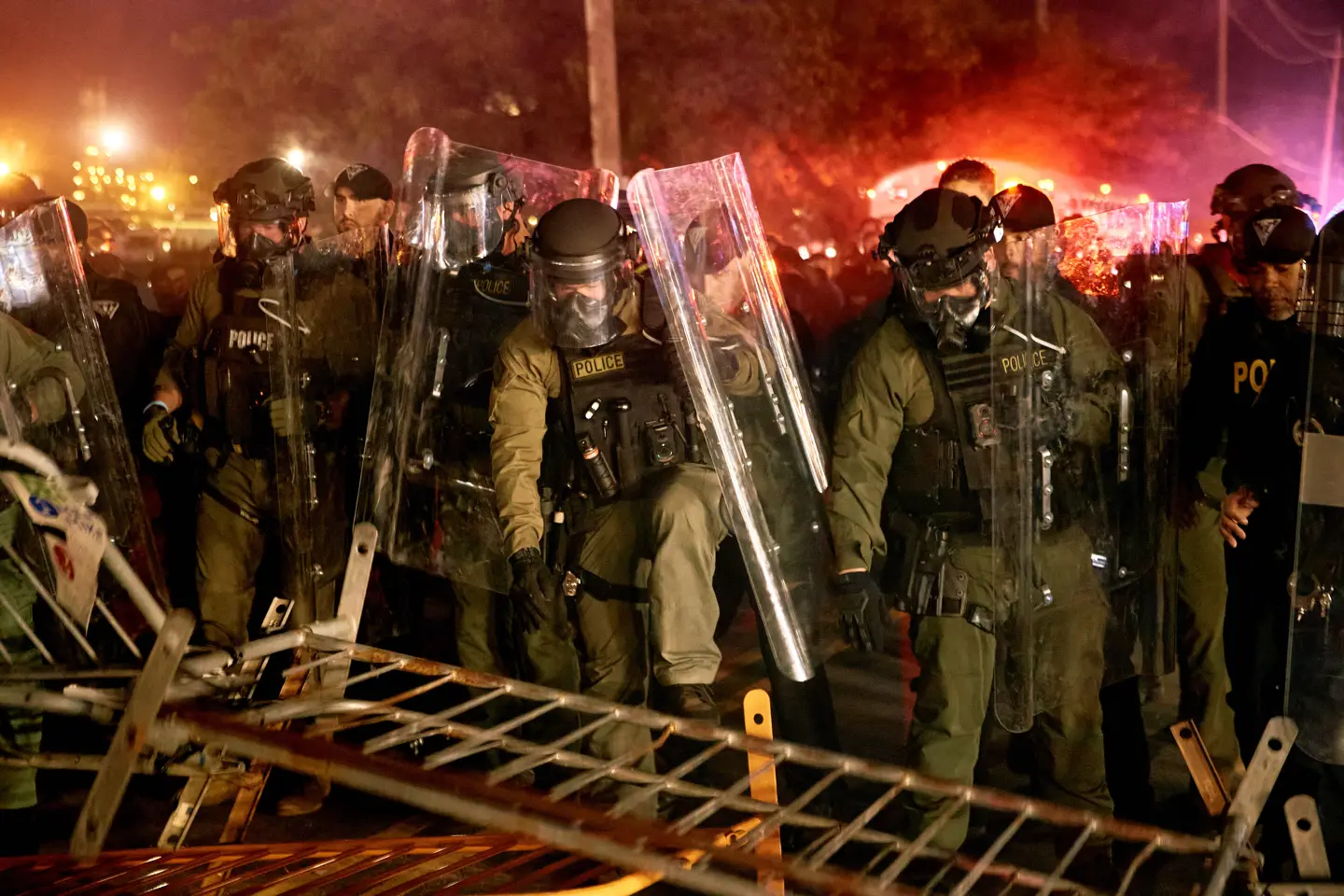
During the commencement address, the university’s own luminary, Google chief‑executive Sundar Pichai, played a cautious opening—he mentioned that advisers had warned him not to dwell too much on the subject. The remark, however, did not prevent a handful of students from walking out. They left wearing signs that challenged Google’s participation in an Israeli military contract and referenced U.S. immigration enforcement agencies. The walk‑out was staged in the middle of the ceremony, echoing protests that campus‑wide students had staged in 2024 and 2025.
Subsequent conversations outside the stadium highlighted two very different attitudes towards AI. For Ifdita Hasan, a computer‑science major who will pursue a master’s immediately after graduation, AI feels “optimistic” and a tool to deepen understanding of the universe. “It is a technology that should evolve with people’s learning,” she said. Yet she acknowledges that early scepticism is expected as with the internet: it has to be approached with caution.
A different cohort, represented by Earth‑systems scholar Atash Heil, worries that the technology could steer a future that feels inhospitable for human creativity. He noted the unsettling speed with which AI transformed the university’s classroom environment, with professors fearing that students over‑rely on technology for problem‑solving. “We can practice this in medical, environmental predictions, but the job market still risks being re‑defined by automation,” he added.
Job‑market data fits the growing unease. A Federal Reserve Bank of New York analysis shows that recent graduates are finding it harder to land employment, and a Stanford study released last month identified declining prospects in roles that are most susceptible toAI. Unresolved questions remain about how companies will integrate AI ethically and how many people will still need traditional skills to thrive.
Against this backdrop the column of opinions at Stanford is becoming increasingly multifaceted. A computer‑science teaching assistant, Lucy Zimmerman, noted that instructors are returning to stricter examination protocols to ward off cheating with AI tools, while also underwriting optimism about her upcoming career in software engineering. She champions the idea that AI can enhance “human ingenuity” in the tech start‑up ecosystem in San Francisco.
Around the same time, psychology major Colbey Harlan used AI to kick‑start writing projects but voiced concerns about the environmental toll of data centres. He asks whether the pathway to progress can be moderated before it spirals out of control.
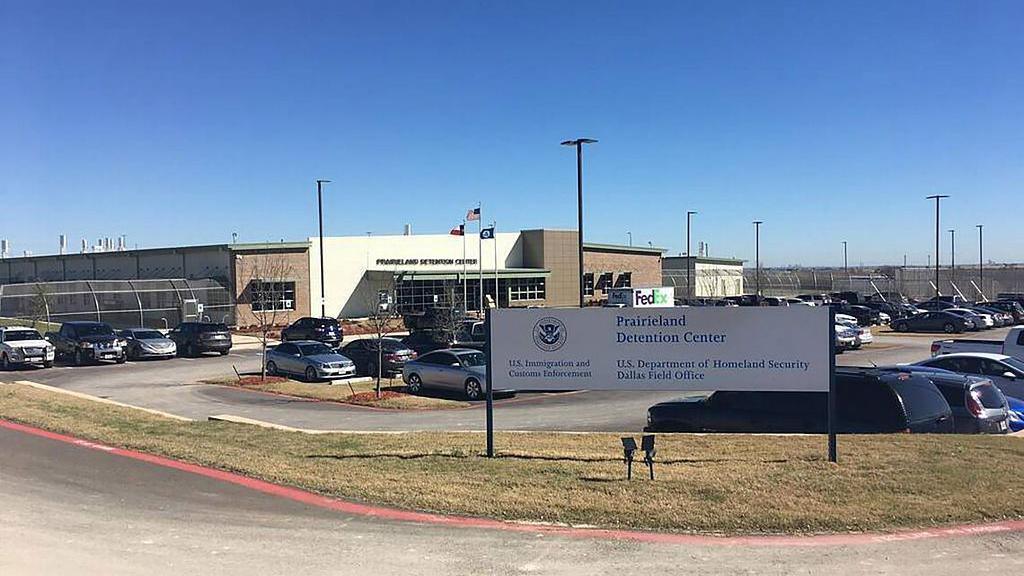
Even beyond campus, the protest sign “ICE spies with Google AI” underscores how AI’s reach extends far beyond the classroom—into governmental policy and military contracting, raising debates that span the political spectrum.
The coming years will likely honed the hard and soft benefits of AI: creating new career paths while also presenting a new social‑economic dilemma. Stanford’s 2026 batch embodies that conflict, guarding their vision of a brighter future against the uncertainties posed by an ever‑evolving technology.