In brief
In eastern Sudan’s city of El‑Fasher, a young mother named Amira survived captivity and raised a son who has no birth certificate or national number, preventing him from accessing basic services. The city’s siege by the paramilitary RSF left families in crisis, and many children born under such conditions cannot be registered due to missing paternal details. Humanitarian groups like Nada and the International Medical Corps provide limited support, yet systemic gaps in civil registry systems hinder legal recognition. The situation reflects broader challenges across Sudan, where war and collapsed administrative structures leave many children without identity and vulnerable to stigma and neglect.
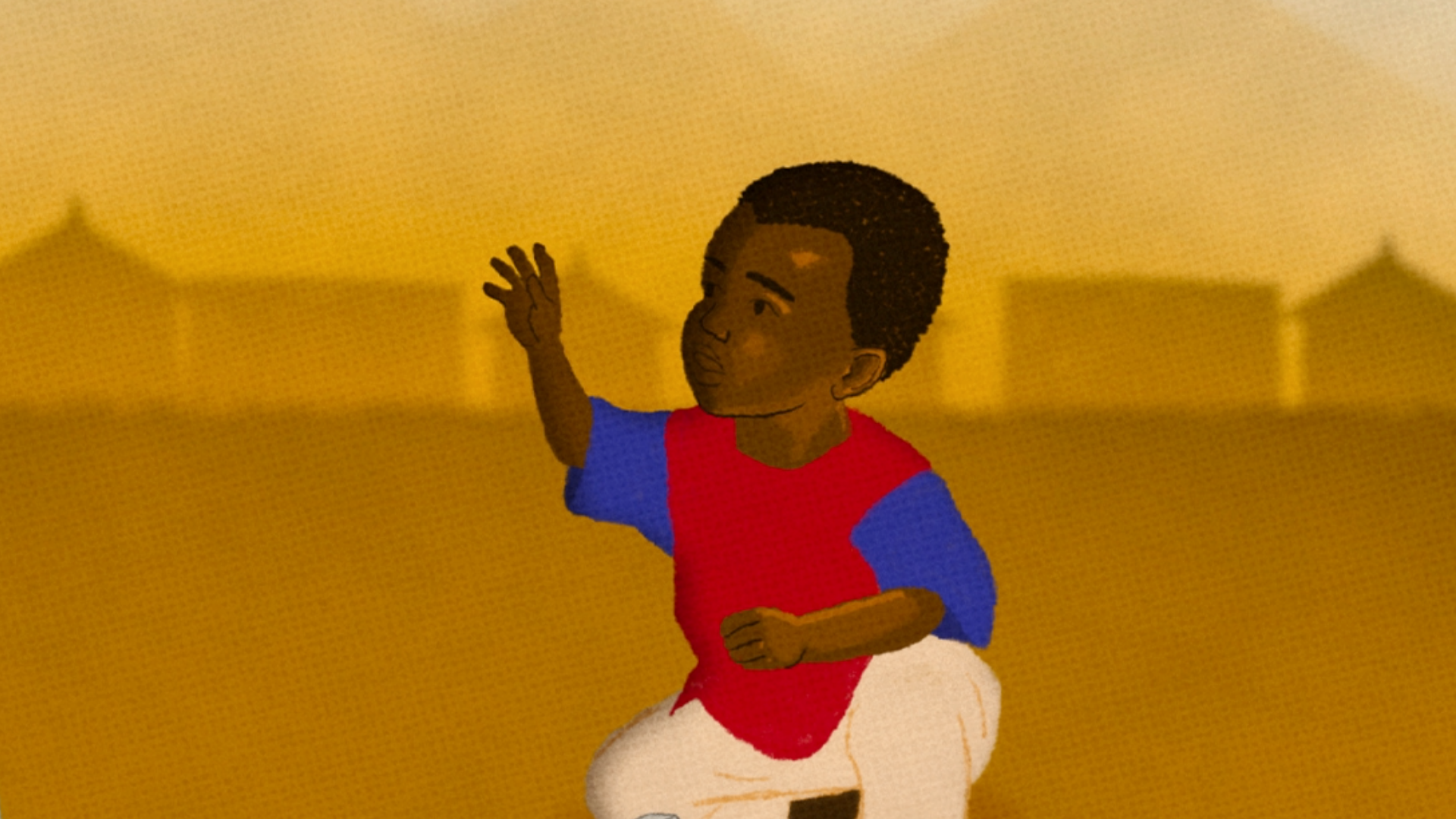
Amira, a 17‑year‑old mother from the eastern city of El‑Fasher, sits beside her newborn son and talks about their fragile future. “He has no father, no birth certificate, no national number,” she says, and the empty paperwork is a barrier to vaccines, school, and protection.
El‑Fasher fell under siege by the RSF in 2023. For two years the city was under bombardment and food shortages, forcing families like Amira’s to flee. While escaping, Amira was abducted by RSF men, held captive for two months, and raped. After her pregnancy and a period of illness, she was rescued by others and delivered to a hospital run by the International Medical Corps.
Humanitarian aid groups, including the Nada Al‑Azhar Foundation, helped Amira reunite with her family and sought official recognition for the child. However, without paternal details Amira cannot register the birth. The scarcity of identity documents denies the child access to health care, education and, eventually, the right to travel or hold official documents.
Abu Bakr Yousif Yaqoub, director of protection programmes at Nada, explains that the child’s case illustrates a common problem in Sudan. The Child Act of 2010 allows registration of children born outside marriage, but the process starts only when the mother reports an assault—something many families evade due to stigma and lack of guardianship.
Legal expert Majida Idris notes that the displacement of civil registry offices during the conflict leaves thousands of children unregistered. Reinstating these offices and enforcing legal frameworks are essential to guaranteeing every child’s right to an identity.
While Amira’s son remains in administrative limbo, the family remains grateful for the support received. Yet the story highlights a generation of children who could grow up without legal protection, a situation that demands urgent policy and humanitarian action to safeguard their futures.