In brief
In Alabama, Congressman Shomari Figures had secured million‑dollar support for a new civic centre and critical medical equipment in Tuskegee. His district, built on a 1965 Voting Rights Act provision, was recently overturned by the Supreme Court, reshaping the map into a predominantly white, Republican‑friendly territory. The change threatens federal aid, medical supplies and political representation for a city where poverty and lack of hospital services are high. Residents fear the loss of voting power and crucial community resources that were tied to the majority‑black district. A pivotal battle now awaits the November election, as Figures faces a seasoned Republican challenger on a map that may not favour his constituency.
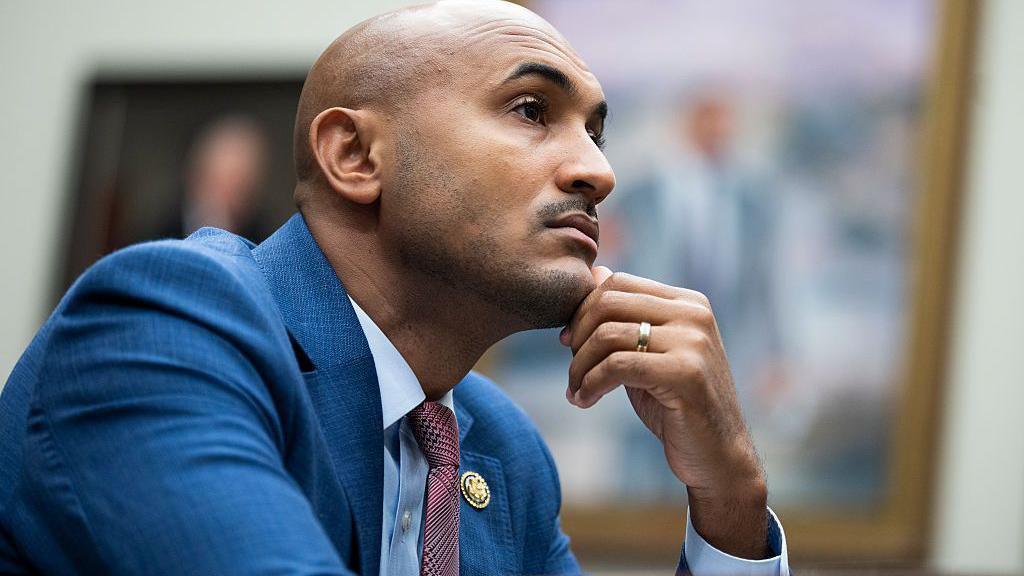
The election of Shomari Figures to the U.S. House made him the first black representative from Tuskegee in modern history. A day after taking office, he secured about one million dollars from the federal government for a new civic centre that would serve as a fallout shelter, police station and fire department in the small city.
Just a month later, the Supreme Court struck down a section of the 1965 Voting Rights Act that had protected a majority‑black district in the region. The new map drawn by Alabama’s legislature places millions of black voters between hostile boundaries, reducing the number of minority‑friendly seats in the state’s congressional delegation.
This ruling has far‑reaching consequences for Tuskegee. The city previously received federal funds for a new MRI machine in its only hospital, and the new map threatens to cut that funding in addition to jeopardising the voter influence that helped secure it.
For residents like De’Mari Benham, a 19‑year‑old student who survived a glass‑door injury, the federal backing that had once protected a community as inadequate as Tuskegee is suddenly uncertain. Stories of a lack of health facilities and financial hardship echo across the town as the map reforms the political landscape.
Figures now faces a Republican new challenger on the redrawn district two, which is now largely white, near Montgomery and in parts of the historically black South. The 2026 midterm election could determine whether the Alabama electorate keeps an African‑American‑led representative or returns to a more conservative voice.
Residents like Mayor Chris Lee stress that federal funding keeps essential services alive in Tuskegee. The Supreme Court decision threatens that support as the political grid shifts, potentially erasing a town’s ability to lobby for its needs.
While some Republicans argue the change is simply partisan, communities echo the words of civil‑rights activist Joe Reed: “It’s a big setback for black people.” The town’s future hangs on the ballots of a state that has long been at the frontline of the national debate over voting and representation.