Supreme Court Upholds Birthright Citizenship, Rejecting Trump’s Executive Order
In a 6‑to‑3 decision, the U.S. Supreme Court ruled that every child born in the United States is a citizen at birth, upholding the 14th Amendment’s language that “all persons born or naturalised, and subject to the jurisdiction thereof, are citizens of the United States.” The ruling rejected President Donald Trump’s executive order, which sought to deny citizenship for children of undocumented immigrants and certain temporary visitors.
Chief Justice John Roberts delivered the majority opinion, stating that the phrase “subject to the jurisdiction of this country” is interpreted as “subject to the jurisdiction of the United States” and applies to all free‑born persons. His view was backed by four other justices, while three—Clarence Thomas, Neil Gorsuch and Samuel Alito—issued a dissent, arguing the amendment was meant for freed slaves and should not automatically confer citizenship on everyone born in the U.S.
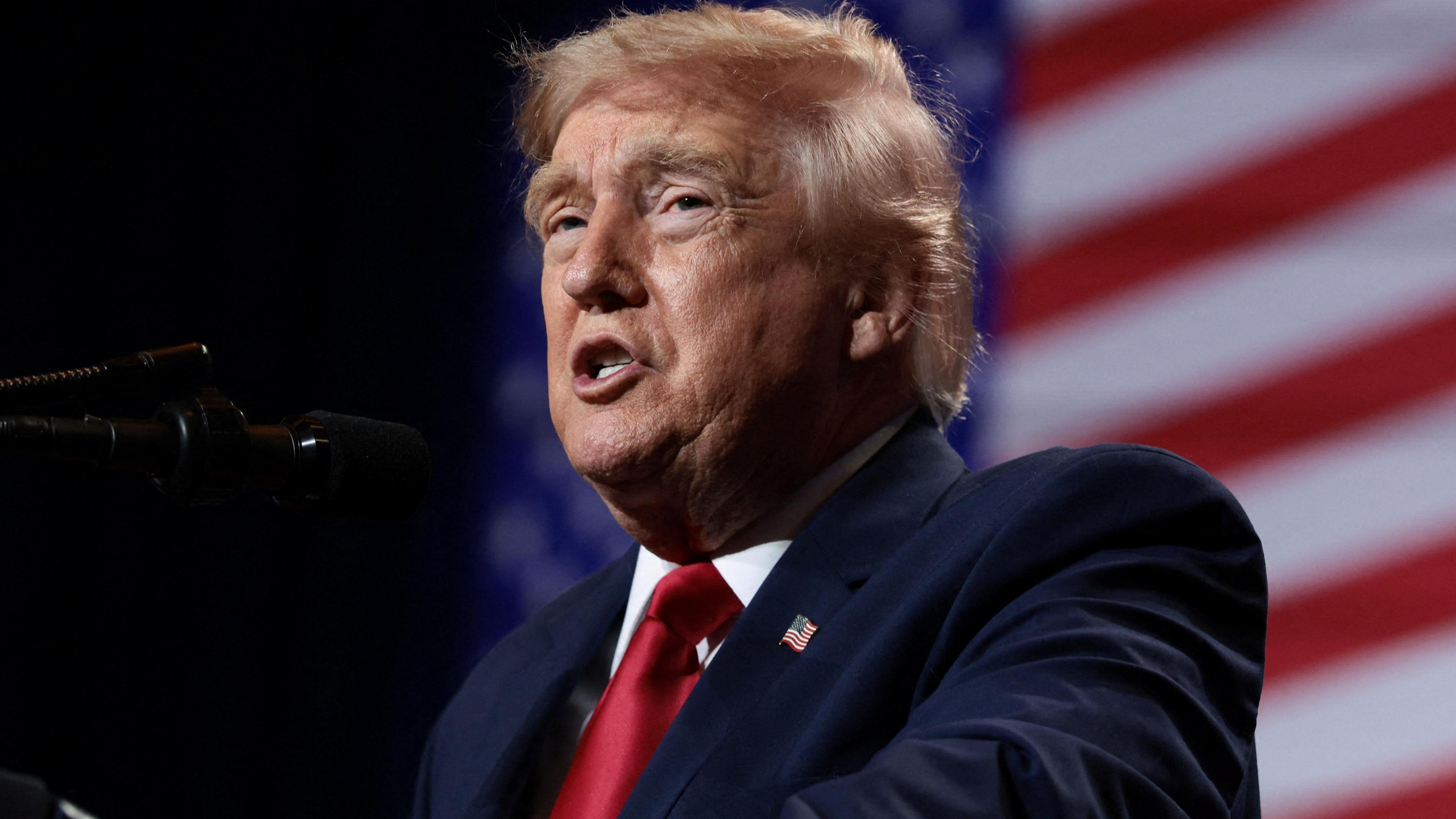
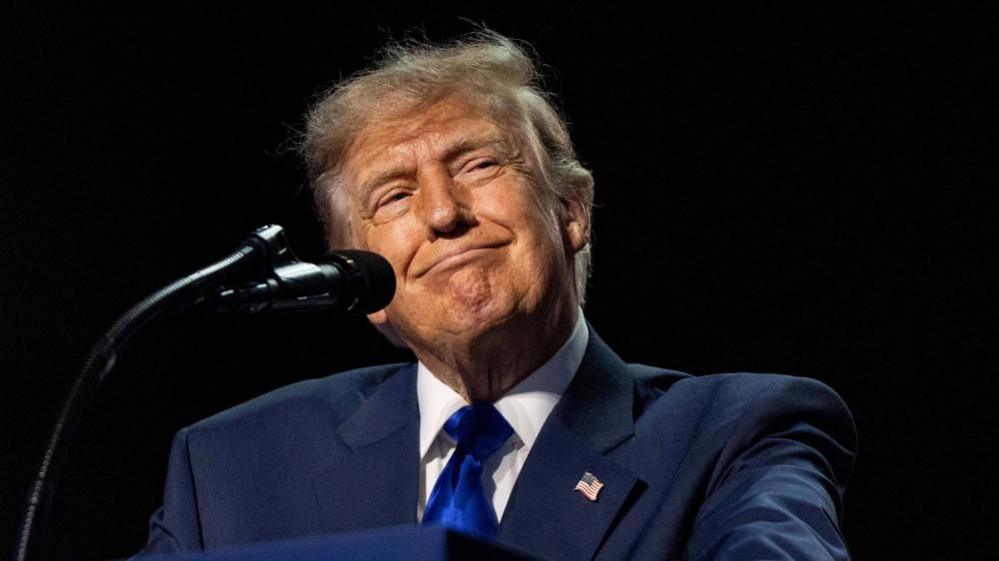
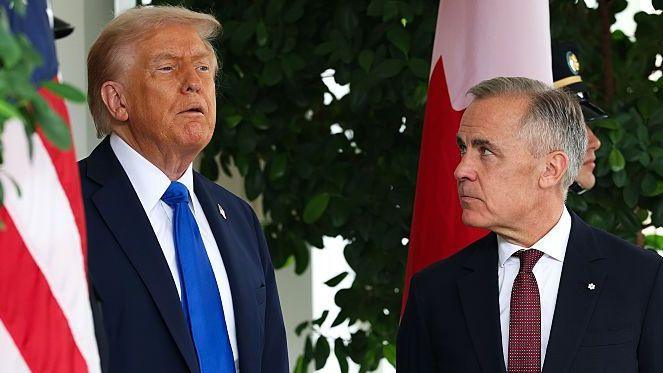
Trump condemned the decision as a “big loss” for his administration and vowed to continue fighting to end birthright citizenship through legislation. White House Chief of Staff Stephen Miller called the ruling “one of the most destructive and outrageous decisions” in Supreme Court history.
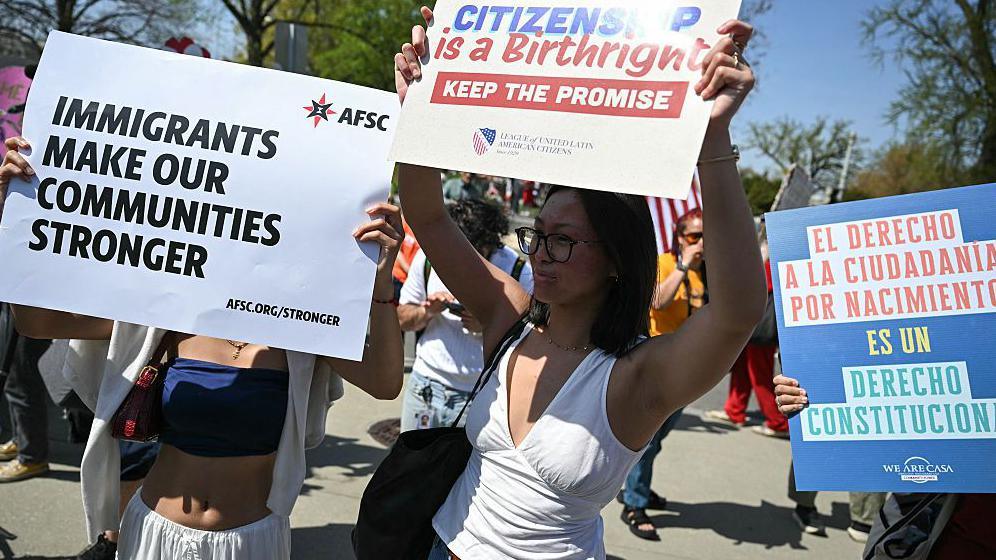
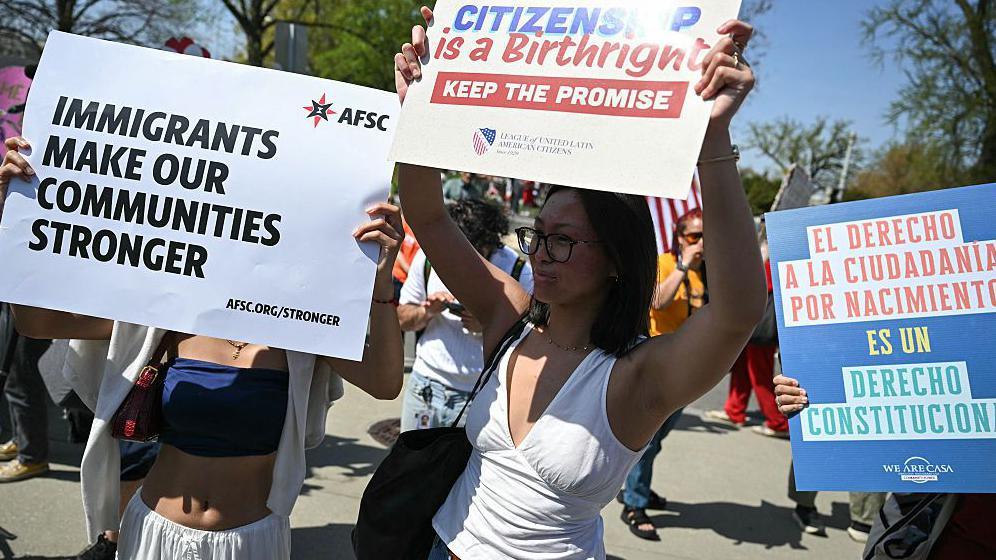
Civil‑rights groups welcomed the ruling. Representative Hakeem Jeffries said the Court “finally affirmed that all persons born in the United States are American citizens.” Lawyers’ Committee for Civil Rights Under Law attorney Dariely Rodriguez added that the decision “solidifies what we have known to be true for over a hundred years.”
The ruling has immediate implications for immigration policy and highlights the enduring debate over the balance between national sovereignty and constitutional guarantees. It marks a significant blow to Trump’s immigration agenda and a reaffirmation of the long‑standing principle that citizenship follows birth on American soil.