Supreme Court defeats Trump on birthright citizenship while expanding his executive reach
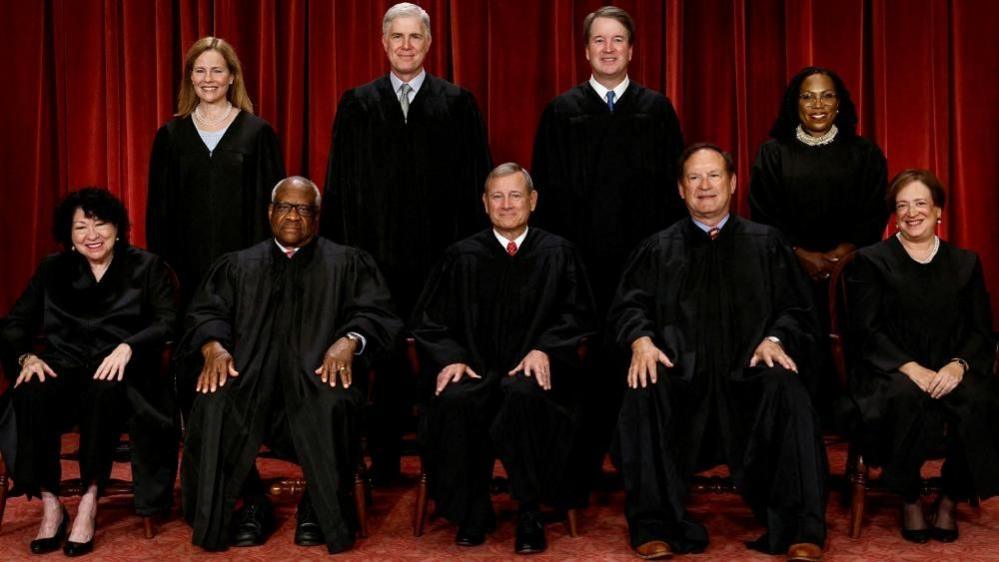
In a decision that marked a major setback for former President Donald Trump, the United States Supreme Court upheld birthright citizenship, ruling that the constitutional principle that anyone born on U.S. soil automatically becomes a citizen remains intact. The court voted 5‑to‑4, with the majority side including Trump‑appointed Justices Amy Coney Barrett and Neil Gorsuch. Trump’s public response was lukewarm: he called the ruling “too bad for our country” but also announced legislation aimed at restoring his proposed limits on the citizenship principle.
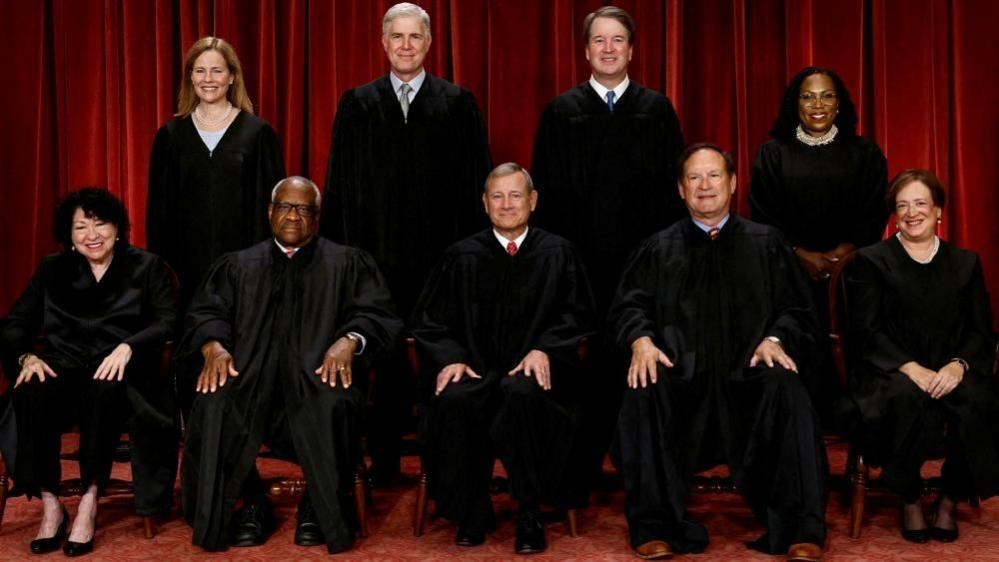
Although Trump’s effort to curb birthright citizenship failed, the Supreme Court’s conservative majority has continued to grant him expansive authority in areas that had been the focus of his campaign. Key decisions include:
- Overturning provisions that would have allowed the president to enforce the National Guard in Chicago to enforce immigration law.
- Rejecting an attempt to extend federal trade tariffs that bypassed Congressional approval.
- Affording the president more unchallenged control over appointment and removal of federal regulators, including those in charge of environmental and financial regulations.
- Weakening campaign‑finance restrictions and lifting limits on political party spending, a move that provides a competitive edge to the Republican Party.
These rulings underscore a pattern: while the Supreme Court can strike down policies directly tied to Trump, it frequently backs his broader agenda—especially on immigration enforcement and election law. Even as the court affirms constitutional guarantees, it effectively grants presidents, now and in the future, more leeway to shape federal policy with minimal congressional oversight.
The court’s actions have reshaped the balance of power, allowing the executive branch to extend its influence over the federal bureaucracy and election processes. With potential retirements among senior conservative justices, the legacy of Trump’s influence on the judiciary may continue to evolve in the coming years.