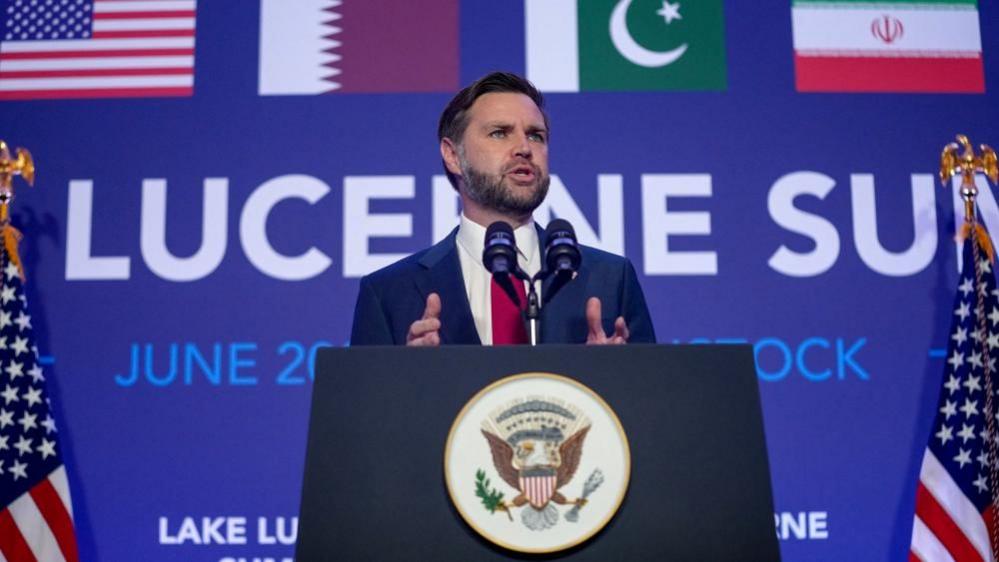
United States officials and Iranian representatives have expressed a shared preference for avoiding a return to open warfare, yet the ceasefire that was staged on 8 April remains fragile. The international mediation team—comprised of Pakistani and Qatari diplomats, among others—has stalled talks after a series of back‑and‑forth exchanges that promise nothing concrete.
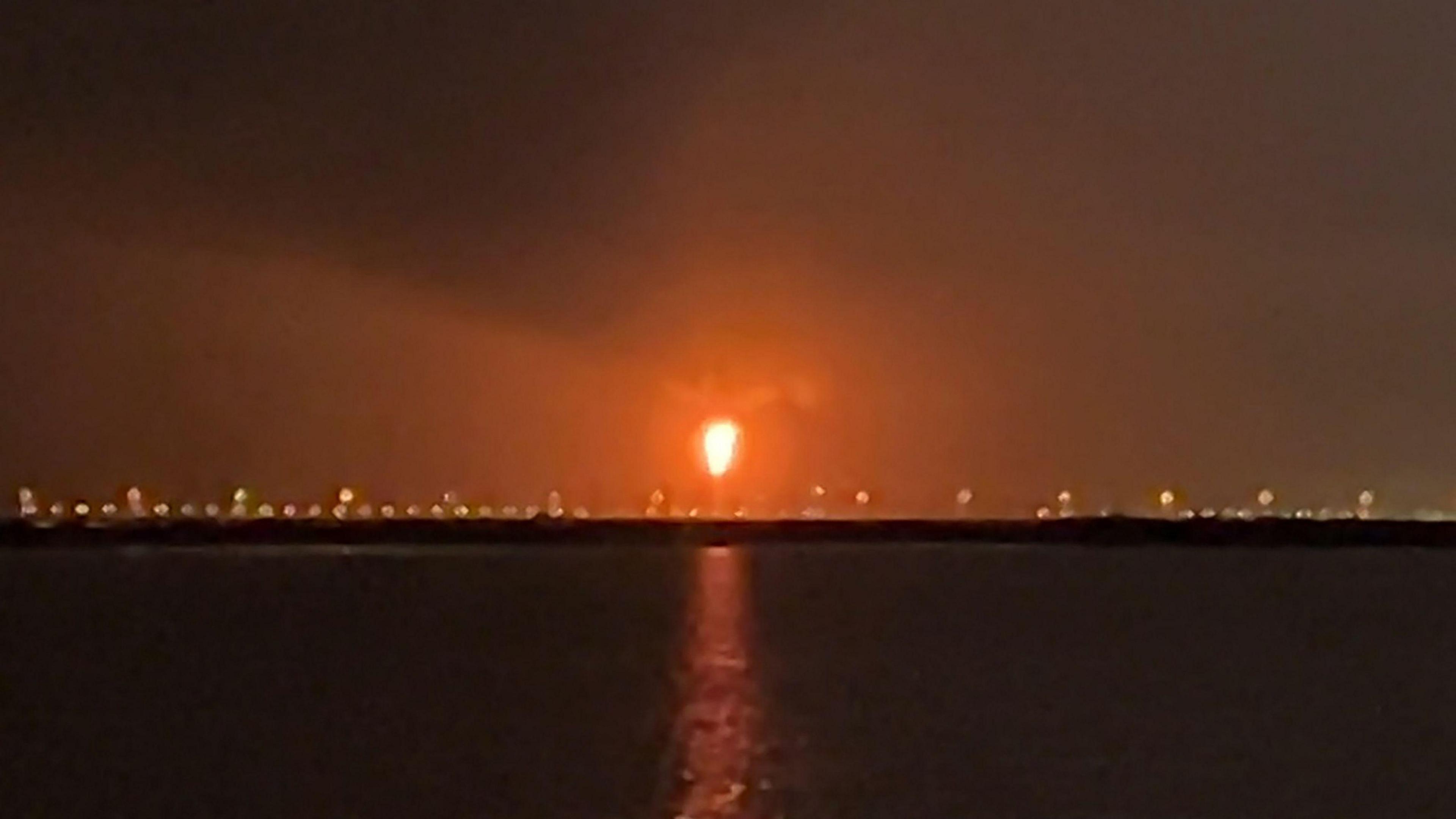
The United States maintains a powerful naval and air presence close to Iran, a deterrent that no doubt weighs on Tehran’s decision to keep its forces on alert and repair damage inflicted by prior US and Israeli strikes. The Gulf’s airspace is a key proving ground, where any misstep could trigger broader confrontation.
Iran’s hard line is clear: the regime will not abandon its firm stance against the United States and is prepared, if need be, to target American infrastructure in the broader Gulf. The Iranian leadership’s commitment to “defend its sovereignty” drives the current tension, as they see any concession as a threat to regime security.
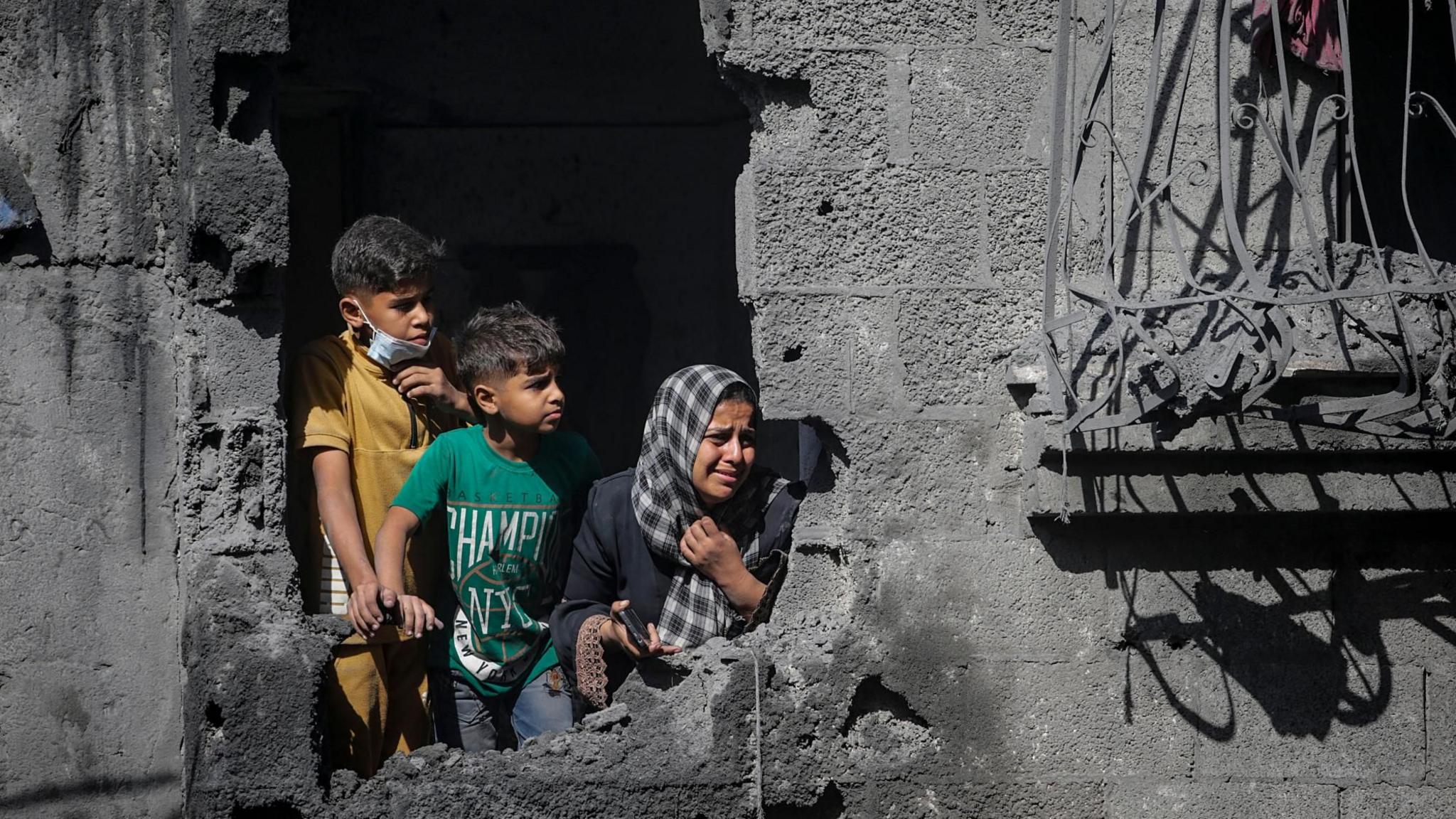
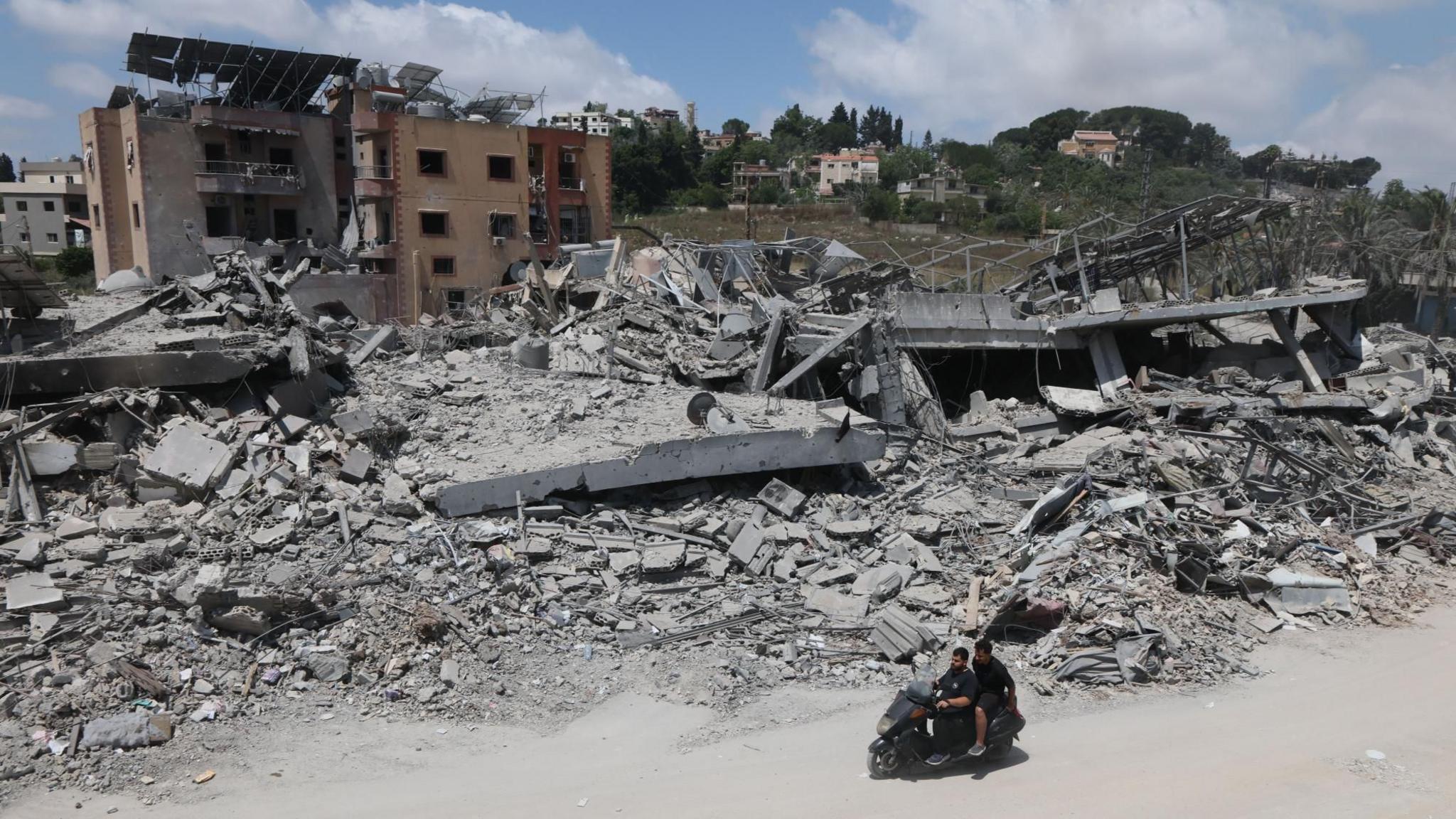
Conveniently, Israel’s recent actions—most notably the return of its bombers to Beirut—have narrowed the scope for any last‑minute diplomatic moves by President Trump. Israeli Prime Minister Benjamin Netanyahu remains unmoved by the possibility of a new ceasefire, viewing any settlement with the US as a compromise to Israeli interests.
Iran continues backing Hezbollah, reinforcing its proxy presence in Lebanon. The Syrian‑led relationship means that a broader deal with the United States might require ending the Israeli offensive in Lebanon, further complicating negotiations.
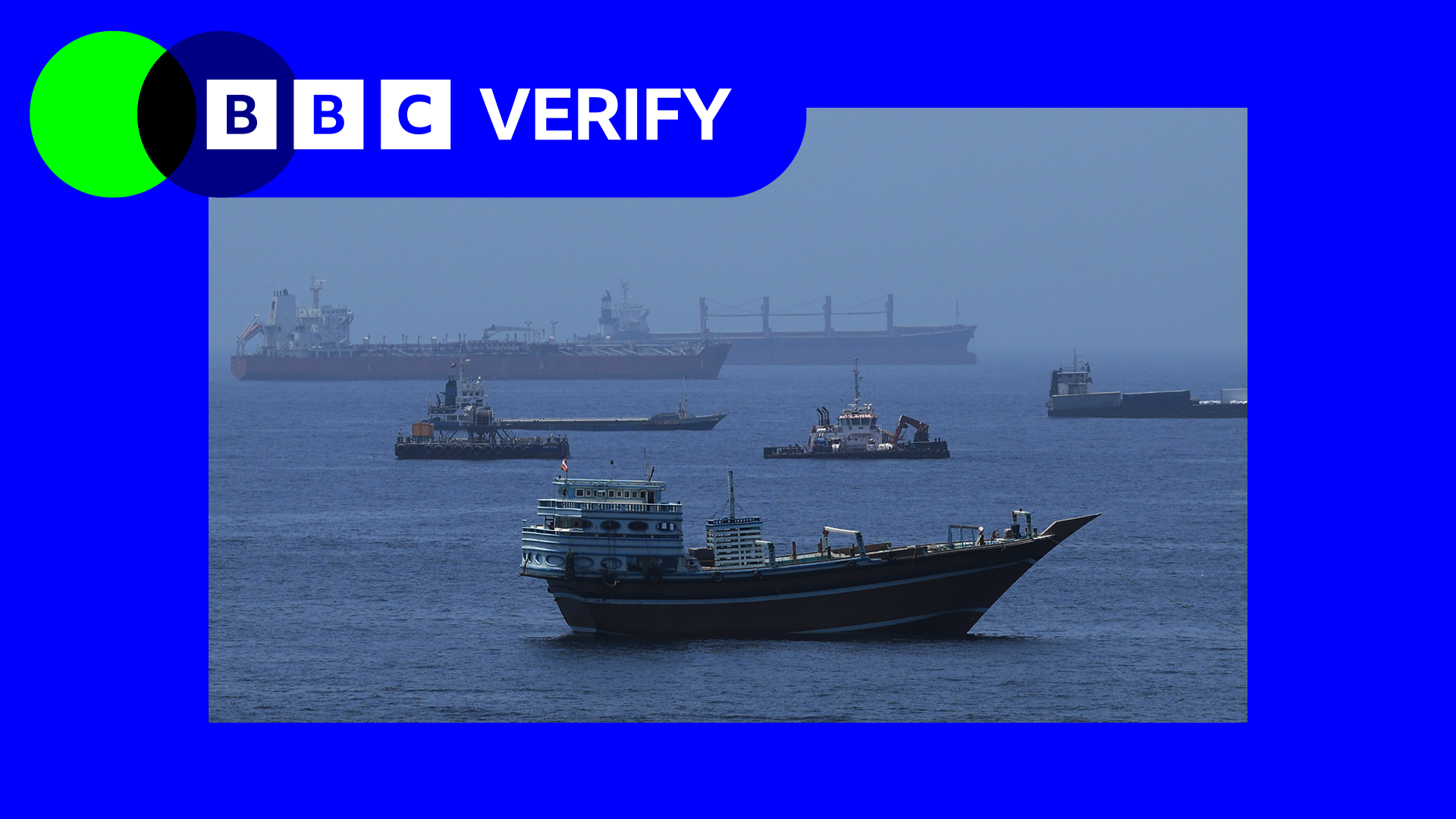
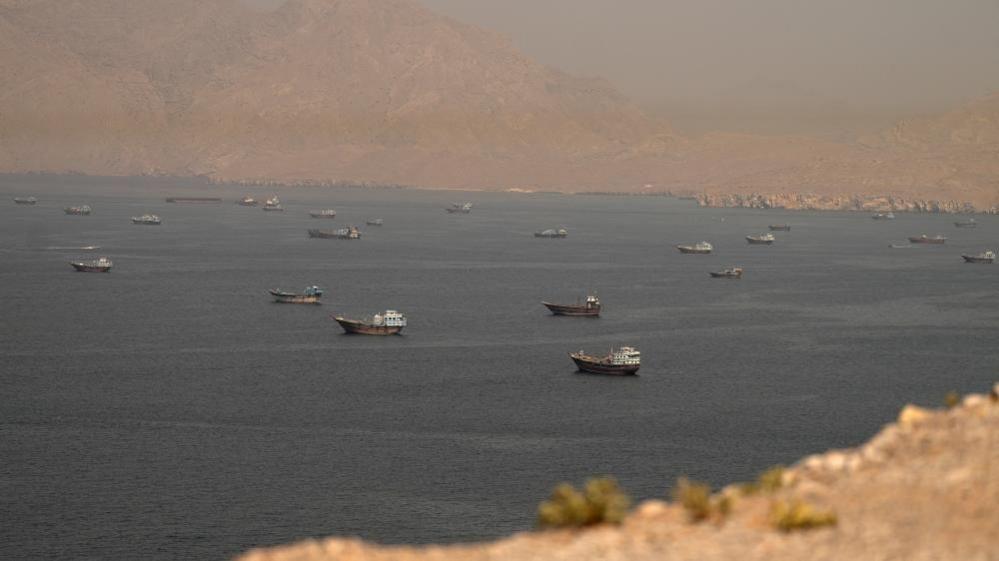
Another pivotal issue centers on the Strait of Hormuz. Tehran demands a comprehensive solution—which could include easing sanctions or releasing frozen assets—to lift the shipping blockade that has been in effect since an attack on 28 February. The closure of the strait has already reduced global oil supply by roughly 20%, affecting the entire world economy.

Gulf Cooperation Council members—Saudi Arabia, UAE, and Qatar—continue to push for a diplomatic comeback while safeguarding their economic interests. The UAE has strategically aligned with Israel, even provisioning the Iron Dome defense system for the region, while Saudi Arabia asserts an independent stance when responding to Iranian provocation.
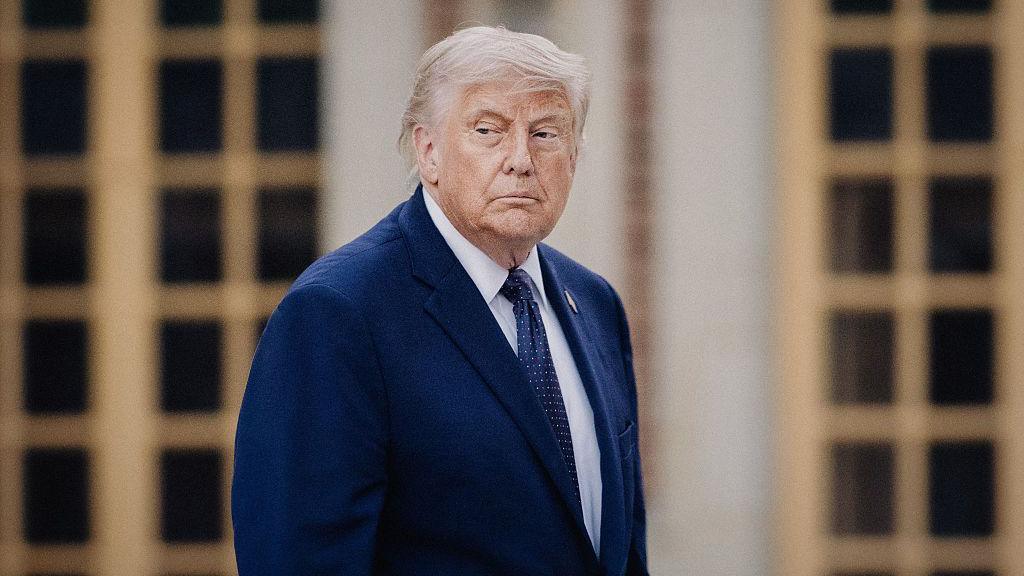
Trump’s own position has become a balancing act. On the one hand, he must bring the United States to a swift agreement to avoid domestic backlash; on the other, he faces the prospect of conceding to Tehran’s demands—an outcome discouraged by hardliners within his own political circle. Trump’s long‑standing criticism of the 2015 nuclear deal adds another layer of pressure to the decision to appease Iran.
Ultimately, calm can only be achieved if a robust ceasefire is extended and mutually acceptable terms are agreed upon. Until then, the risk of miscalculation remains high, and the war’s expansion could further destabilize the region’s global economic ties.