In brief
Leah Stewart, a 34‑year‑old mother from Sydney, survived a brutal shark attack at Coogee Beach, underwent multiple surgeries, and is now moving towards recovery thanks to extensive community support. Her story underscores a growing spike in Australian shark incidents, prompting discussion on safety measures and public awareness.
During a calm morning swim at Sydney’s popular Coogee Beach in June, 34‑year‑old Leah Stewart was abruptly taken by a shark, suffering severe bites on her arms and legs. The sudden assault left her with a life‑changing injury, culminating in one arm’s amputation and a lengthy period in an induced coma.
The attack forced a series of surgeries, but it also spurred an outpouring of aid. An online fundraiser lifted more than AU$550,000 for treatment and home‑based rehabilitation, according to Stewart’s public post. The financial support enabled her family to manage her recovery outside hospital walls and consider future medical options.
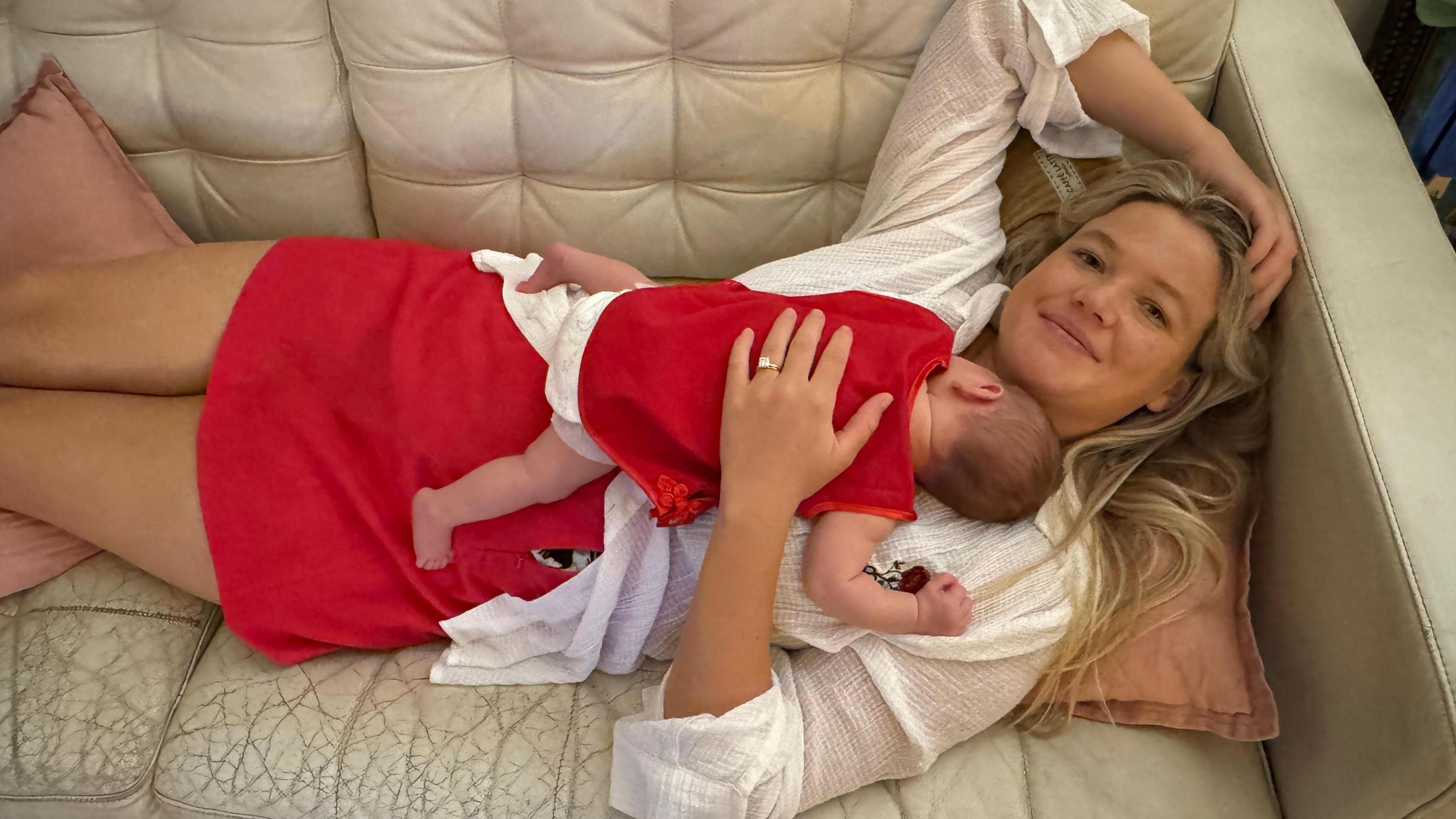
"After what has been an incredibly difficult few months, I’m so happy that I’ve progressed enough to build some independence," Stewart wrote, followed by a heartfelt note: “I want you to know that I feel like I’ve been given a second chance at life, and I’m not going to waste it.” Her gratitude extends beyond family and friends to “even strangers” who showed up with digital cheers and donations, underscoring how public empathy can accelerate healing.
In a tribute to the terrifying moment, she recalled the shark’s ferocious face: “I’ll never forget it – it was a monster.” She was also shaken by thoughts of her daughter August, fearing a future without her mother’s presence yet resolved to fight back tears, refusing to let the tragedy define her life.
Stewart’s episode is part of a troubling trend: Australia has reported multiple shark attacks in recent months, including four in January alone—a fatal case involving a 12‑year‑old boy—and several other serious incidents in Queensland and Western Australia. These reports prompt renewed debate over protective measures such as shark nets and beach vigilance protocols.
For a broader view, a forthcoming interview with the Nine Network’s 60 Minutes preview will delve into her experience and the broader implications for public marine safety.
The story of Leah’s recovery illustrates that while nature can bring unforeseen danger, community solidarity and modern medicine can often turn a potential tragedy into a story of resilience. Stakeholders ranging from local councils to environmental NGOs may look to her experience when shaping future beach‑safety strategies, ensuring that beaches remain both welcoming and secure.