In brief
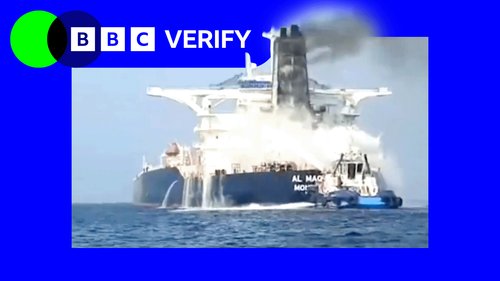
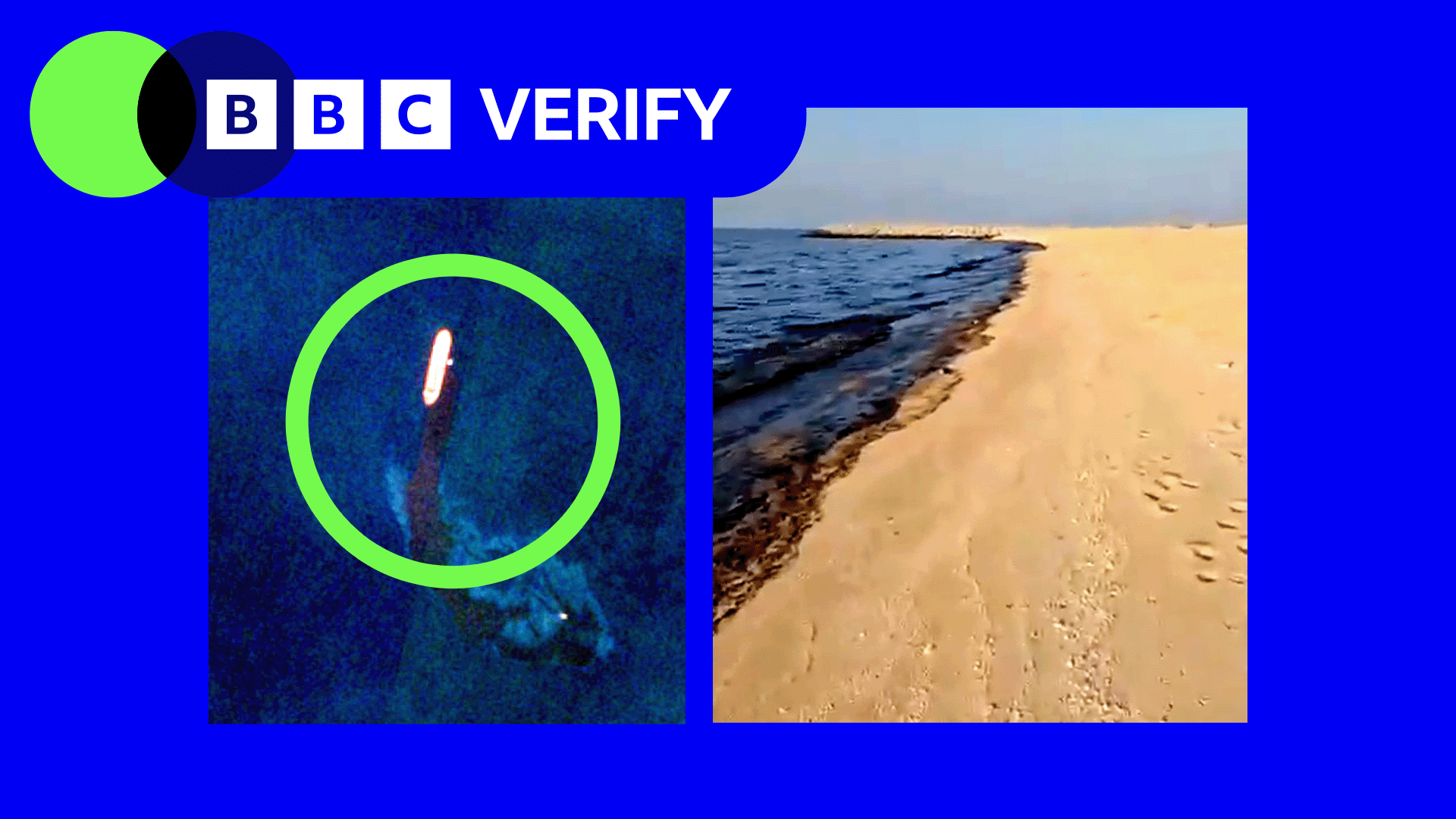
A crude oil tanker nicknamed Gem No.2 was struck in early October as it crossed the Strait of Hormuz, starting a leak that is now washing ashore along the United Arab Emirates coastline. Satellite imagery shows the slick extending more than 35 km (22 miles) by mid‑October, and videos confirm dark oil washing over the sands of Umm Al Quwain. UAE authorities have closed affected beaches and begun containment measures, while scientists warn of immediate and long‑term harm to marine species, including turtles and the critically endangered Halavi guitarfish. The spill reaches Siniyah and Khor Al Beidah islands, a key biodiversity area that includes coral reefs and seagrass beds. This incident adds to a growing wave of maritime incidents in the region, reflecting heightened tensions between Iran and the United States over shipping in the Gulf.
The United Arab Emirates has announced that an oil spill originating from the tanker Gem No.2, which was struck near the Strait of Hormuz in early October, is now washing up along its northern coast. Satellite images from Copernicus Sentinel‑2 show a black slick spreading more than 35 km (22 miles) by mid‑October.
Authorities in Umm Al Quwain have closed several beach venues and begun containment work to limit environmental damage. Marine experts warn that the spill could dead‑end turtles, smother seabirds, and impair fish gills, while prolonged exposure to toxic hydrocarbons may reduce reproductive success in affected species.
The slick now extends toward Siniyah and Khor Al Beidah islands, a globally recognised Key Biodiversity Area home to coral reefs, seagrass meadows and the critically endangered Halavi guitarfish. Environmental agent Prof Steve Widdicombe notes the proximity of the spill to this habitat is the most concerning aspect of the disaster.
Gem No.2, a Panama‑flagged crude oil tanker, reportedly suffered a projectile strike on 9 October, causing a fire that was later extinguished. All 22 crew members were rescued, and Iranian state media released footage of the vessel on fire and releasing oil into the sea.
This incident follows a surge in attacks on ships in the Strait of Hormuz, part of an Iranian effort to assert control over the corridor, amid ongoing US‑Iran military tensions. The spread of marine pollution through such conflicts underscores the urgent need for coordinated international response mechanisms and stricter maritime security protocols.