In brief
Following the violent riots that shook France on 17 October, the government has deployed 70,000 police officers for Saturday's protests. Students, unions and anti‑government groups plan large demonstrations across major cities, while authorities impose restrictions and ban non‑union gatherings. Violence remains a concern, with hard‑right and left‑wing parties citing the unrest to rally support as the presidential election approaches.
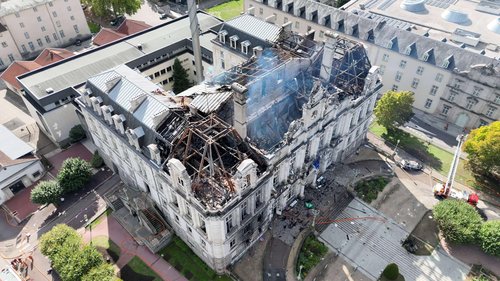
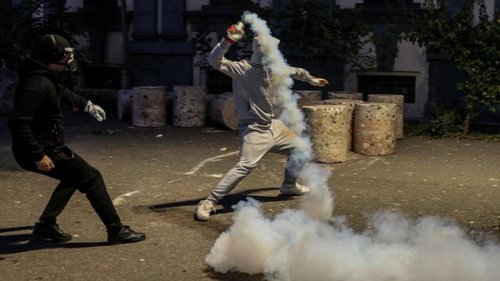
France is on high alert ahead of a new day of nationwide protests on Saturday, a week after the country saw some of its worst unrest in decades.
The government has deployed 70,000 police officers to widen security coverage across cities. Opposition parties criticize the Interior Ministry for not anticipating the scale of the 17 October riots.
Interior Minister Laurent Nunez said, "We will not let anything go unchallenged. We will be uncompromising with the vandals, the looters, and all those who commit acts of violence." He warned of violent calls on social media from far‑left groups.
Hundreds of protesters, mainly students, trade unionists and broader anti‑government activists, are expected to gather in Paris and other cities. Their slogans include demands for a resignation of President Emmanuel Macron.
Students’ leaders met Macron on Friday, receiving commitments but urging continued mobilisation. Several cities, including Lyon, Nice and Montpellier, have issued blanket bans on gatherings. However, officials such as the mayor of Marseille reversed previous bans to allow union‑organised marches.
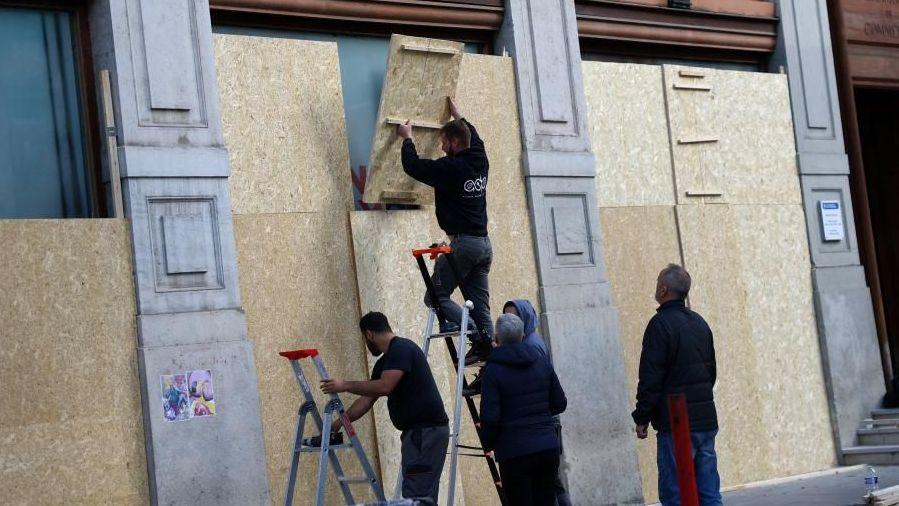
In Paris, a student labour march has been routed away from the city centre. The Louvre, Orsay and Picasso museums will close on Saturday; a PSG home match was moved to Monday and businesses have boarded up to prevent looting.
The unrest has highlighted deep discontent over rising living costs and looming fiscal deficits. Macron’s centrist movement may face a difficult second round of the presidential election, potentially leaving voters to choose between the National Rally and La France Insoumise.
Jean‑Luc Mélenchon has accused the government of heavy‑handed policing and called on supporters to protest. Marine Le Pen’s conference in Orléans is expected to be a flashpoint, with thousands of right‑wing supporters and sizeable police presence.
Over 1,100 people have appeared in court for the 17 October riots, and 232 were imprisoned for vandalism, arson, and looting. Justice Minister Gérald Darmanin requests punitive measures: bans on future demonstrations, loss of voting rights and social media access for convicted looters.
Protesters also associate the revived Gilets Jaunes movement with last weekend’s actions, calling for Macron’s resignation and accusing police of brutality. Cities across France now face the challenge of balancing public order with democratic expression amid an uncertain political future.