In brief
Two 14-year-old boys were sentenced to probation after creating 59 AI-generated nude images of classmates, highlighting the troubling implications of technology in modern society. The victims, many from their own school, are now seeking justice as legal and ethical conversations surrounding AI deepen.
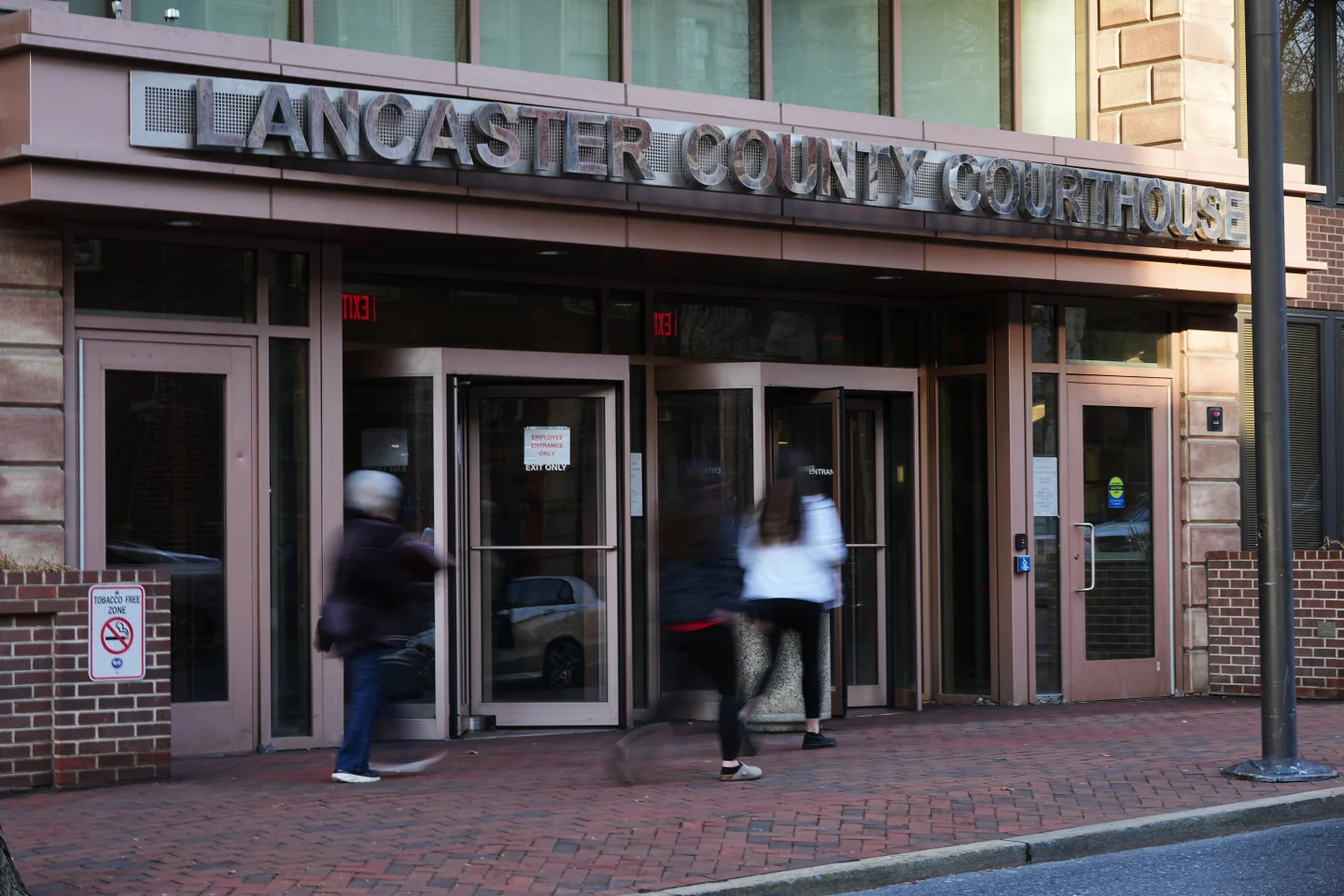
LANCASTER, Pa. — In a case that has shocked the local community and brought to light significant concerns regarding the abuse of artificial intelligence, two teenage boys have received probation for their involvement in creating fake nude photos of their classmates.
The boys, who were 14 years old at the time of the offenses, admitted in court that they generated a total of 59 child sex abuse images using AI technology. Prosecutors revealed that the boys manipulated photographs of local girls, many sourced from social media platforms like Instagram, merging them with adult images that depicted nudity or sexual activity.
Some of the victims were fellow students at Lancaster Country Day School, located west of Philadelphia. The case came to the authorities' attention after a concerned mother reported that her daughter had informed her about a classmate using AI tools to create these inappropriate images.
During a recent court hearing, Lancaster County Common Pleas Court Judge Leonard Brown III made a significant point regarding the nature of the boys’ actions, indicating that if they were of legal age, they might have faced incarceration instead of probation.
As part of their sentence, both boys have been assigned 60 hours of community service and must adhere to a no-contact order with their victims. If they remain law-abiding over the next two years, it is possible for their records to be expunged.
Despite multiple opportunities to express remorse, neither boy offered an apology or claimed responsibility during the proceedings. Their attorney, Heidi Freese, remarked that there were complex legal issues at play concerning the charges, noting that these matters might arise again in the future.
Pennsylvania Attorney General Dave Sunday commented on the case, stating it illustrates the dangerous potential of technology when misused, calling it an example of how such tools can harm vulnerable individuals. He emphasized the devastating impact this misconduct has on the young victims involved.
The case in Pennsylvania surfaced shortly after three teenagers in Tennessee sued xAI, a company co-founded by Elon Musk, claiming that its AI tools transformed their real photos into explicit images, indicating a growing issue tied to technology and child safety.
The incident has generated significant local backlash, resulting in student protests, leadership changes at the school, and broader conversations around the responsibilities of educational institutions and technology providers in safeguarding minors.
Nadeem Bezar, an attorney representing several victims, expressed his intention to pursue legal claims against the school and any accomplices in allowing these AI-generated images to circulate. He stated the reactions among the affected girls vary, with some experiencing profound trauma as a result of the invasion of their privacy.
As the situation unfolds, state lawmakers are taking note and proposing legislation to address the alarming rise in deepfakes and AI-generated content, with 46 states now having laws regulating such technology.