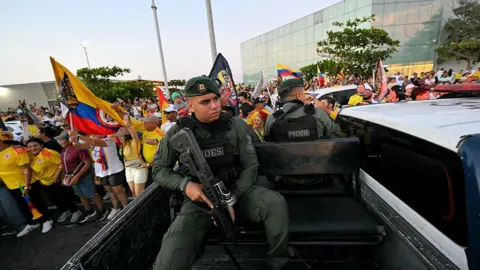
With growing fears that the militant Islamist insurgency engulfing large parts of West Africa is spreading, security has taken center stage in Benin's presidential campaign. This shift comes just days before the election, scheduled for Sunday, amid heightened threats that challenge the nation's previously peaceful reputation.
On the heels of a failed coup attempt against outgoing President Patrice Talon, security concerns dominate the discussions among voters. This attack was thwarted thanks to an intervention from Nigeria, which is vital as it has historically safeguarded Benin from cascading violence that has severely impacted neighboring countries like Niger, Burkina Faso, and Mali.
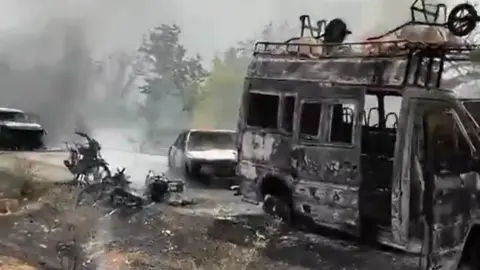
This emerging insurgent threat was starkly illustrated by a recent attack in which an al-Qaeda affiliate killed 15 soldiers at a military base near the Niger border. Similar incidents have become increasingly frequent, including an earlier attack that resulted in the deaths of 28 soldiers last January. The steady rise in violence underscores the insurgents' ability to exploit Benin’s porous borders, further complicating the security landscape.
In the face of this escalating violence, two primary presidential candidates—Romuald Wadagni, the finance minister representing the ruling coalition, and Paul Hounkpè, a challenge from the opposition—are addressing candidates' concerns and outlining plans to strengthen national security.
Wadagni has concentrated his campaign in vulnerable northern regions, pledging to prioritize citizens' safety. He refers to making sure every resident lives free from the fear of attacks by insurgents. His rival Hounkpè has echoed these sentiments while also stressing the importance of collaborative efforts with neighboring states to respond to the militant threat.
Both candidates acknowledge the need for a unified approach to better security relations at a regional level to tackle this menace, which ABC monitoring group Acled indicates saw a significant rise in attacks in 2025, resulting in over 1,000 deaths, a figure that represents a troubling increase compared to the previous year.
Local sentiments underscore a longing for peace, with many expressing fears of a descent into chaos similar to a neighboring country overwhelmed by Boko Haram’s violence. With the second round of elections quickly approaching, citizens hope for a peaceful transition and a commitment from their leaders to effectively address the pressing threat posed by militant groups.
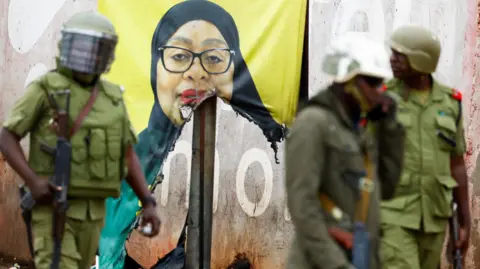
The election also raises fundamental questions about the health of democracy in Benin, which has recently been criticized for its measures that appear to stifle opposition parties. While Talon’s administration maintains it has bolstered democracy, critics argue that such challenges hinder overall electoral integrity.
Regardless of which candidate emerges victorious, the prevailing consensus among Beninese voters is that immediate attention must be on ensuring stability and improving relations with their neighbors to safeguard against the insurgency that has wreaked havoc in the region.