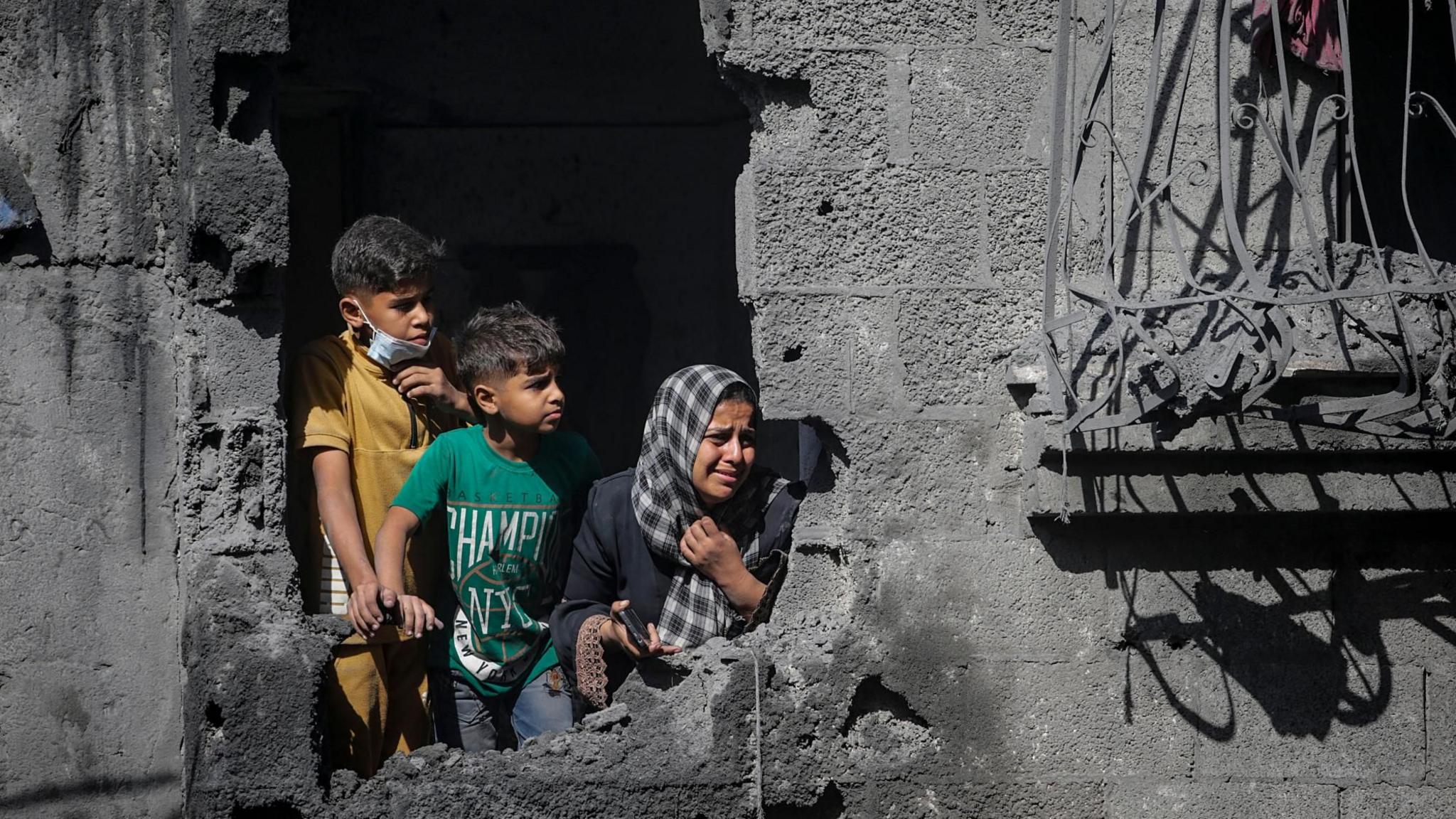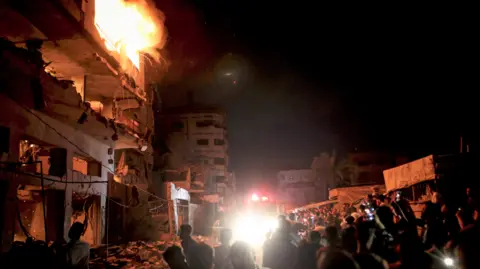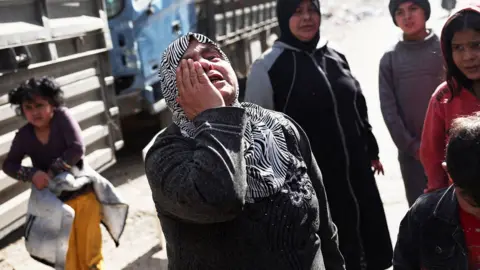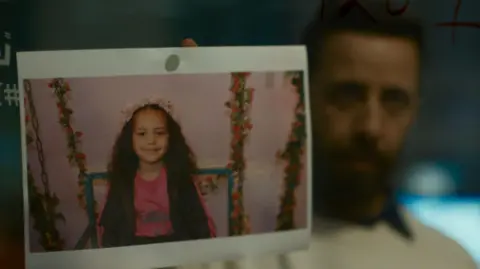
They're shooting at me. Please come get me. I'm scared. These urgent words from six-year-old Hind Rajab, caught on a chilling emergency call, inspired filmmaker Kaouther Ben Hania to pivot from her original project to create a poignant film about this heartbreaking story set against the backdrop of the devastating conflict in Gaza. Hind's voice is central to the Oscar-shortlisted docudrama, 'The Voice of Hind Rajab,' which recently premiered in UK cinemas.
When Ben Hania first listened to the recording of Hind's desperate plea for help while trapped amid bombardments in 2024, she felt compelled to act. I was really angry, I was sad, I felt helpless, she recounted. What can I do? I'm a filmmaker, so I can do movies. Thus began her mission to use film as a powerful medium to bear witness and provoke empathy about the plight of those affected by war.
The film unfolds through the narrative of Red Crescent volunteers, who, despite their best efforts, could not reach Hind. Tragically, Hind and her family lost their lives due to an attack likely from Israeli fire, while attempting to escape the violence.
Though the Israeli Defense Force initially claimed it had no involvement, independent investigations suggested otherwise, amplifying calls for accountability and sparking discussions around wartime ethics.
Critics have lauded the film for its emotional gravity and compelling performances while grappling with the moral complexities of dramatizing real events. In Ben Hania's view, the film strives to elevate Hind's voice above the silence of suffering. In doing so, it poses an essential question: how do we honor the voices of victims while engaging a global audience in urgent humanitarian issues? This poignant exploration continues to resonate as the film garners accolades, including a standing ovation at the Venice Film Festival and nominations ahead of upcoming awards, highlighting the significance of resilience and remembrance in the face of ongoing global crises.
When Ben Hania first listened to the recording of Hind's desperate plea for help while trapped amid bombardments in 2024, she felt compelled to act. I was really angry, I was sad, I felt helpless, she recounted. What can I do? I'm a filmmaker, so I can do movies. Thus began her mission to use film as a powerful medium to bear witness and provoke empathy about the plight of those affected by war.
The film unfolds through the narrative of Red Crescent volunteers, who, despite their best efforts, could not reach Hind. Tragically, Hind and her family lost their lives due to an attack likely from Israeli fire, while attempting to escape the violence.
Though the Israeli Defense Force initially claimed it had no involvement, independent investigations suggested otherwise, amplifying calls for accountability and sparking discussions around wartime ethics.
Critics have lauded the film for its emotional gravity and compelling performances while grappling with the moral complexities of dramatizing real events. In Ben Hania's view, the film strives to elevate Hind's voice above the silence of suffering. In doing so, it poses an essential question: how do we honor the voices of victims while engaging a global audience in urgent humanitarian issues? This poignant exploration continues to resonate as the film garners accolades, including a standing ovation at the Venice Film Festival and nominations ahead of upcoming awards, highlighting the significance of resilience and remembrance in the face of ongoing global crises.