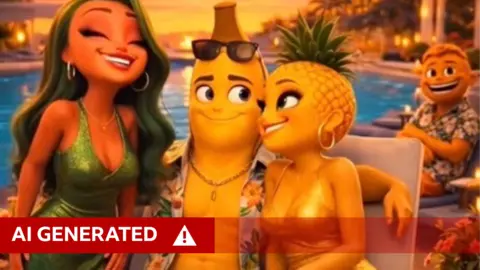
TikTok recently took decisive action by banning 20 accounts that were highlighted in a BBC investigation for using AI-generated black female influencers to lead users toward sexually explicit content. This practice has drawn criticism for being racially exploitative and misleading, as it employs harmful stereotypes and tropes.
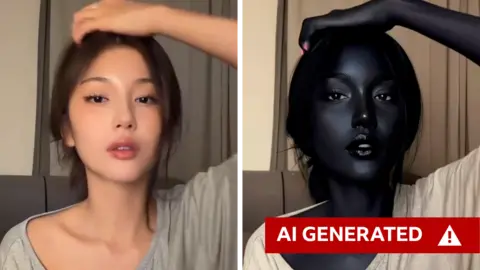
The investigation, in collaboration with Riddance, uncovered numerous accounts on TikTok and Instagram featuring digital characters that are highly sexualized and predominantly black, often wearing revealing outfits and portrayed with exaggerated body types. Many images and videos were AI-generated but not labeled as such, breaching platform guidelines.
Most of these accounts were identified on Instagram, with a significant number also present on TikTok. As a response, TikTok's parent company, Meta, began an investigation into the matter but did not clarify if further actions would be taken.
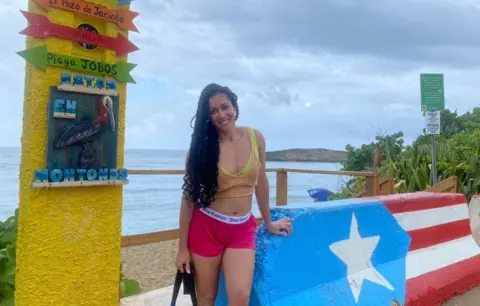
Critics of these accounts have pointed out that they perpetuate racist stereotypes and enable exploitation. Notably, some of the manipulated avatars were created using content stolen from real-life models and influencers, leading to further outrage from affected individuals like Riya Ulan, a model based in Malaysia, whose content was misappropriated to create an AI avatar.
Riya expressed her anger over the situation: I was angry. Of course, my videos are all out there… It doesn't mean that you can just take it and steal it and post it as your own. The investigation also revealed that manipulated videos had racked up massive view counts, often surpassing the original content.
Research suggests a troubling trend wherein AI-generated representations replace authentic depictions of black women, reinforcing harmful stereotypes and obscuring real experiences. Activist and model Houda Fonone characterized the trend as one of erasure, emphasizing that such portrayals imply a narrow standard of beauty in which only 'refined' versions of black women are deemed acceptable.
In response to the investigation, TikTok confirmed it strictly prohibits AI-generated content of individuals used without consent and has a zero-tolerance policy for promoting off-platform sexual services. Furthermore, it has begun applying correct labeling to AI-generated videos.
The ongoing dialogue surrounding these accounts raises significant questions about digital ethics, racial representation, and the responsibilities of social media platforms in maintaining integrity while fostering diversity.