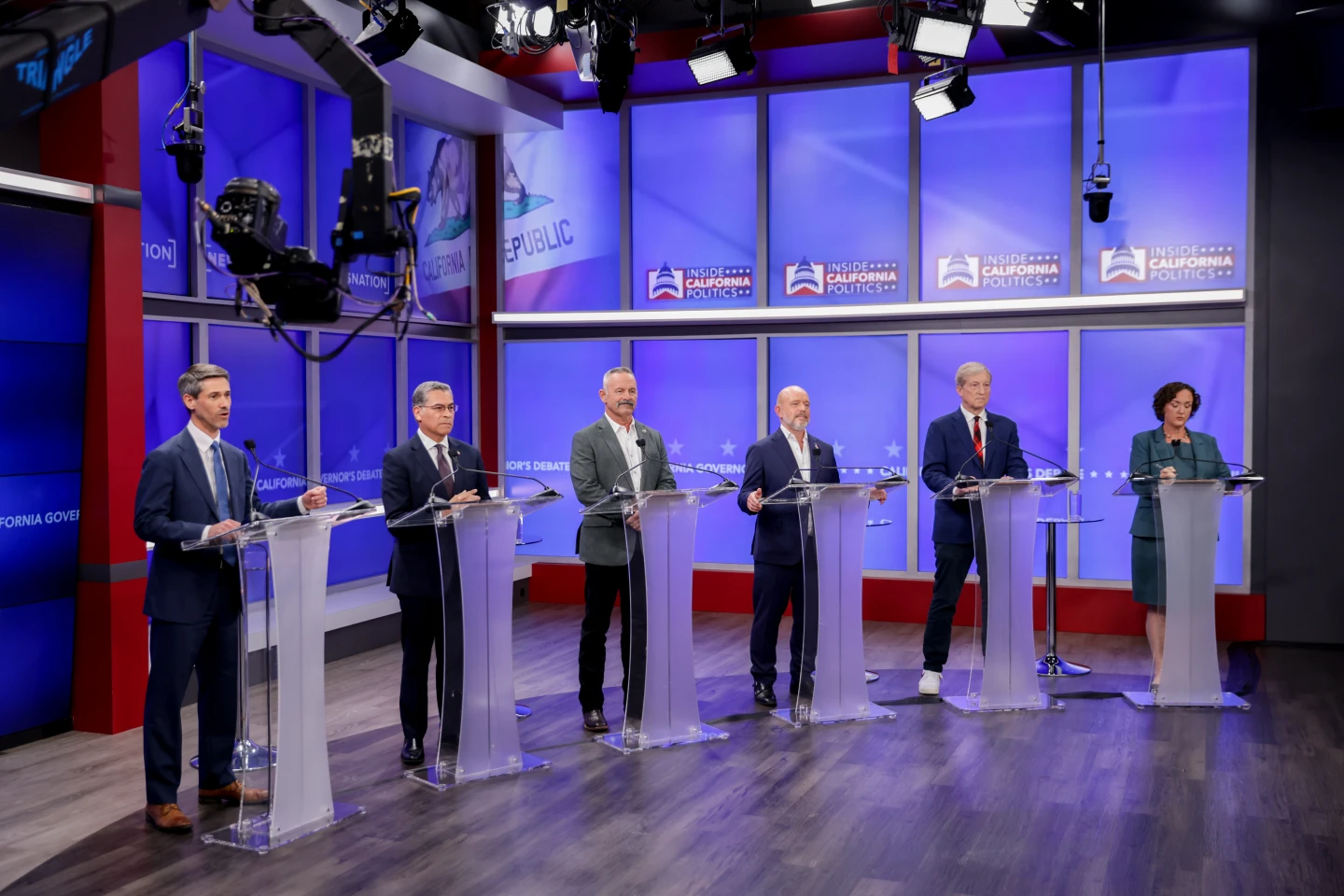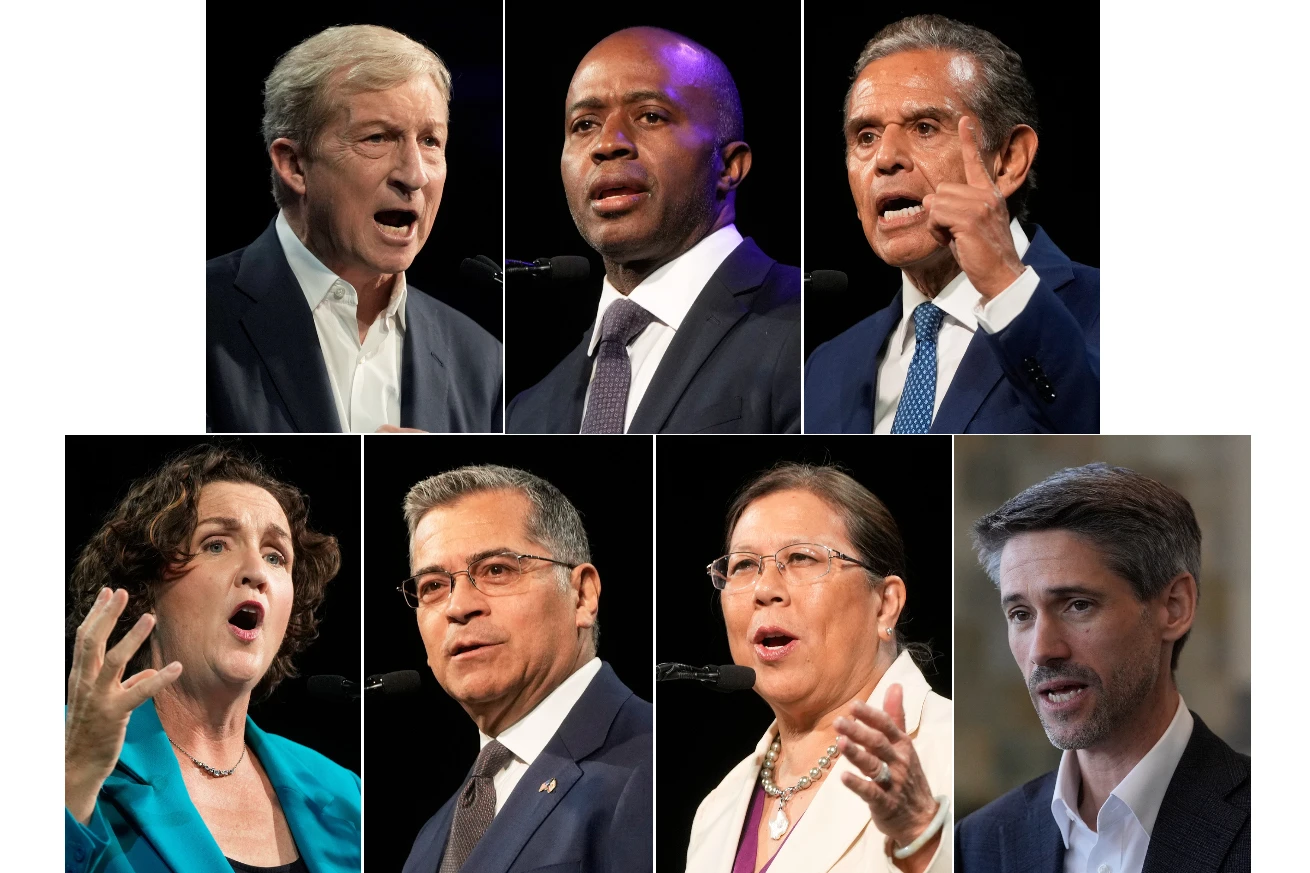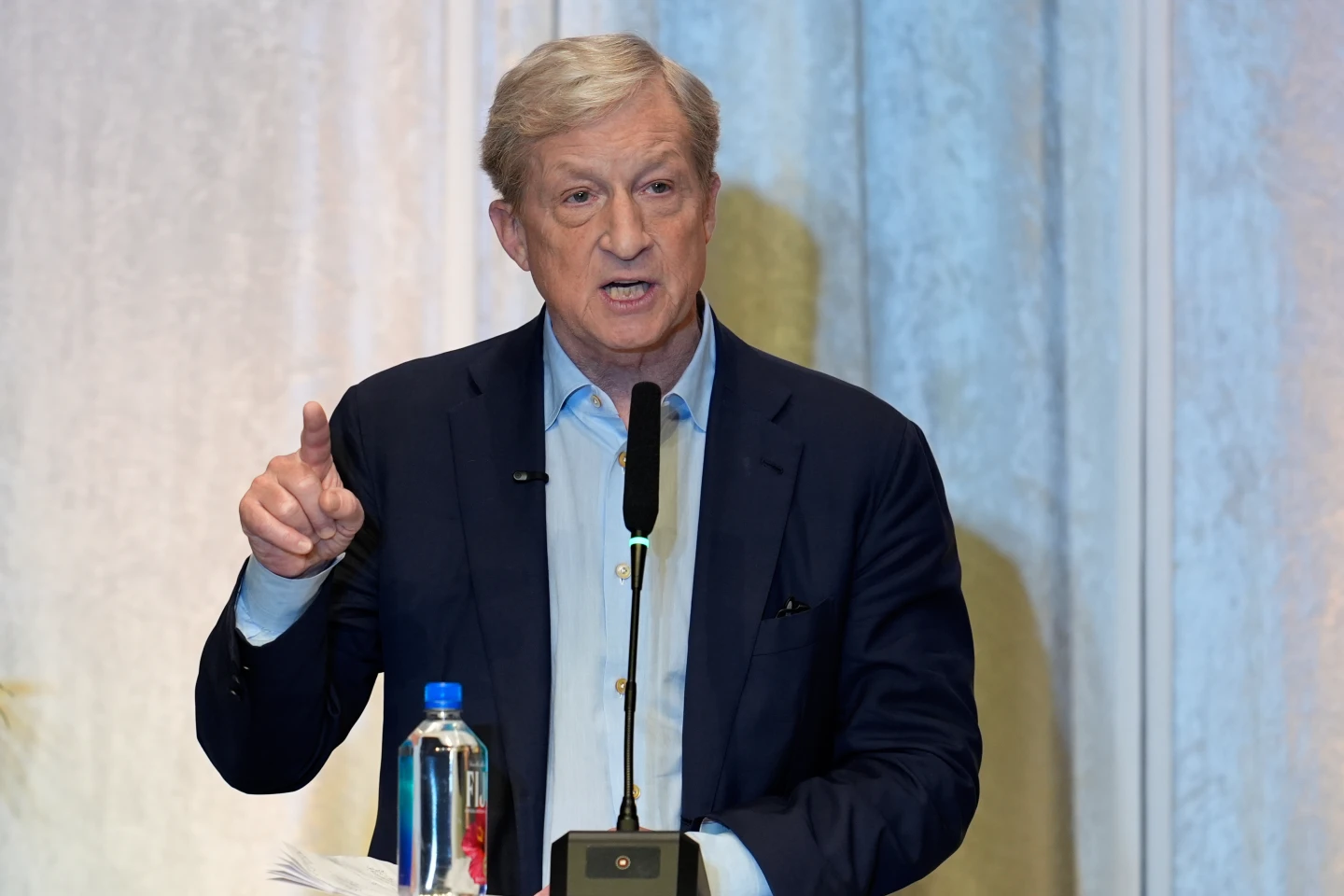
LOS ANGELES — In the competitive landscape of the California gubernatorial race, billionaire Tom Steyer emerges as a significant contender, pouring an estimated $115 million into advertising to promote his candidacy. Critics, including fellow Democratic candidate Katie Porter, accuse him of leveraging his wealth to buy the electorate's favor.
Steyer's advertising blitz, particularly prevalent in the Democratic stronghold of Los Angeles, involves promises to tackle household costs and address immigration issues. He has outspent his nearest competitor by nearly 30 times, raising concerns about the implications of financial clout in political races.
If successful through the primary, Steyer could surpass previous spending records set during the 2010 gubernatorial race, showcasing the escalating cost of California campaigns. Despite this financial advantage, polling shows Steyer has not yet solidified a commanding lead over his rivals, leaving analysts to question the effectiveness of his strategy.
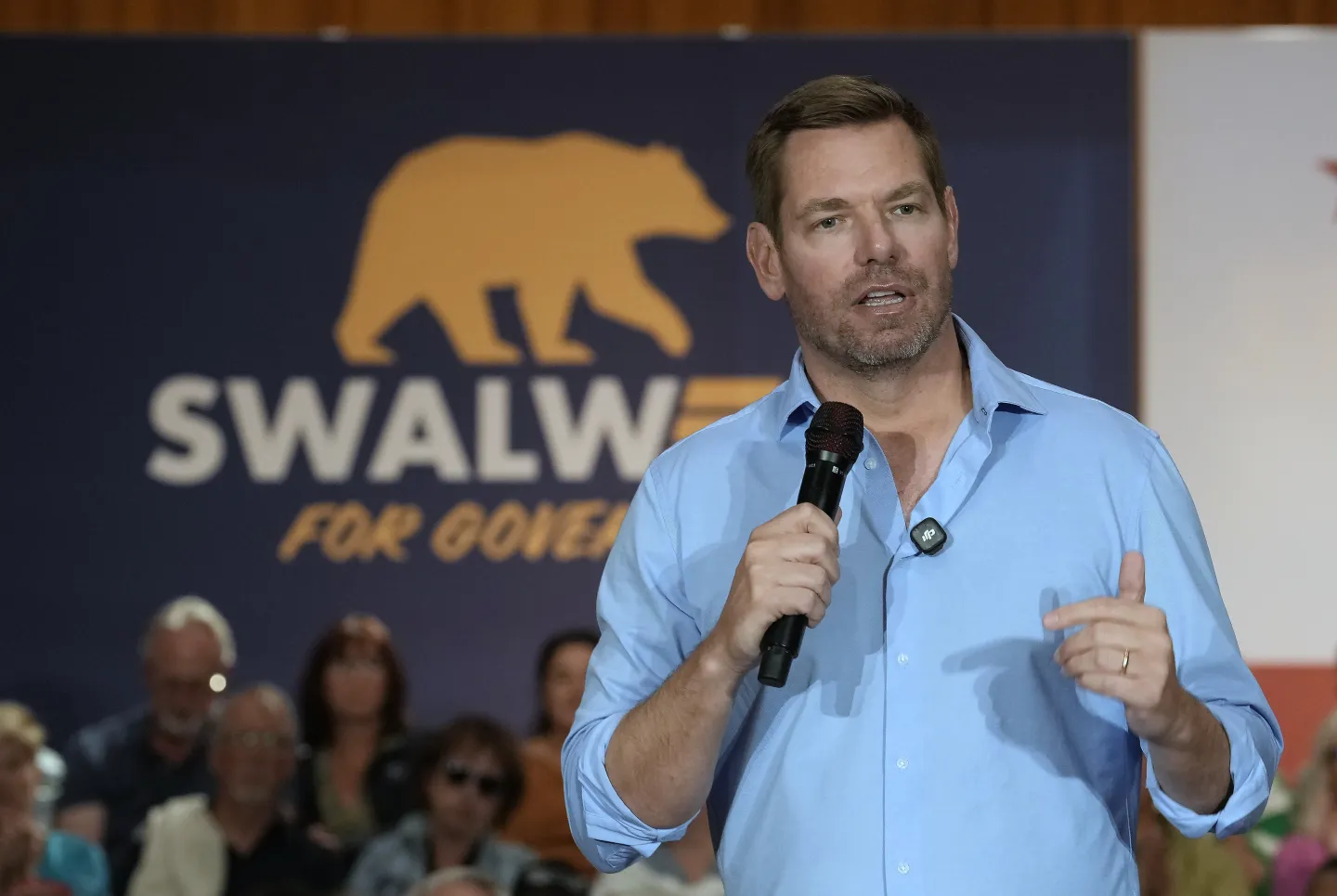
Steyer's campaign reflects a pivotal moment in California politics, especially following the withdrawal of former Congressman Eric Swalwell amid serious allegations of sexual misconduct. This unexpected shift has left a vacuum in the Democratic field, highlighting Steyer's challenge to attract voter attention amidst a relatively unspectacular line-up.
However, political strategy experts suggest that large advertising purchases do not guarantee electoral success, citing previous instances where high spending did not lead to favorable outcomes. Historical examples include billionaire Rick Caruso in the 2022 Los Angeles mayoral race and Michael Bloomberg's lengthy 2020 presidential bid.
Steyer's spokesperson emphasizes his grassroots support and institutional backing, indicating a belief that his financial investments will ultimately resonate with voters. Yet, the uncertainty surrounding voter sentiment in California’s primary system raises further questions regarding his electoral viability.
During a time when many anticipate a highly contested race, experts note that voter enthusiasm appears muted, indicating a broader issue within a crowded Democratic field reluctant to coalesce around a singular leading candidate.