Trump Announces US–Iran Deal Set for Signing Despite Iranian Reservation
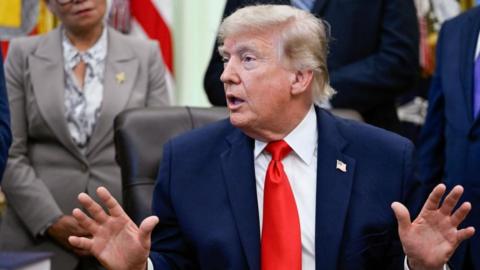
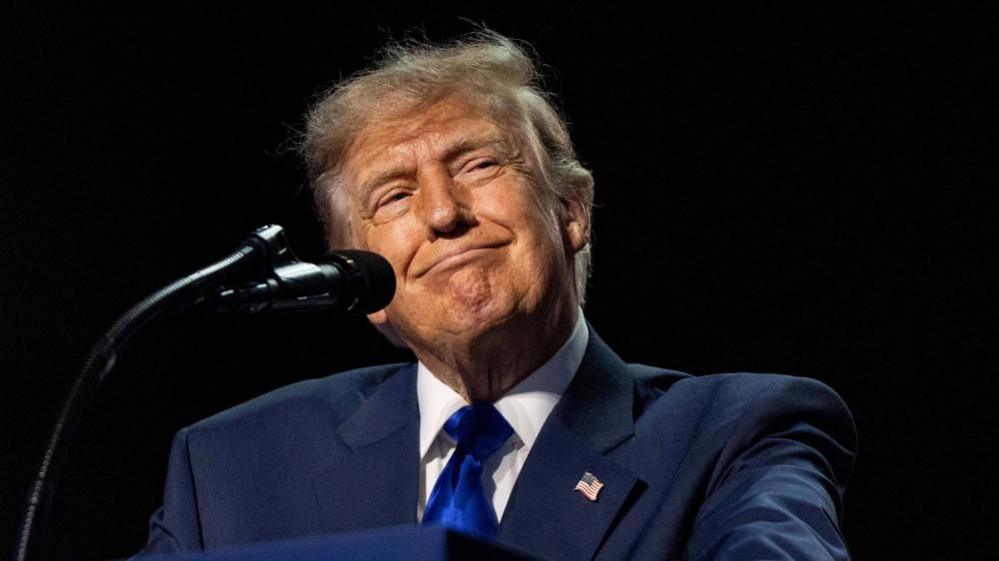
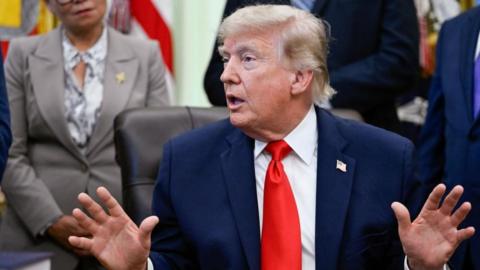
In a retweeted post on social media, former President Donald Trump announced that a memorandum of understanding between the United States and Iran is slated to be signed on Sunday. The announcement came after a series of diplomatic engagements overseen by Pakistani officials.
While Trump emphasised that the "Strait of Hormuz, a key shipping route for the world’s oil and liquefied natural gas, will be open to all" following the agreement, Iranian Foreign Ministry spokesperson Esmaeil Baghaei cautioned that the exact signing date would be "between tomorrow… and a few days later," signalling uncertainty from Tehran.
The deal, which is described as a cease‑fire agreement, is expected to end the recent hostilities that erupted in February after US and Israeli airstrikes on Iranian targets and Iran’s retaliatory attacks across the Gulf. It also reportedly includes provisions to lift the current US blockade on Iranian ports, potentially reshaping maritime trade patterns in the region.
Pakistan’s Prime Minister Shehbaz Sharif acknowledged that the memorandum had been agreed upon, with final technical‑level discussions slated for the following week should the preliminary signing take place. Islamabad has acted as a mediator, underscoring its strategic position between the two powers.
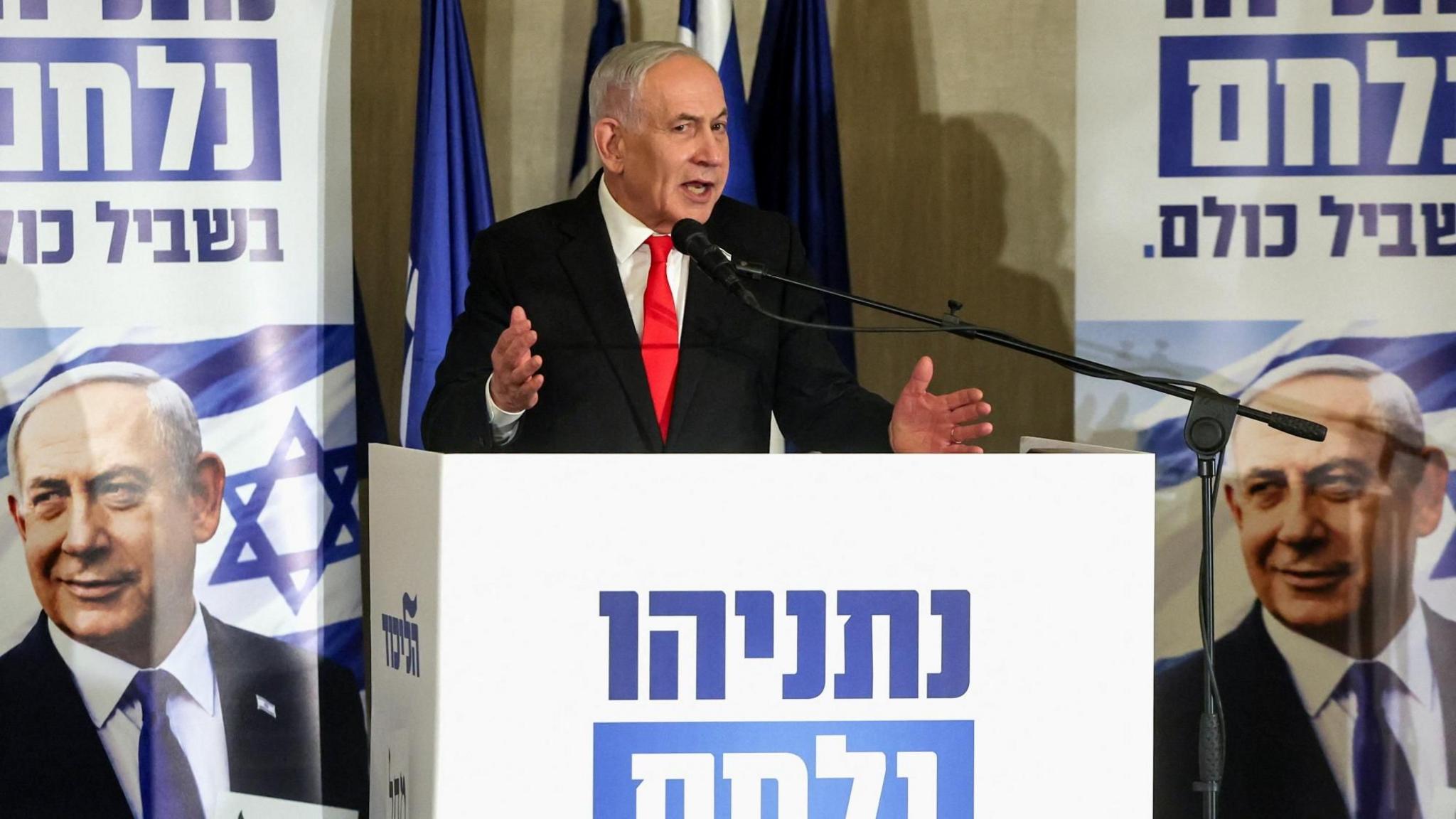
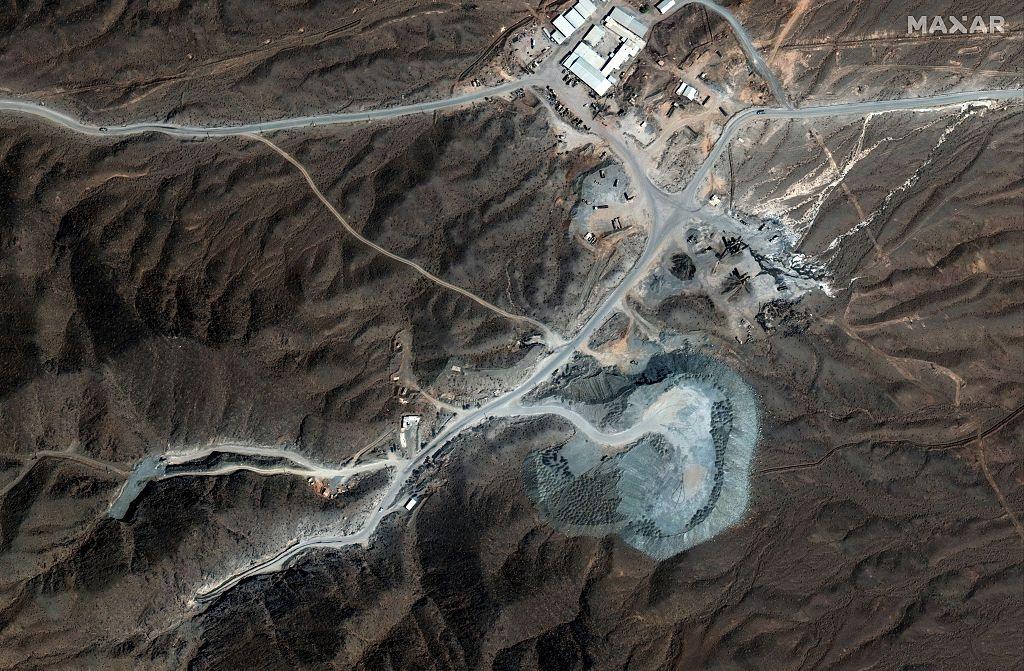
Iranians also emphasised that the agreement would touch upon the protracted Israel‑Hezbollah conflict in Lebanon, with Iran seeking to reduce tensions there. However, former Foreign Minister Seyed Abbas Araghchi indicated that discussions on Iran’s nuclear programme would commence only after the initial agreement, signalling a phased approach to broader diplomatic normalisation.
From an international perspective, the deal’s success hinges on Tehran meeting its obligations to abide by the terms of the agreement. US officials noted that economic benefits for Iran would be contingent on reforms, while the global energy market watches closely, as any shift in the flow of oil through the Strait of Hormuz could influence oil prices.
While the deal offers a path to deescalation, analysts point out that the long‑standing tensions over nuclear ambitions and regional influence remain unresolved. Should the agreement proceed as scheduled, it could mark a significant pivot in Gulf geopolitics; conversely, failure to agree on the signature timeline could reignite uncertainty.