In brief
Donald Trump has taken executive action to suspend parts of the new Russia sanctions bill he signed into law, arguing it serves national interests. The 2026 Graham law targeted Russia’s economy with tariffs and sanctions on key officials and companies. Trump’s move, occurring after a controversial announcement to import Russian diesel, has prompted a 20‑member bipartisan letter urging full enforcement of the law. Ukraine’s president condemned the diesel deal as a gift to Putin, while U.S. allies warn the policy could bolster Russia’s war effort. The episode highlights the tension between domestic economic concerns and the U.S. stance on the Ukraine conflict.
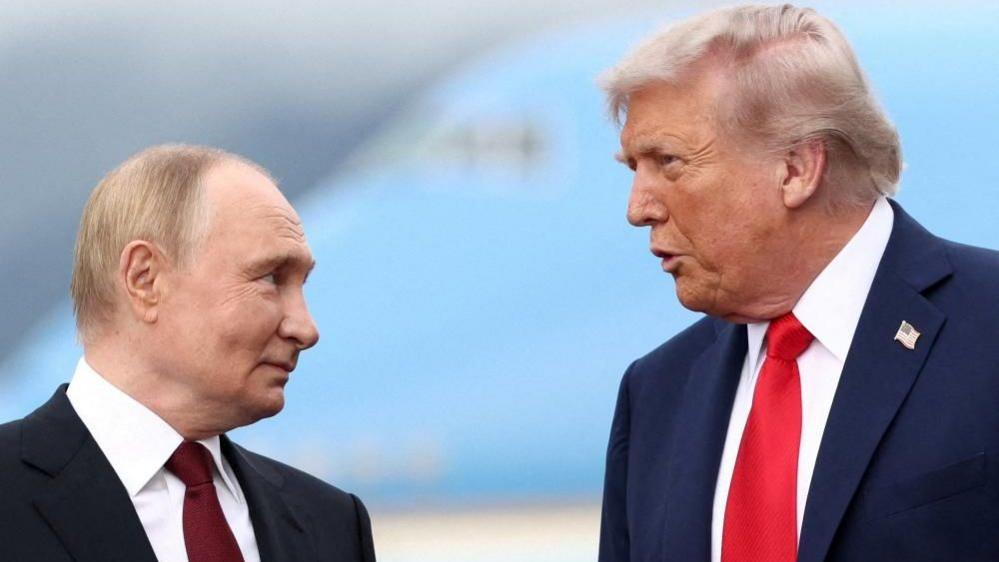
After signing the 2026 Graham Law into effect, President Donald Trump issued an executive order that waives several provisions of the new Russia sanctions bill. Trump said the suspension was in the United States’ national interest, a move that has shocked lawmakers of both parties.
The Graham Law, passed on Monday and due to take effect on 18 October, was designed to cripple Russia’s economy. It imposes tariffs of up to 100% on the top five purchasers of Russian oil and gas—particularly China and India—and bans Russian officials, banks and the so‑called “shadow fleet” of tankers.
Trump’s late‑night directive stands in contrast to his earlier announcement that the U.S. would import Russian diesel to lower fuel prices before the November mid‑term elections. The diesel deal was condemned by U.S. allies and by Ukrainian President Volodymyr Zelensky, who described it as a “gift to Putin” that funds the war.
In a bipartisan letter, 20 members of Congress urged the administration to fully implement the Graham Law. They praised Trump for signing the bill but warned that selective waivers undermine the intended pressure on Russia and could hamper peace negotiations.
The decision has intensified debate over U.S. sanctions policy, domestic economic priorities, and the broader conflict in Ukraine. Analysts now ask whether the executive action will change Russia’s behavior or simply add another layer of complexity to the United States’ foreign‑policy toolkit.
For further coverage, see the original Reuters story: Trump waives several Russia sanctions as new US law takes effect.