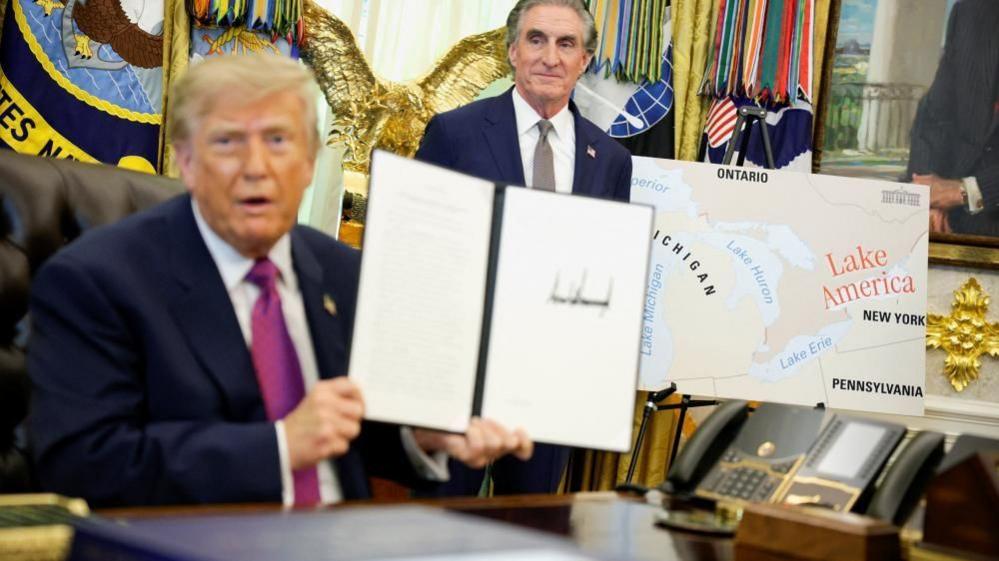
Trump Warns 50% Tariff on Canadian Vehicles, Trade Wars Heat Up
On Monday, U.S. President Donald Trump announced a policy that would increase tariffs on automobiles and auto parts imported from Canada from 25 % to 50 % beginning 1 January. The proposal follows a collapse in U.S.–Canada trade talks which both sides said had been derailed by last‑minute demands.
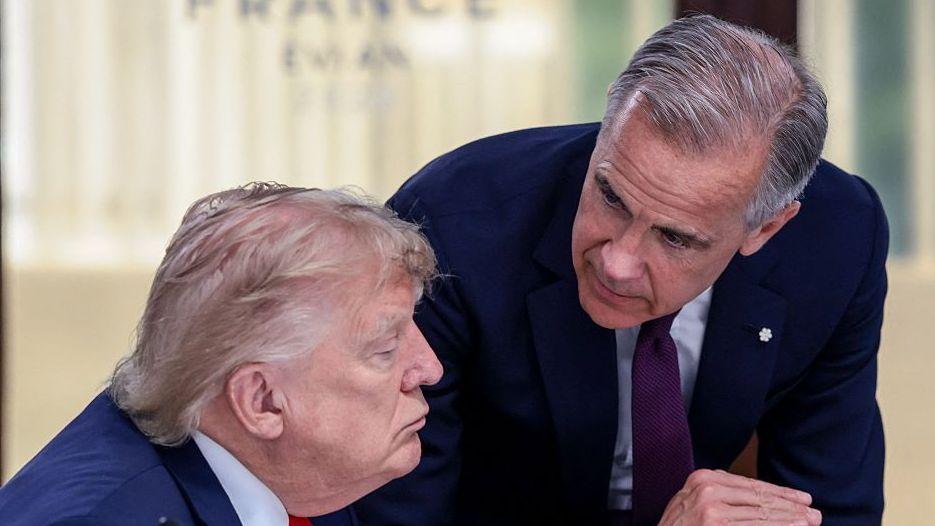
Prime Minister Mark Carney called the threat unsurprising and accused Trump of wanting to dismantle Canada’s auto industry. He warned that Canada would only resume negotiations if the United States entered talks with a “right attitude.” Paralleling federal sentiment, Ontario’s Premier Doug Ford, whose province hosts a large part of Canada’s automotive manufacturing, described the tariffs as vilified and urged Washington to “kiss my ass.” Ford also suggested reciprocating by charging the U.S. for oil, gas, electricity, and critical minerals. Shortly afterward, Trump posted a scathing comment on his Truth Social account, accusing Ford of “bluster” and insinuating a “very, very, very terrible” outcome for Canada.
Trade Representative Jamieson Greer also characterized the stalled talks as a result of Canada’s “last‑minute changes” and stated that the U.S. would only consider a deal if a new and favourable precedent was set. Both governments have denied that any “illegal” or “unfair” clauses were introduced, emphasizing the importance of the Canadian market to U.S. exporters and vice‑versa.
Canada is projected to lose a sizable market: it supplies 60 % of U.S. crude oil imports and virtually all natural gas exports. Carney claimed substantial federal support would cushion Canadian industries from the impact of a 50 % levy and announced a C$ 11 bn ($7.95 bn) investment in icebreakers to safeguard Northern and Atlantic shipping routes, highlighting the broader strategic dimensions of the dispute.
Business leaders on both sides warn of upside risks. In Portland, Oregon, Paloma Clothing owners noted that their Canadian‑sourced pillows could see a 50 % price jump to roughly $90, stressing how sudden tariff changes can hurt supply chains. Canadian and U.S. firms have therefore signalled that, should the conflict grow, “half of their business” could disappear.
The edge of the U.S.–Canada trade fracas also casts a shadow on the United States‑Mexico‑Canada Agreement (USMCA). Both Canada and Mexico have expressed a desire to extend the pact for 16 years, whereas the United States has indicated it will not renew in the current form. Oxford Economics estimates that a breakdown could pull Canada into recession and set a permanently lower growth trajectory.
Additional reporting by Ana Faguy.