Trump‑Xi summit 2026: Silence and small gains echo big stakes
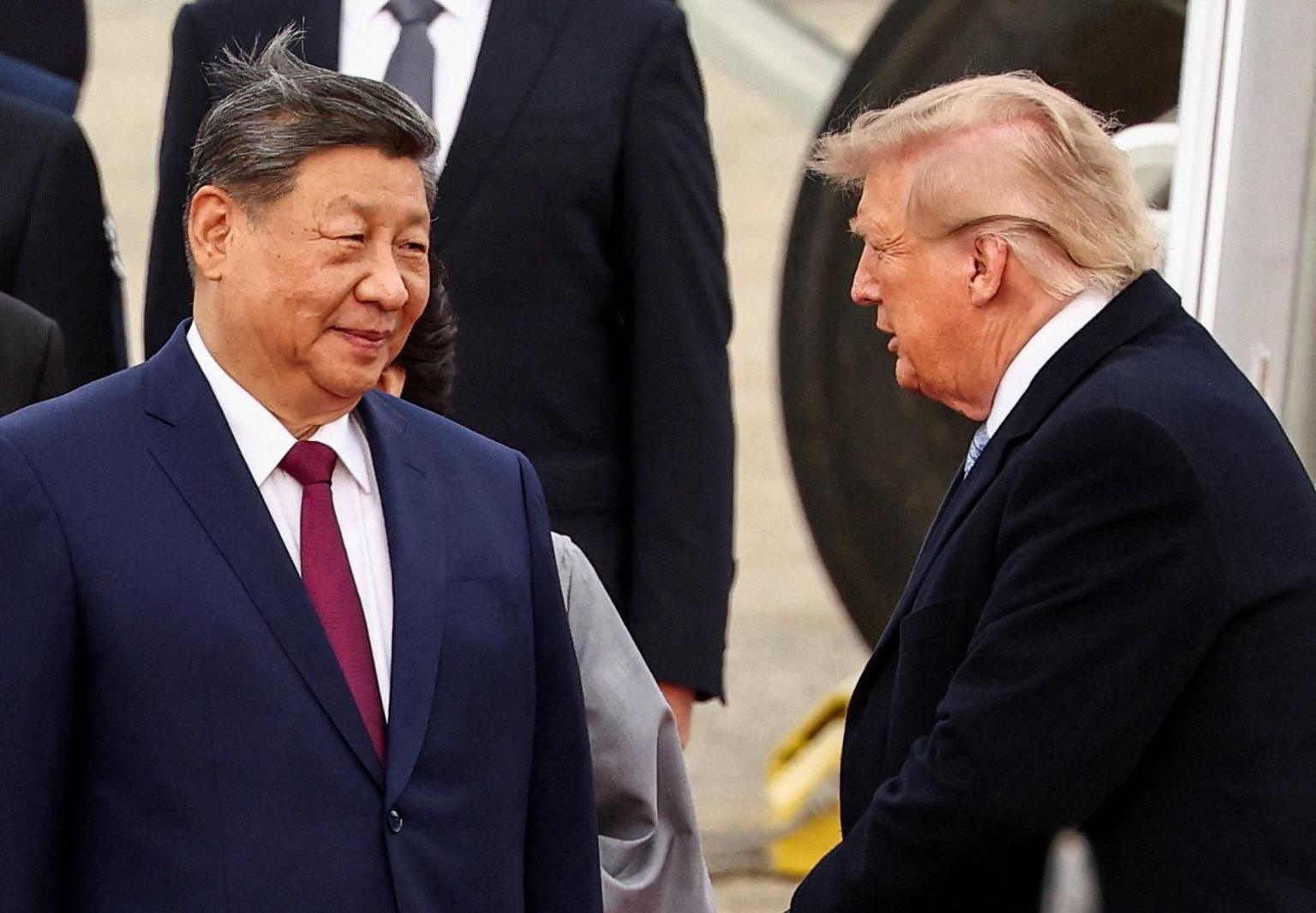
By late September the former president and the Chinese paramount leader concluded a week‑long visit that produced more talk than tangible policy swaps. Both sides released separate accounts, hinting at a wariness that underpins even the moments of rapport seen in Washington.
A new AI dialogue and communication channel
China announced an AI safety forum for the two presidents, with a second round slated for November. The goal: an information‑sharing line that could abort misunderstandings before they flare into a larger confrontation. It comes after discussion in Silicon Valley that U.S. companies should slow AI progress and after public revelations of Open AI’s private intrusions into governmental systems.
Trade truce – what was included and what was left out
The Washington and Beijing stories both confirm a brief extension of the trade truce until 10 January. That gives the leaders a pickup point before the upcoming APEC and G20 meetings. In the agreement China cut tariffs on about $30bn of goods entering the U.S., covering items from toys to Christmas decorations. Beijing also pledged to buy a minimum of 10 million metric tonnes of coal in 2027‑28. However no language on increasing rare‑earth exports or easing U.S. semiconductor restrictions surfaced.
The U.S. left out Taiwan – but China didn’t
The White House factsheet made no mention of Taiwan, a classic omission. Beijing’s briefing held the island at the front page, asking the U.S. to make a firm trade‑off if China ever used force. Trump’s own comments were bland and indirect, while Chinese officials voiced a clear wish for the U.S. to stand by the island as a deterrence measure. The silence, therefore, may itself carry weight.
China may be opening the investment doors
The Chinese side said it will allow more U.S.‑backed banks, insurers and investment firms to set up shop, but approvals will still be filtered through domestic rules. Long‑standing concerns about licensing and exit bans will likely persist. China also floated greater flight frequencies, though practical details remain nebulous. The U.S. travel advisory still flags caution, even as China offers visa‑free access to many nations.
So what do we know?
The summit produced more conversation than concrete policy shifts. High‑tech provision, maritime security and trade remain top‑line riddles. Yet the promotion of communication channels and the small trades concessions reflect a shared desire for stability, even if both leaders remain unwilling to make deep compromises.