In brief
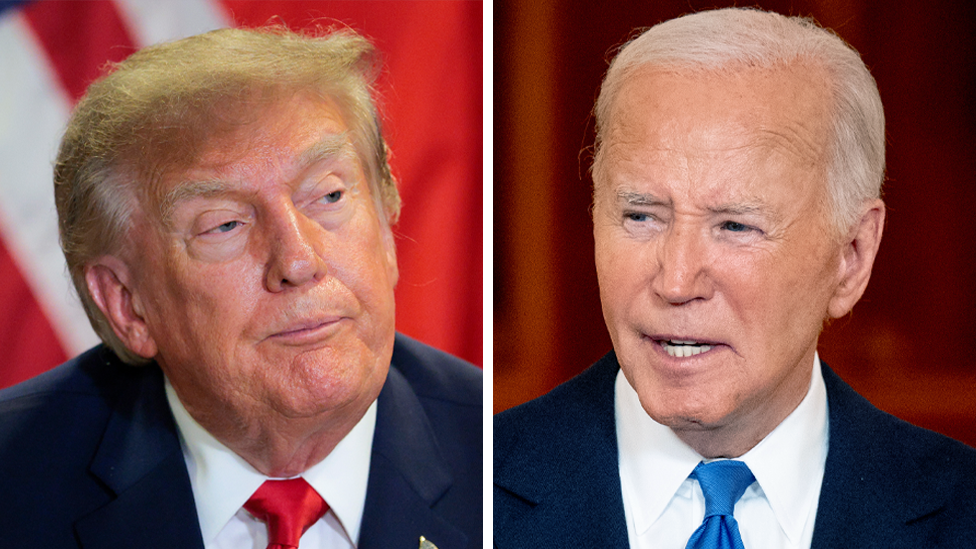
In the run‑up to the 2026 mid‑term elections, President Donald Trump must address a cost‑of‑living crisis that has held inflation stubbornly high. Despite solid GDP growth of 2.2 % and low unemployment at 4.2 %, prices at the grocery store and for gas continue to rise, largely driven by oil price shocks, trade tariffs and regional conflicts. Voters judge the economy by the impact on their wallets rather than headline statistics, a sentiment that also challenged Joe Biden in 2024. Trump’s administration has highlighted tax cuts, job growth and prescription‑drug cost reductions, while proposing new measures such as credit‑card‑rate caps and a $5,000 stimulus if Republicans regain control of Congress. Whether these policy signals will sway public opinion remains to be seen, as historical patterns suggest perception can outweigh solid economic fundamentals.
Donald Trump’s campaign platform included promises to cut inflation, but recent data suggests that the cost of living remains stubbornly high.
Despite GDP growth of 2.2 % and an unemployment rate of 4.2 %, consumers continue to feel the pinch as food, fuel and household goods keep adding to household budgets.
Trump attributes the inflationary pressure to a combination of rising energy prices – sparked by tensions in the Middle East – and trade measures such as the “Liberation Day” tariffs that, according to a Federal Reserve study, bumped consumer‑goods prices by almost 3 %.
In 2024, Joe Biden’s administration faced a similar narrative: solid statistics could not convince voters that their everyday life was improving. Voters measure the economy through the price of a loaf of bread or a gallon of gasoline rather than through macro‑economic indicators.
Trump’s advisers point to stock‑market gains, sustained job creation, and lower prescription drug costs as evidence that his agenda has delivered for families. Yet the gap between headline growth and rising personal expenses has led to a sharp decline in the public’s assessment of the economy.
Politicians have responded with proposals that directly target consumers: a promotion of a cap on credit‑card interest rates, a $5,000 payment to adults if Republicans keep control of Congress, and a renewed focus on manufacturing and supply‑chain resilience.
Historical patterns show that electoral outcomes often hinge on economic sentiment rather than objective data. In the months leading up to the mid‑terms, the key question will be whether Trump can convince voters that his policies will translate into lower day‑to‑day expenses, as he did promise during his campaign.