In brief
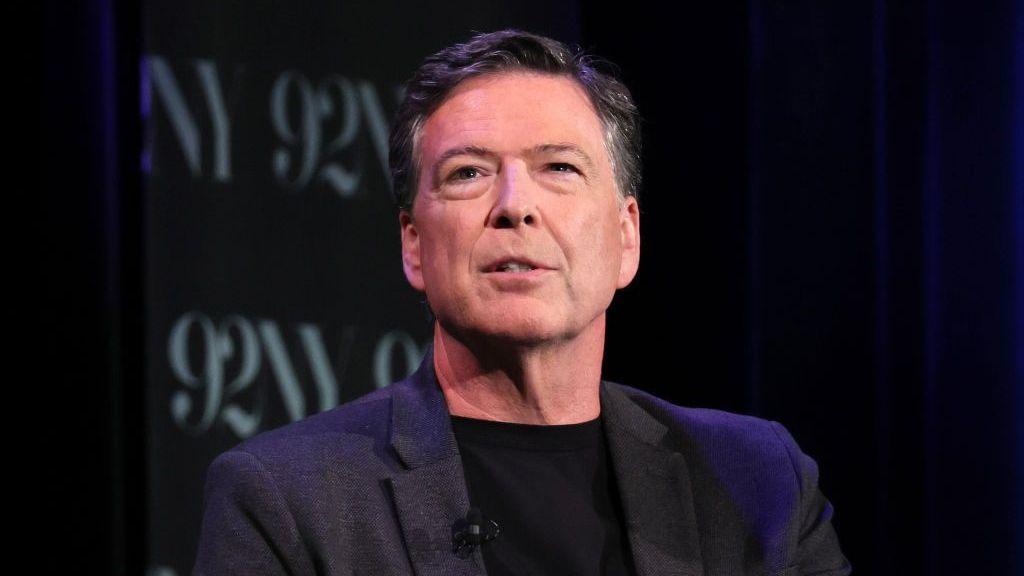
In a fresh federal filing, prosecutors charge former FBI director James Comey with two counts of leaking national defence data, citing an alleged disclosure to the New York Times in 2016. This is the third set of criminal claims against the former director, who has been a long‑time critic of former President Donald Trump. Comey's lawyers label the charges as politically motivated and are moving to dismiss them, arguing the statute of limitations has expired. The case adds to a series of legal battles involving Comey, his daughter, and the Trump administration.
Federal prosecutors have formally charged former Federal Bureau of Investigation (FBI) director James Comey with leaking national defence information, according to a three‑page court filing released on Wednesday. This marks the third time the Justice Department has moved to bring criminal charges against the former director, whose outspoken criticism of former President Donald Trump has made him a frequent target of litigation.
The filing alleges two counts of unlawful disclosure of classified material. Comey’s lawyers say the case stems from an October 2016 interview with the New York Times, where the ex‑director is accused of revealing details about a confidential military operation. No specific allegations are outlined, but the prosecution claims the information was national‑security sensitive.
In a video posted on Substack earlier this week, Comey denied wrongdoing and described the new charges as an “appalling abuse” of the Department of Justice. He warned that the legal system could become numb to political retaliation if such prosecutions continue.
Legal Context and Previous Cases
Comey was previously charged in September 2025 by a federal grand jury with lying to Congress and obstructing a congressional proceeding. He pleaded not guilty and the case was dismissed in November of that year. In April 2026, he faced charges related to an Instagram post that prosecutors claim contained a threat to the former president.
The current indictment is issued through a criminal information, a formal written notice filed directly by the prosecutor, and does not require grand‑jury approval. A senior DOJ official noted that earlier investigations in the Trump administration found no evidence to charge Comey, suggesting the current filing may be politically motivated.
Legal experts point out that the alleged disclosure dates back more than ten years, raising questions about the statute of limitations. Former federal prosecutor Glenn Kirschner told the BBC that the charges could be dismissed on that basis, giving the motion a strong chance of success.
Broader Implications
Comey’s case follows a broader pattern of high‑profile prosecutions linked to former President Trump’s political allies and adversaries. The same day the charges were announced, a federal judge ruled that the Trump administration had illegally fired Comey’s daughter, Maurene Comey, ordering her reinstatement and back pay. These developments underscore the complex interplay between the DOJ, the judiciary, and political actors.
The U.S. public and legal observers remain divided about whether the prosecutions against Comey are grounded in legitimate law or serve partisan objectives. The outcome of the current case will likely influence future disputes involving former officials and the balance of power between executive influence and judicial independence.
Comey’s legal team is moving to dismiss the charges, citing both procedural deficiencies and the lack of clear evidence. The court will decide whether the alleged leak meets the statutory definition of a protected offense and whether the timing of the filing complies with the 10‑year statute of limitations.