Trump’s Hormuz Toll Proposal Signals Stalled End to Iran Conflict
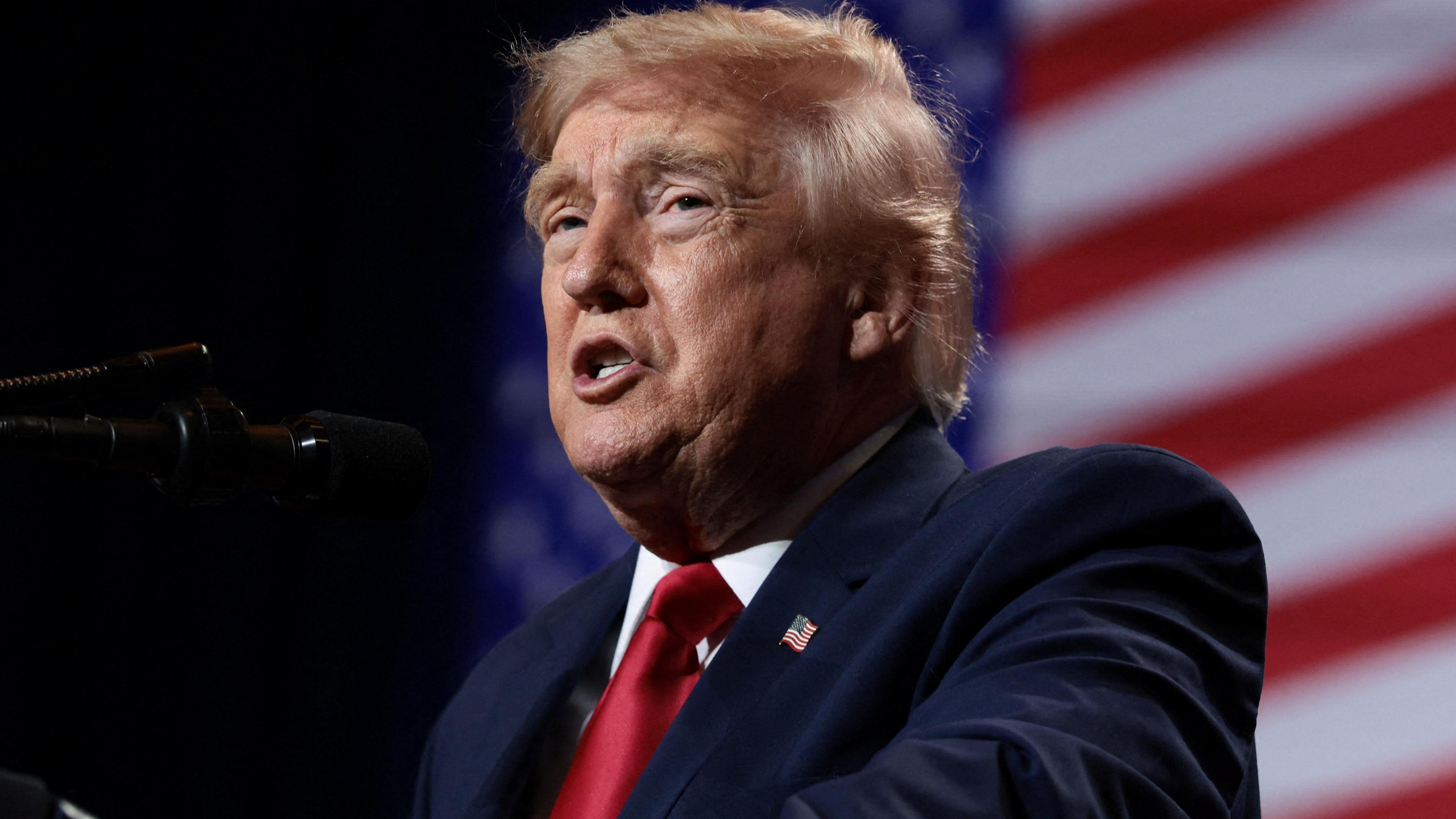
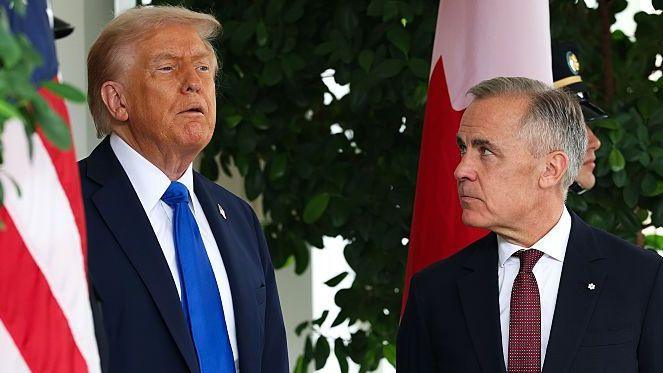
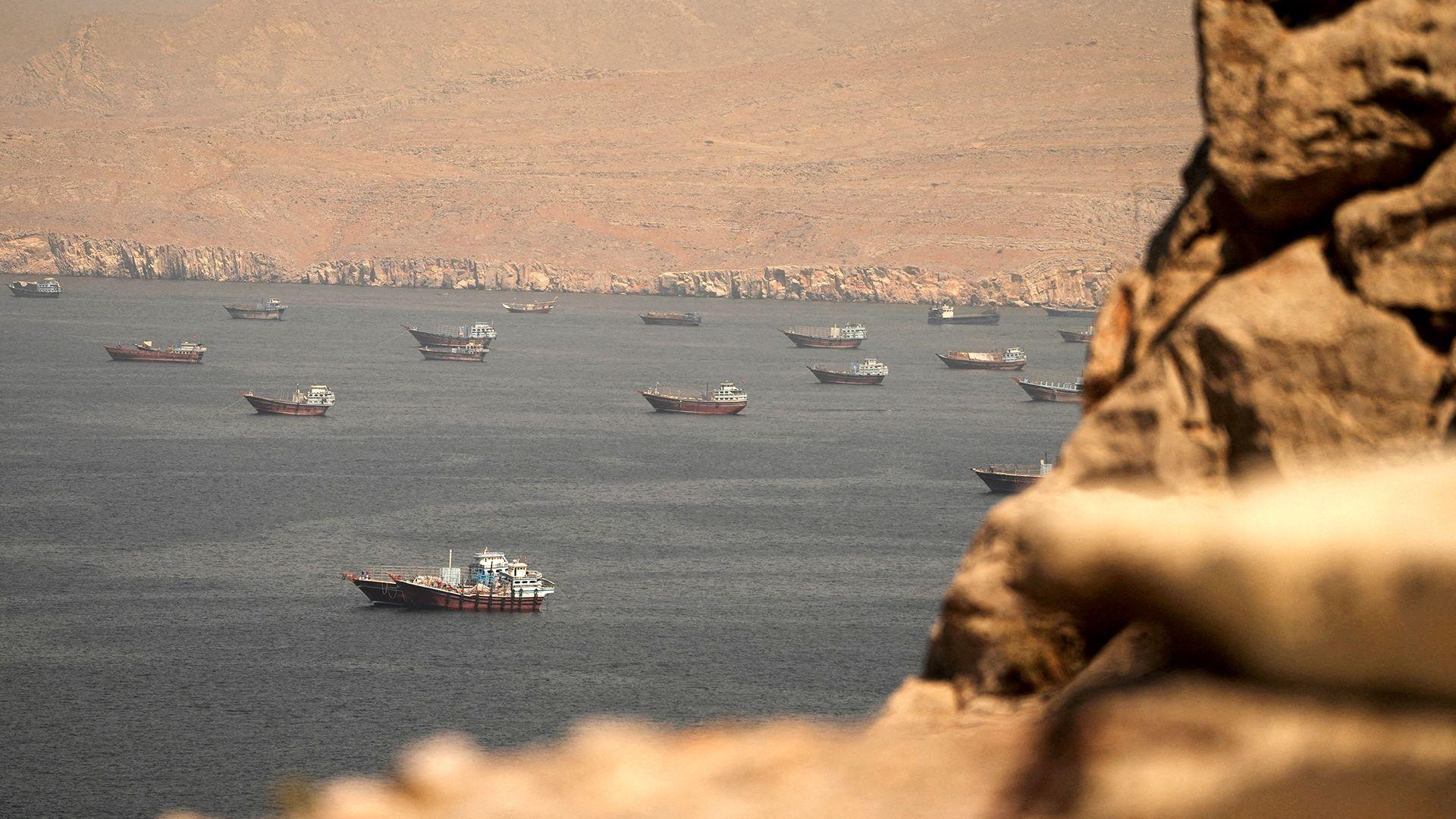
On Monday, President Donald Trump announced a 20 % tax on all vessels, including those of U.S. allies, transiting the Strait of Hormuz. He framed the fee as a reimbursement for “the security work necessary to safeguard” the critical choke‑point.
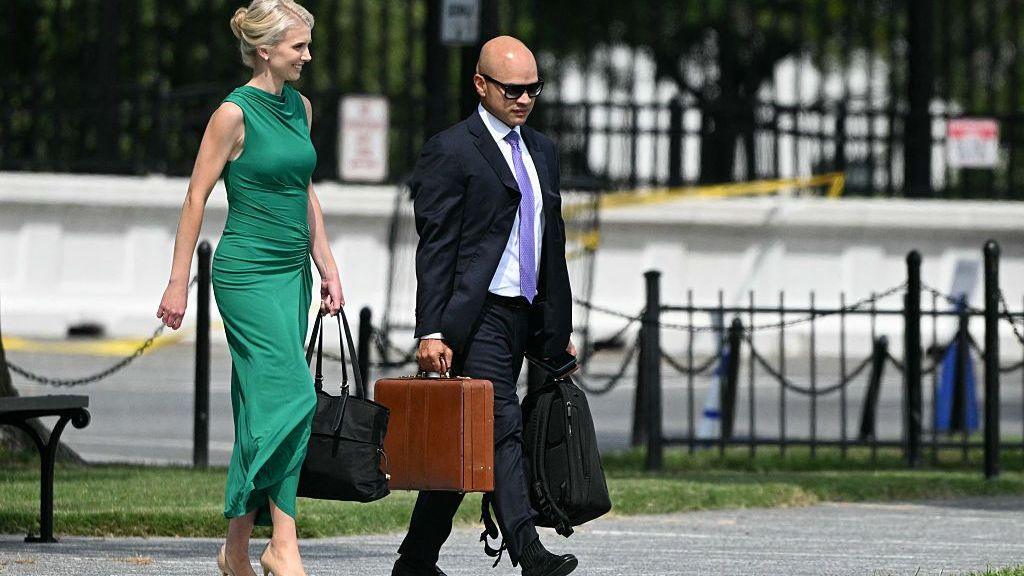
The move comes after the former U.S. president had previously stoked the idea as a means to negotiate better terms in the ongoing conflict, which has persisted for more than four months. In contrast, Secretary of State Marco Rubio and other officials previously condemned any toll proposal, citing international law that forbids fees on navigational routes.
The MOU and Its Collapse
The U.S.–Iran memorandum of understanding had called for a temporary cease‑fire, the peaceful management of shipping in Hormuz without charge, and a large‑scale investment in Iran with the removal of sanctions. Those provisions were seen as a path to a lasting settlement.
However, the most recent American blockade and the oil strike surge have effectively shattered the agreement. Iranian operators responded with increased attacks on U.S. vessels and American allies, stalling commercial traffic and forcing the U.S. to readvance its maritime blockade.
Economic and Political Cost of Escalation
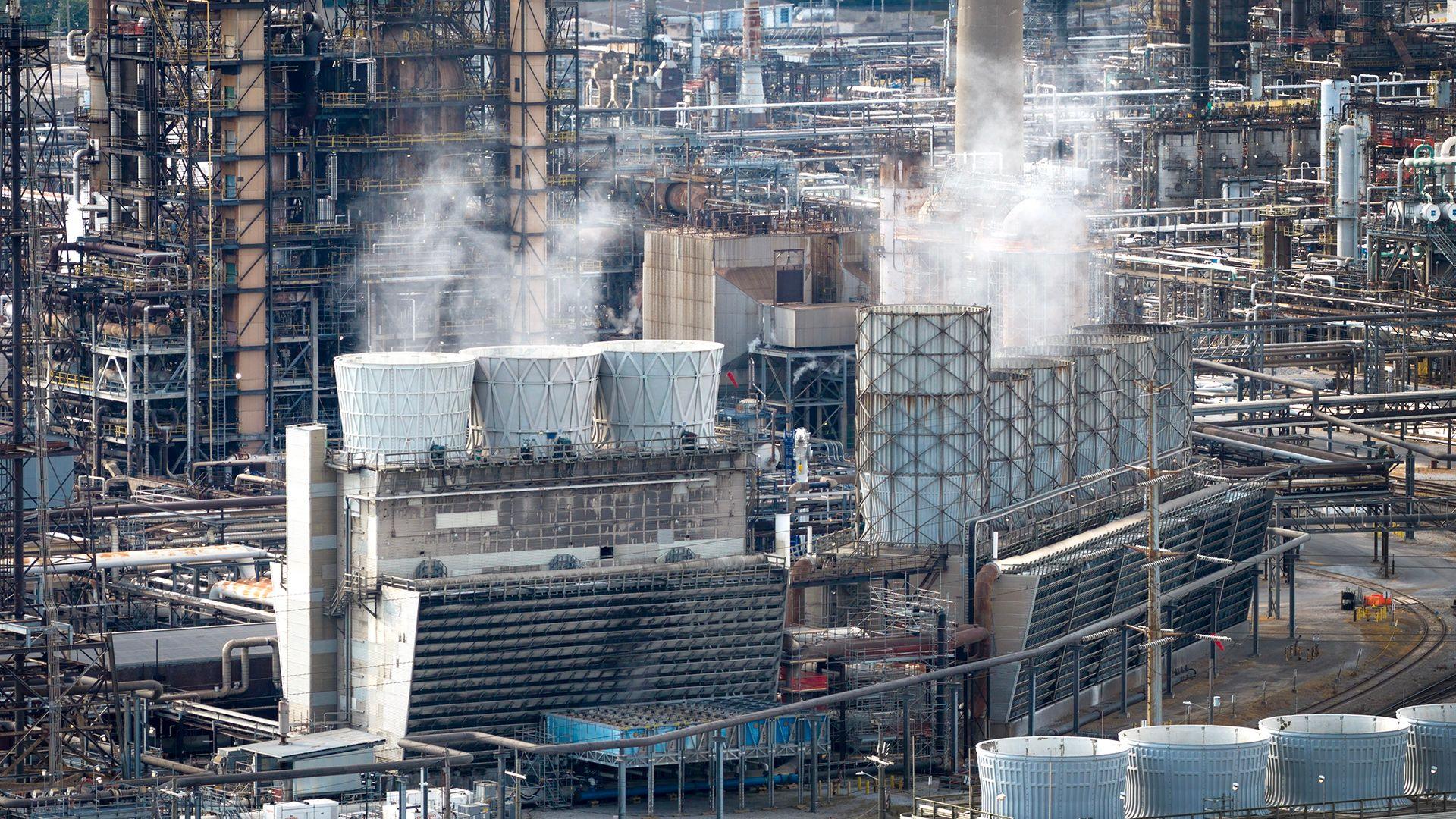
The re‑establishment of the blockade saw U.S. crude prices surge by almost ten percent in one day, pushing the market toward pre‑war levels and threatening to reverse the favorable consumer‑price trend that had emerged earlier in the month. Politically, this move has placed the administration in a delicate position ahead of mid‑term elections, as any further escalation could drive oil prices higher again, inflating domestic costs for Americans.
On the other side, the Iranian regime remains unable to overtly defend its maritime sovereignty; it could still deny safe passage through Hormuz, a choice that would cut off the regime’s essential oil revenue and deepen its economic weaknesses.
The Path Forward
For Trump and the administration, the options are limited: either restart a high‑intensity military‑strike campaign or return to talk. Analysts suggest that the U.S. military’s war‑in‑a‑wheeze strategy has reached a point where it lacks leverage; with the MOU dissolved, diplomatic initiative would hinge on creating a new, more specific framework that directly addresses the Strait’s security and the nuclear question.
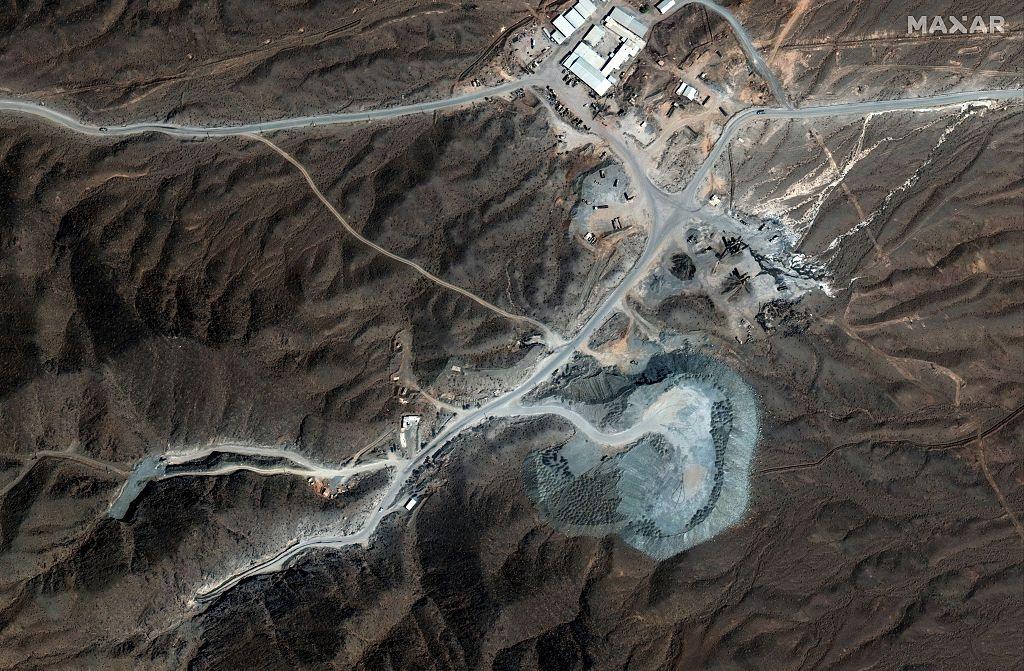
Military targets such as the Pickaxe Mountain nuclear research camp are on the table, but their effectiveness remains contested. The United States and its Gulf allies may need to adopt a different stance, one that guarantees safe passage through Hormuz in return for Iranian compliance, while also sanction‑adjusting and re‑engaging the regime on its regional ambitions and nuclear activities. Ultimately, the conflict remains a hard‑won, ‑costly stalemate that could persist unless both sides commit to a new arrangement that more clearly addresses the core security concerns of the great players involved.