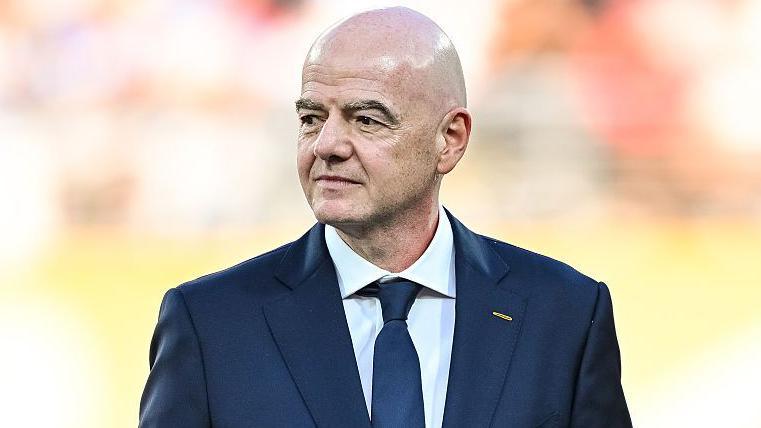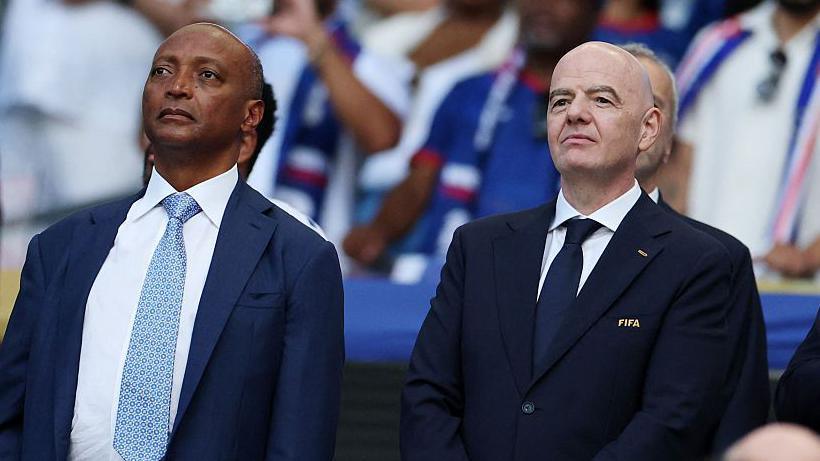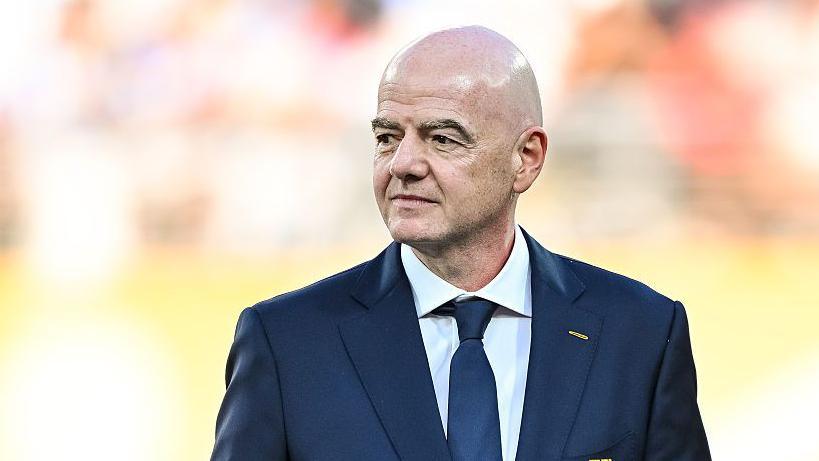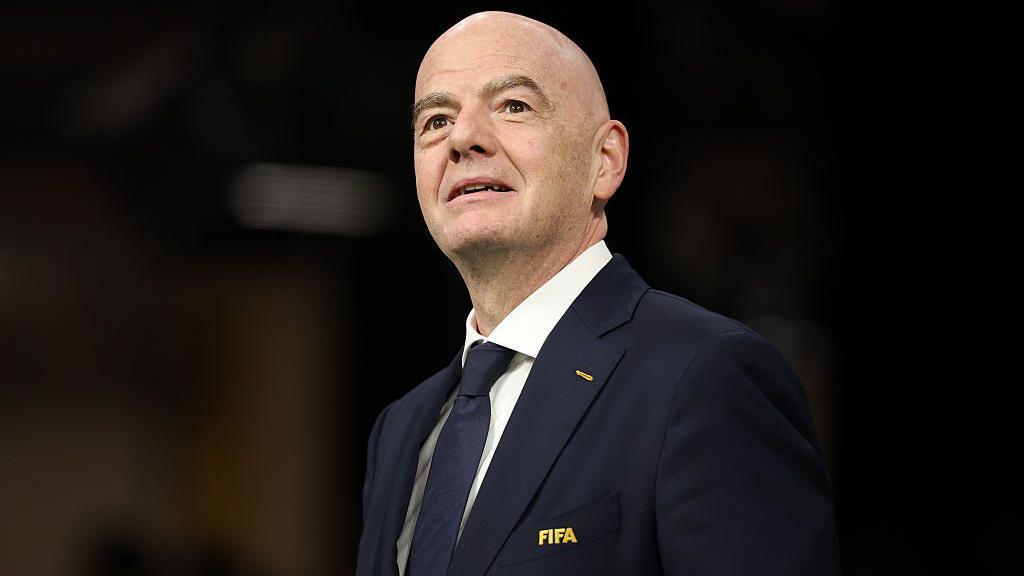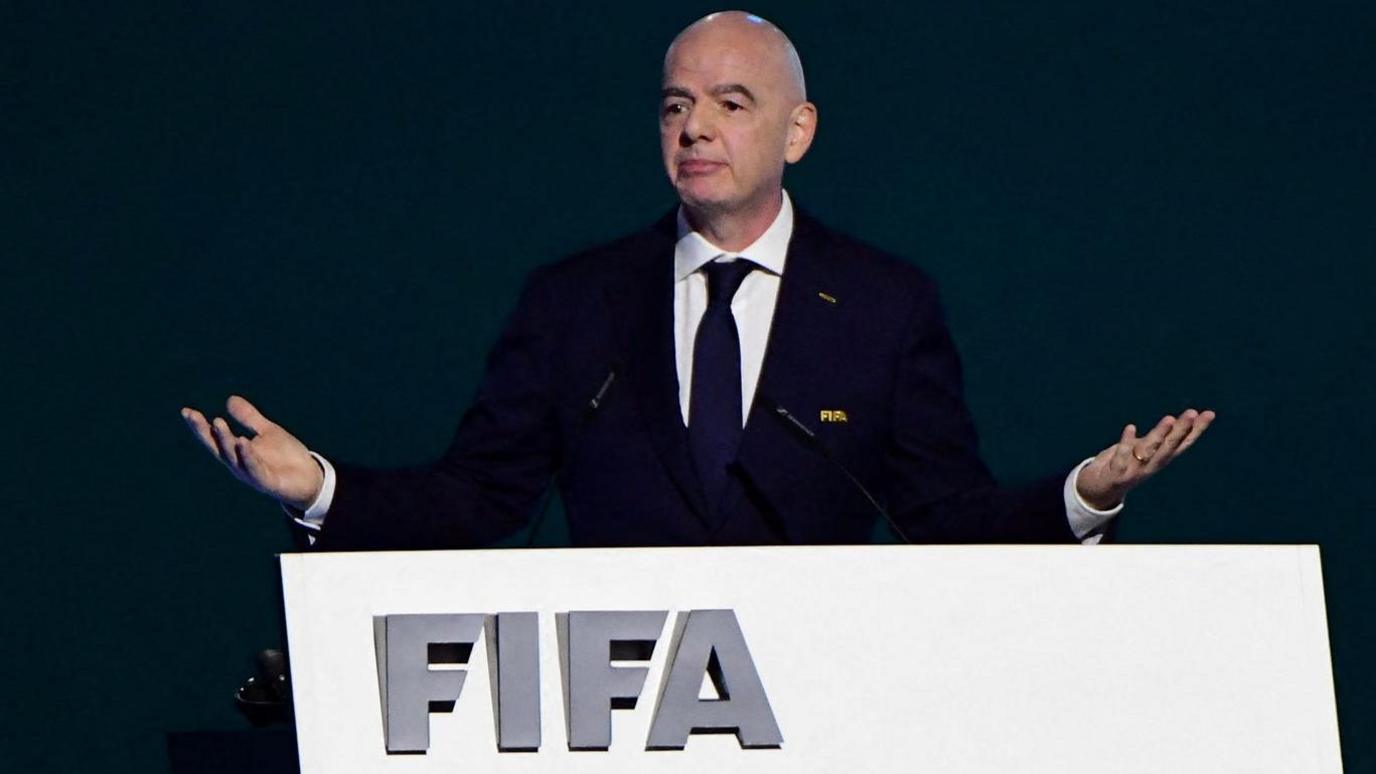
European football’s governing body, UEFA, has declared that if FIFA moves forward with a plan to sell stakes in its flagship competitions to private investors, all European member associations will boycott the sport’s premier tournaments. The decision came after an emergency meeting with all 55 national federations, following the announcement of the controversial proposal by FIFA president Gianni Infantino.
Infantino’s blueprint would create a commercial subsidiary, dubbed Fifa Forward Enterprise. External parties could purchase minority, non‑controlling stakes and contribute an initial €20 million, with a larger tranche promised by the end of October if the plan is adopted. In exchange, FIFA intends to receive significant capital that it says will help maintain its global ambitions.
The football world reacted with swift condemnation. UEFA released two stark statements, describing the proposal as “irresponsible and indefensible” and a “gross abuse of power” that neglected proper consultation with the sport’s stakeholders. The confederation’s president, Aleksander Ceferin, warned that the plan would “entirely change” the structure and calendar of world football, sparking fears of a clash over the sport’s future.
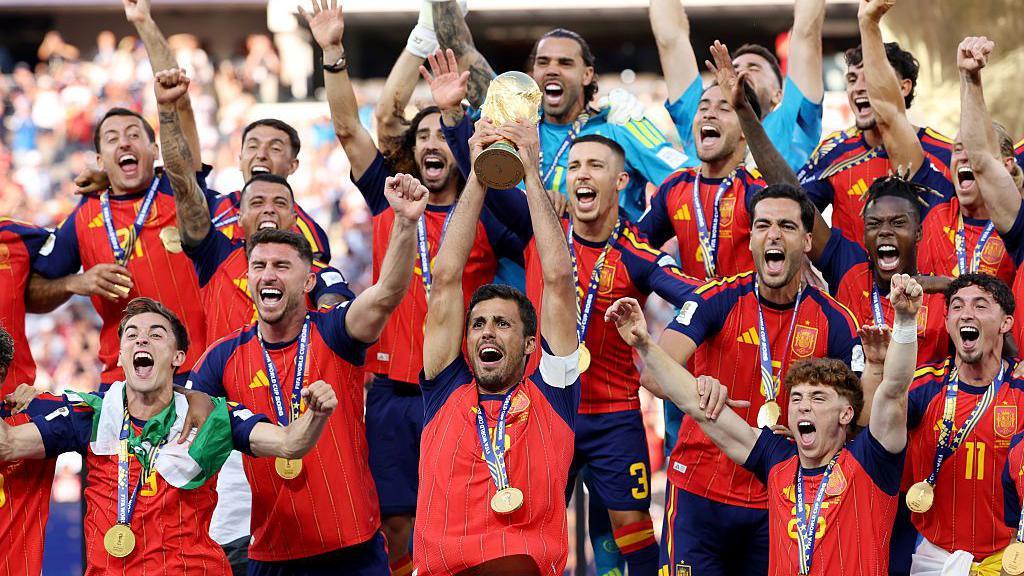
Key national federations, including the English FA and the Scottish FA, echoed UEFA’s stance. They emphasized that the World Cup belongs to football and its fans, not billionaire investors. The UK’s Culture Secretary Lisa Nandy and Prime Minister Andy Burnham also denounced the plan, describing it as a sell‑out of the sport’s heritage.
More than 40 federations outside Europe weighed in. The Confederation of African Football, the Asian Football Confederation, and Concacaf all called for greater transparency and genuine governance. The World Leagues Association and the Premier League have hinted at supporting UEFA’s demands for a withdrawal of Infantino’s proposal, citing the potential harm to their commercial interests.
If the boycott is enacted, the repercussions will be immediate. The Women’s Under‑20 World Cup scheduled for September in Poland will face uncertainty, while the FIFA’s projected private‑investment targeting by October could go unrealised. In the eyes of many senior managers, the risk of a schism would be a lose‑lose for both continents. Former FA chairman David Bernstein summed up the uncertainty, saying Infantino “has to back down” to avoid a divide. He stressed that the global game cannot afford to lose European participation, nor can Europe risk losing its presence in world football if the organisation is never able to secure the needed capital.
The football community is currently watching closely for FIFA’s response to UEFA’s ultimatum. As the clock ticks toward the $20 million deadline on 19 September, stakeholders will have to decide whether the sport’s future is worth the price of its heritage, or whether the monkey–business of selling the World Cup to private owners should be shut down altogether.