President Donald Trump has suggested talks aimed at ending the war in Iran could resume this week, following a collapse in negotiations over the weekend that prompted the US to initiate a blockade of Iranian ports. During an interview, Trump advised his counterpart in Pakistan to remain in Islamabad, hinting that diplomatic developments might occur within the next two days.
The Trump administration has reported that no ships have traversed the recently enforced blockade, which intends to strangle Iran's economic lifelines during a two-week ceasefire period that is nearing expiration. The situation casts doubt on the potential for ongoing peace negotiations.
While Iran has not publicly responded to Trump's remarks, U.N. Secretary General António Guterres has indicated a high probability of rekindled discussions. Reports suggest US and Iranian negotiating teams may return to Pakistan this week, though no specific date has been established.
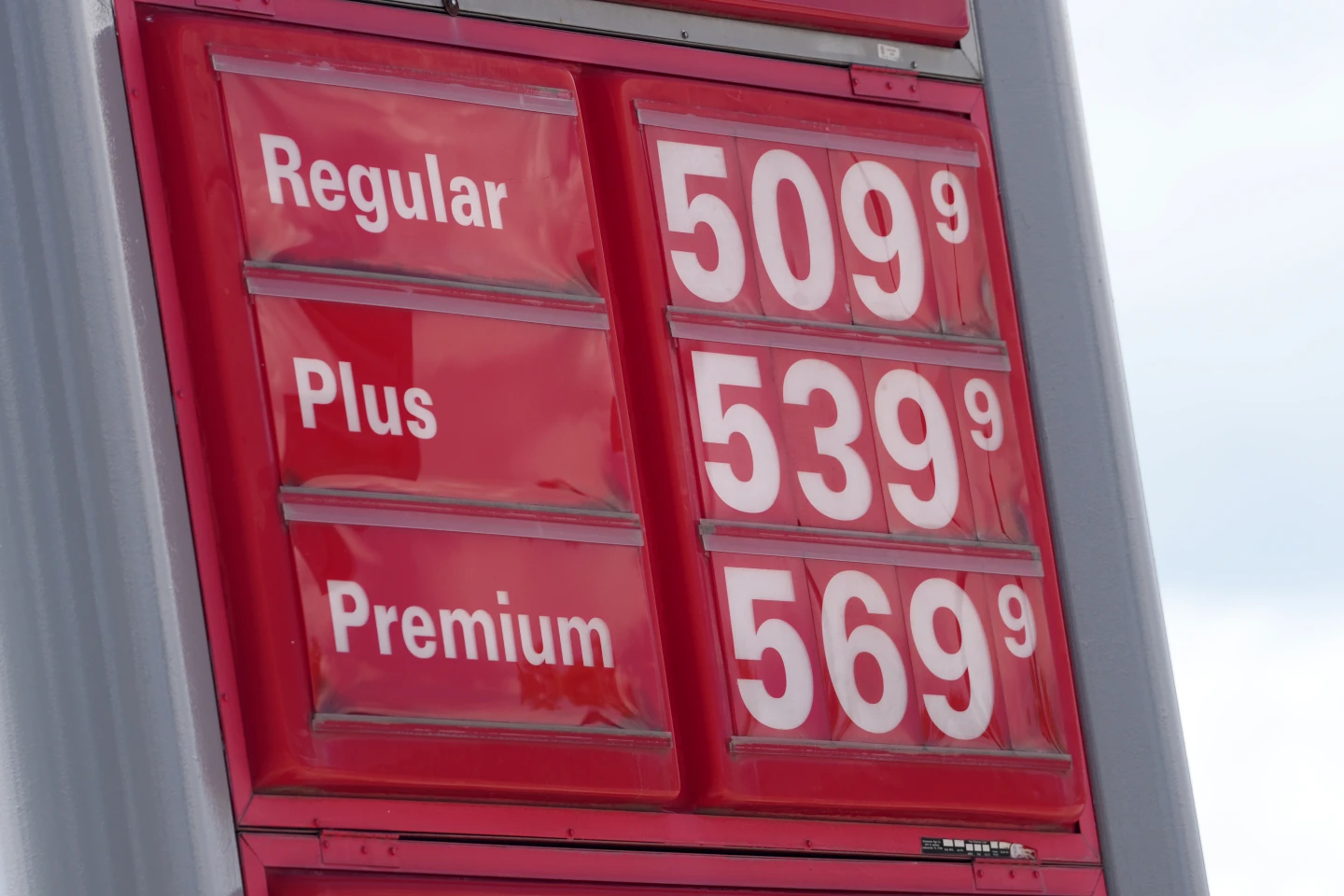
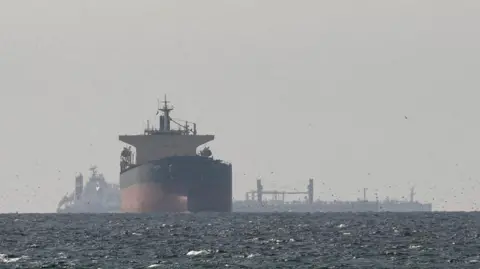
Markets reacted positively to the hope of a diplomatic resolution, with oil prices dropping below $100. In-depth analyses reveal that Iran has effectively shut the vital Strait of Hormuz since facing US and Israeli airstrikes, leading a significant US military presence, including over a dozen warships, to enforce the blockade tightly.
The blockade targets two major economic sources for Iran and aims to curb its influence by restricting oil revenues and tolls associated with maritime traffic in the strategic waterway. Recent US military statements note that merchant vessels have complied with directives to return to Iranian ports amidst the blockade.
Ongoing diplomatic challenges remain evident. Reports detail failed negotiations in Islamabad attributed to disagreements over Iran's nuclear ambitions, with the US proposing a 20-year cessation of uranium enrichment while Iran sought a five-year moratorium. Vice-President JD Vance acknowledged the deep-seated mistrust between the two nations, acknowledging that immediate resolution is unlikely.
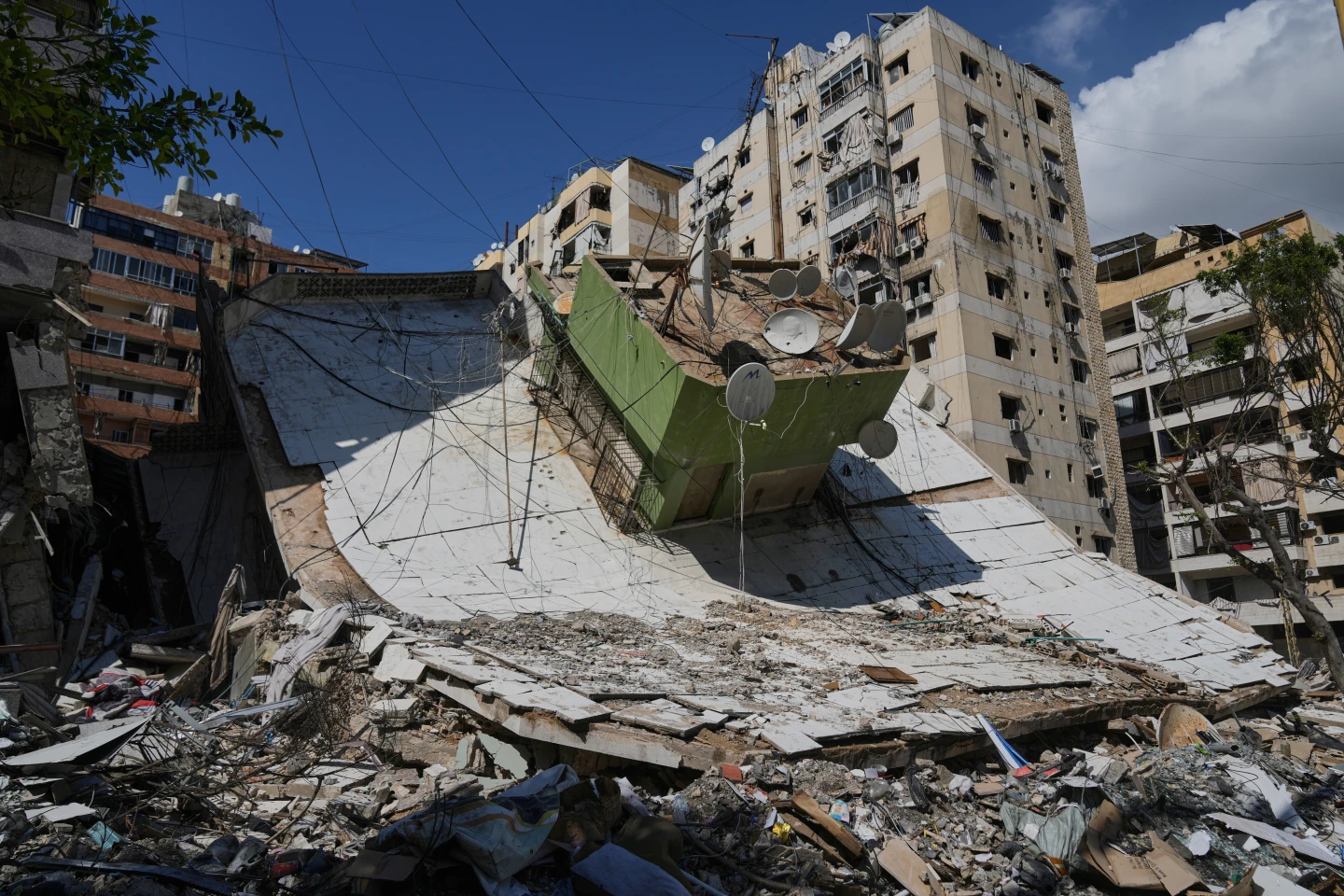
Consequently, while the US asserts that economic sacrifices are warranted for long-term security, critics, including China, decry the blockade as a reckless act, predicting it may further destabilize fragile ceasefire agreements. In a parallel development, Israel and Lebanon have begun direct negotiations after years of tension regarding regional stability and security, adding complexity to the unfolding geopolitical situation.
The Trump administration has reported that no ships have traversed the recently enforced blockade, which intends to strangle Iran's economic lifelines during a two-week ceasefire period that is nearing expiration. The situation casts doubt on the potential for ongoing peace negotiations.
While Iran has not publicly responded to Trump's remarks, U.N. Secretary General António Guterres has indicated a high probability of rekindled discussions. Reports suggest US and Iranian negotiating teams may return to Pakistan this week, though no specific date has been established.
Markets reacted positively to the hope of a diplomatic resolution, with oil prices dropping below $100. In-depth analyses reveal that Iran has effectively shut the vital Strait of Hormuz since facing US and Israeli airstrikes, leading a significant US military presence, including over a dozen warships, to enforce the blockade tightly.
The blockade targets two major economic sources for Iran and aims to curb its influence by restricting oil revenues and tolls associated with maritime traffic in the strategic waterway. Recent US military statements note that merchant vessels have complied with directives to return to Iranian ports amidst the blockade.
Ongoing diplomatic challenges remain evident. Reports detail failed negotiations in Islamabad attributed to disagreements over Iran's nuclear ambitions, with the US proposing a 20-year cessation of uranium enrichment while Iran sought a five-year moratorium. Vice-President JD Vance acknowledged the deep-seated mistrust between the two nations, acknowledging that immediate resolution is unlikely.
Consequently, while the US asserts that economic sacrifices are warranted for long-term security, critics, including China, decry the blockade as a reckless act, predicting it may further destabilize fragile ceasefire agreements. In a parallel development, Israel and Lebanon have begun direct negotiations after years of tension regarding regional stability and security, adding complexity to the unfolding geopolitical situation.