In brief
U.S. Treasury Secretary Scott Bessent has spoken to international media, demanding that allied nations decide whether to participate in a comprehensive sanctions package aimed at crippling Iran’s economic lifelines. Backed by President Donald Trump’s social media threat, the plan would impose “greatest coordinated economic isolation” on the regime. Bessent warned that any country still doing business with Iran would face enforcement of full restraint, effectively making the choice a binary “you are with us or against us” decision. Analysts note that this move could alter the geopolitical balance in the Middle East and signal a continuation of punitive economic warfare. The full details are expected to be announced in an upcoming press conference.
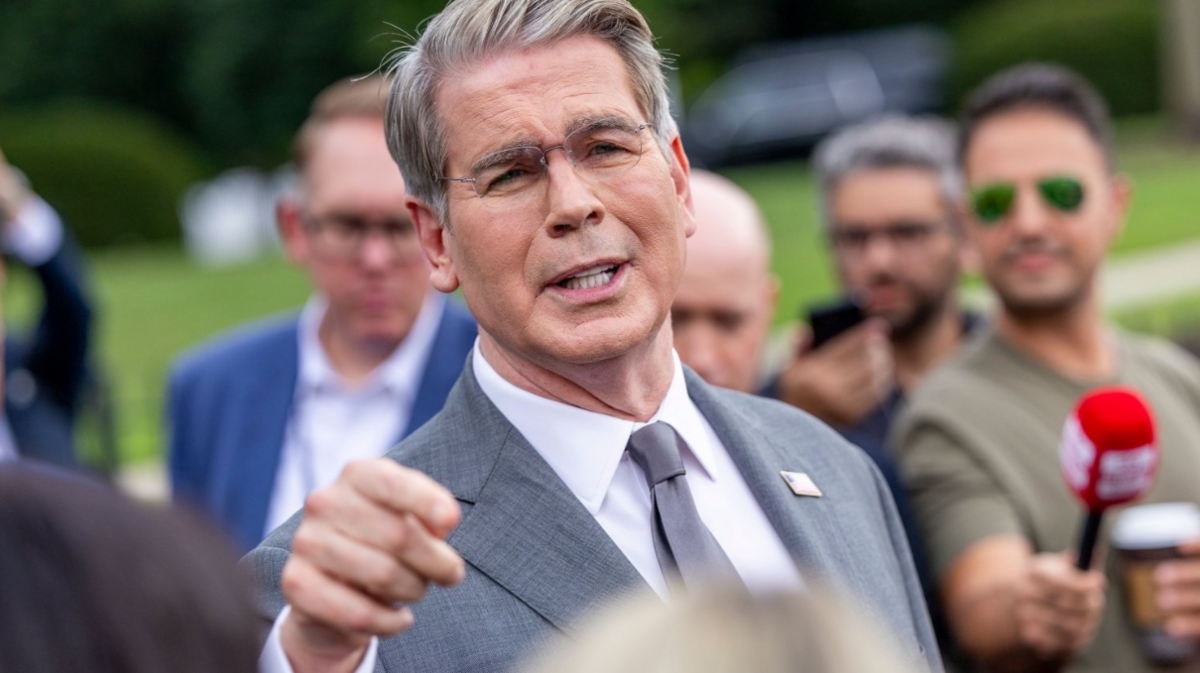
US Treasury Secretary Scott Bessent has urged global partners to align with Washington’s latest strategy to neutralise Iran’s economy.
The statement, delivered on CNBC, followed a tweet by President Donald Trump that suggested countries providing a “lifeline” to Tehran would face the “tremendous economic consequences” of a new sanctions operation.
“It is time for our allies and the rest of the world to make a decision,” Bessent said, indicating that a united effort would be expected to apply the “greatest coordinated economic isolation in the history of the world.”
If nations continue to conduct trade with Iran—by transferring money or purchasing oil—Bessent warned that the Treasury would “put its full might and force” on them, effectively threatening punitive enforcement.
These remarks come after the United States has already imposed a wave of sanctions against foreign banks and firms involved in Iranian trade. Early this year, the U.S. and Israel launched a blocking operation aimed at choking Iran’s revenue streams, a programme that has now been described as “Operation Economic Fury.”
The plan’s proponents say the economic burden will diminish Iran’s capacity for military escalation. Critics, however, argue that the country’s familiar experience with sanctions could mean it will find alternative channels to sustain its war‑fighting and domestic demands.
The Treasury Secretary confirmed that additional details on the sanctions package will be unveiled at a press conference on 24 August, after which the U.S. and allies would need to respond quickly.
For the Iranian public, the immediate consequence is a sharp rise in the cost of living—basic goods have seen a 60% increase over the past year—though local voices claim that the economy will adapt if it can still trade through other avenues.
As the world watches, the unfolding U.S. strategy underscores a continuation of economic warfare with the aim of limiting Iran’s influence while providing a diplomatic ultimatum to its international partners.