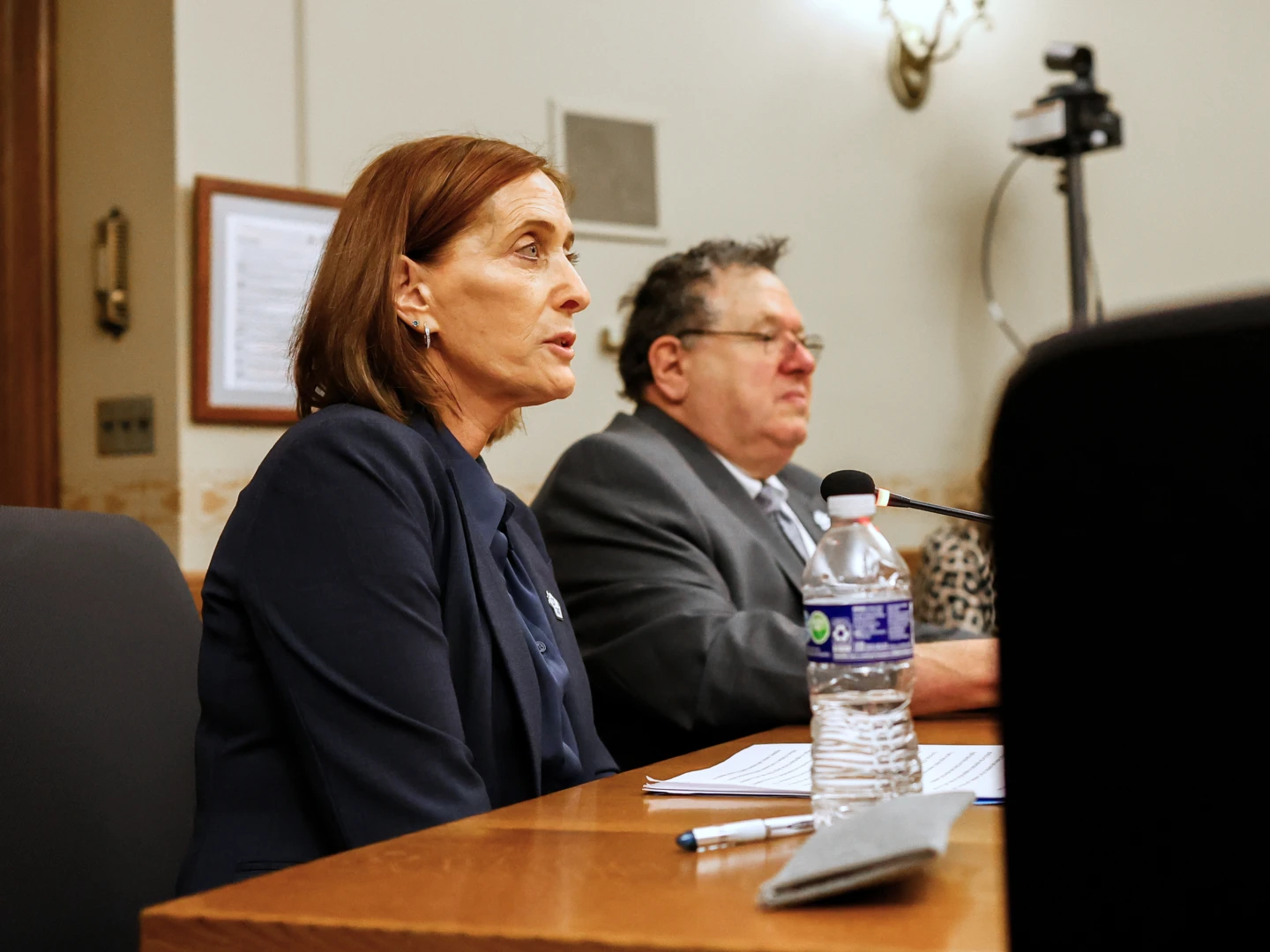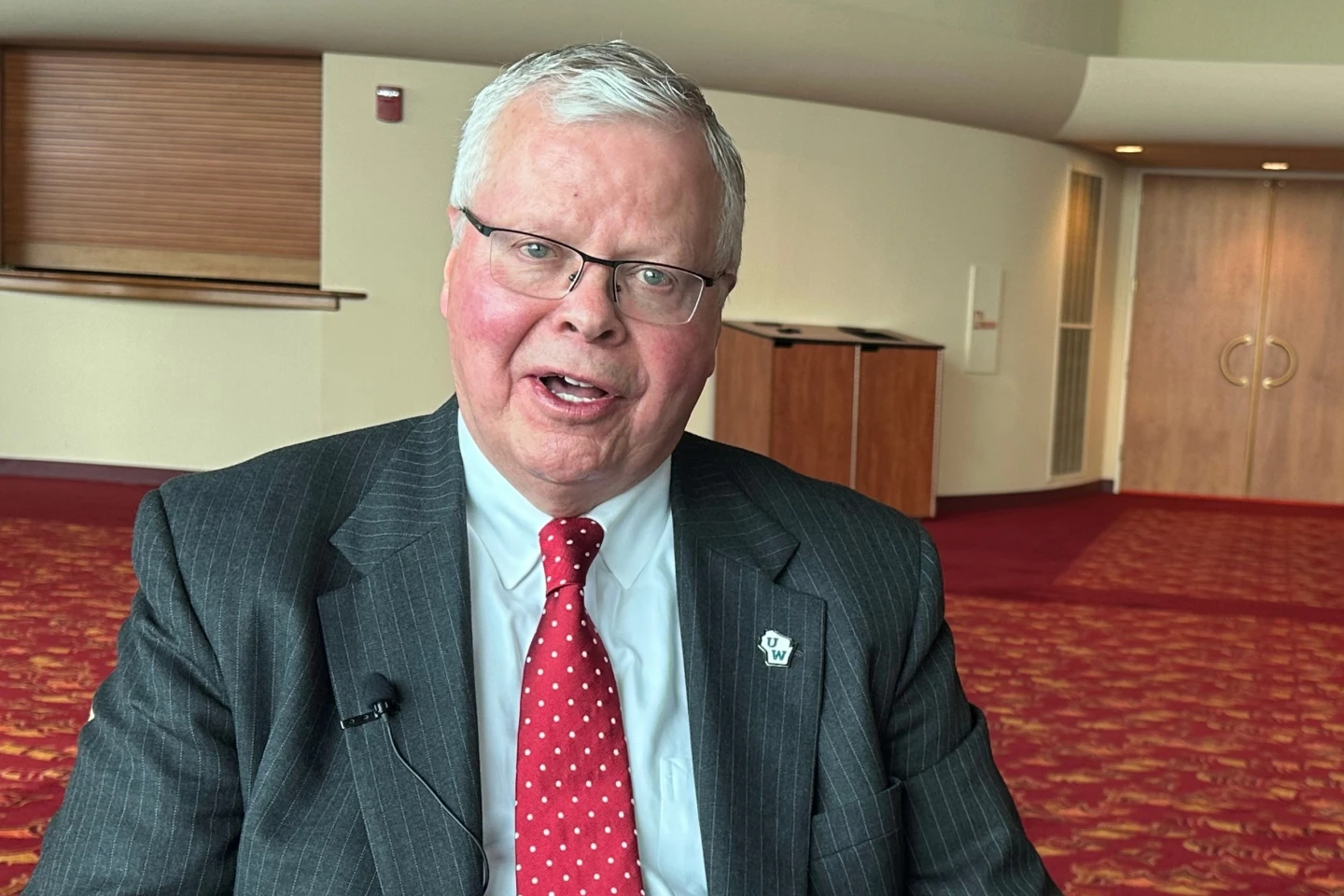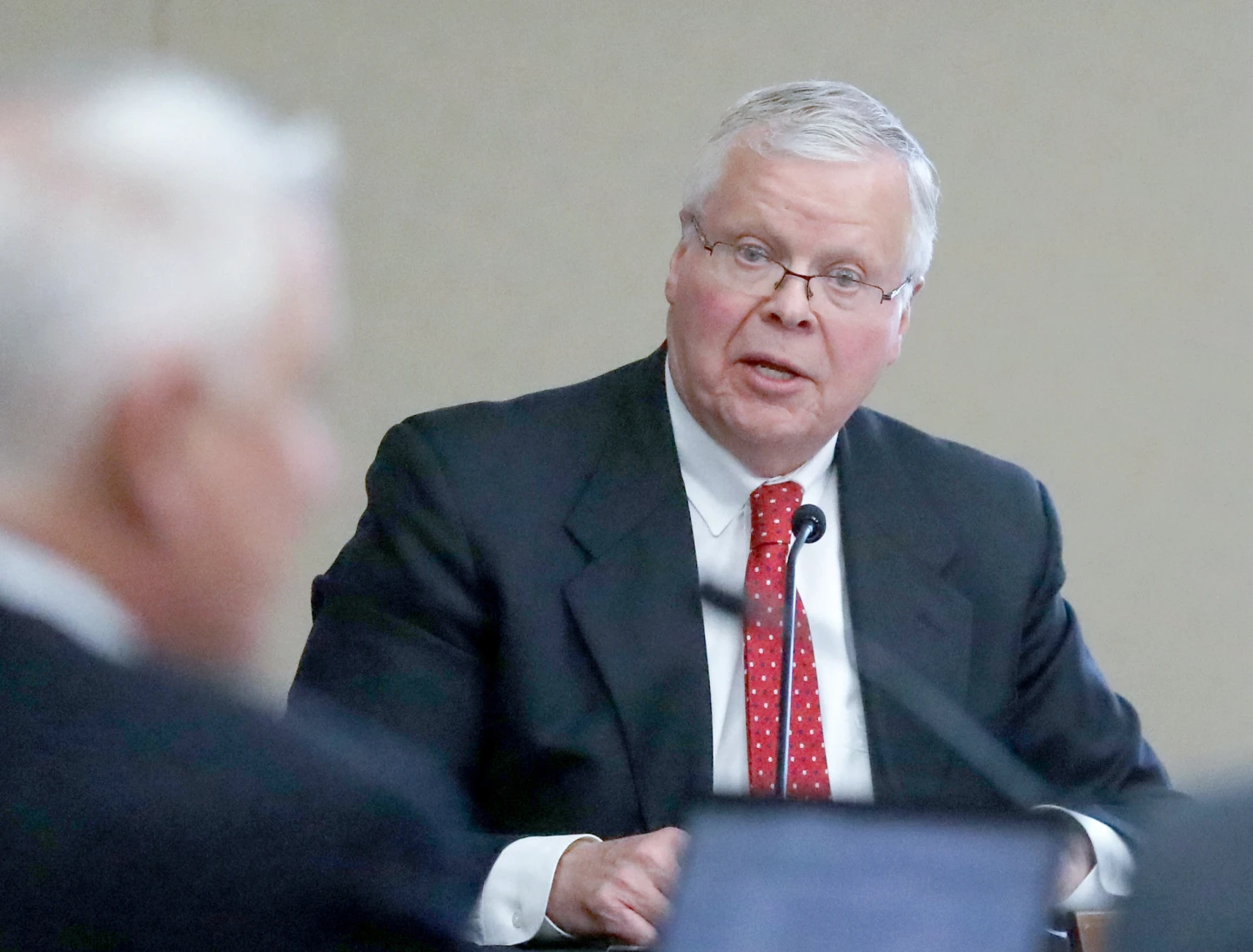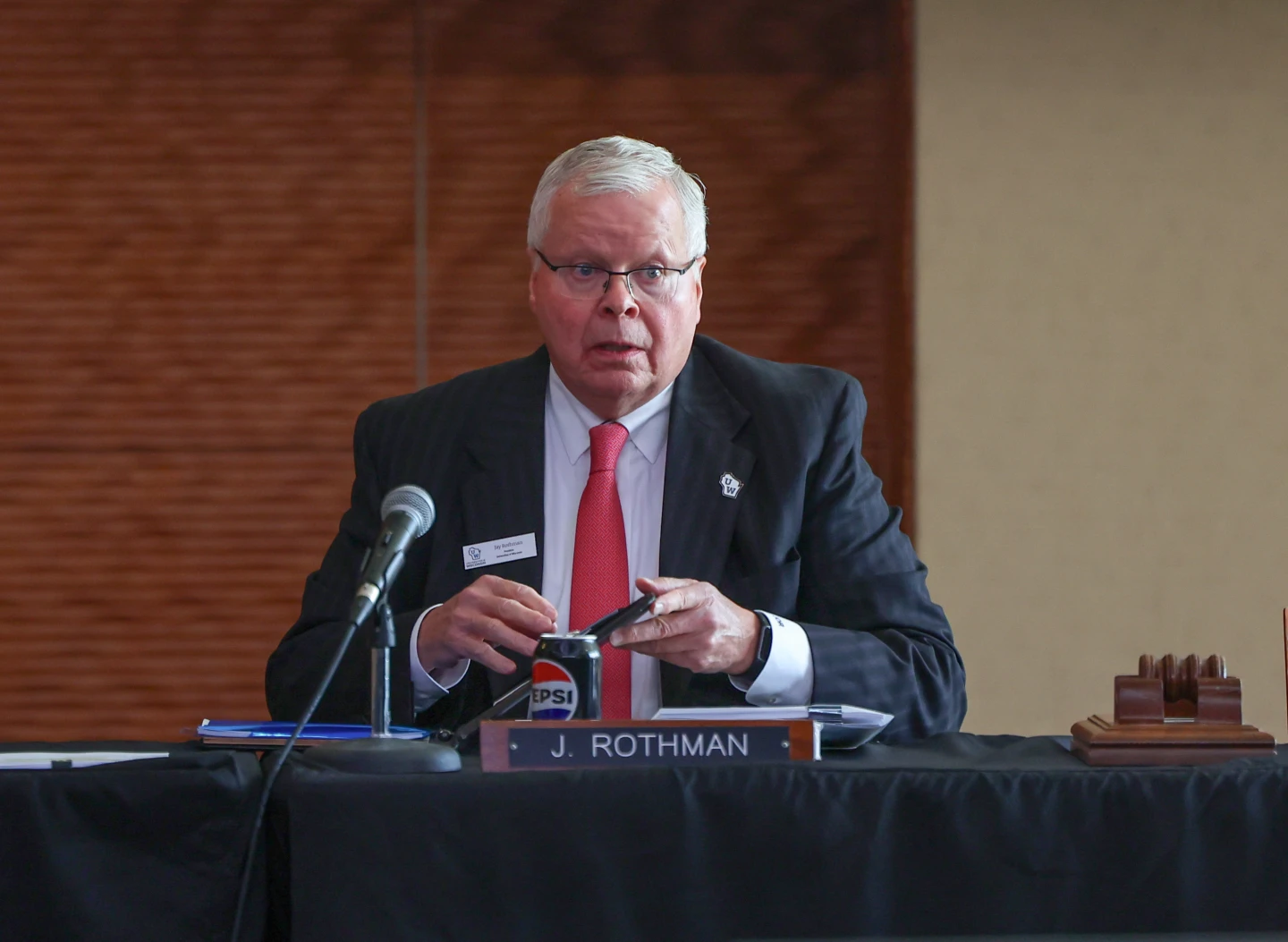
MADISON, Wis. — Jay Rothman, who has served as the president of the University of Wisconsin System since 2022, has publicly stated that he has been directed to either resign or face termination, yet he has not been provided with any specific reasons for this ultimatum.
In a detailed letter addressed to Amy Bogost, the head of the Board of Regents, Rothman expressed his discontent and refusal to resign outright. His letter, dated March 26, makes clear that he believes he has not received any substantive justification for the Board's apparent lack of confidence in his leadership abilities.
Rothman claims that during a recent closed Board meeting, he was told he needed to either retire or resign, or face an imminent dismissal. He described the situation as 'indefensible' and asserted that he was not ready to concede his position 'as a matter of principle.'
According to Rothman, this demand aligns with unsettling trends within the Board, as there have been closed-door discussions regarding personnel changes this week.
Despite the turmoil, Rothman emphasized his commitment to the university's mission, citing efforts during his tenure to enhance state funding following federal cuts, address debates surrounding free speech on campus amidst pro-Palestinian protests, and navigate challenges of declining enrollment that led to eight closing campuses.
He also highlighted pressing administrative transitions, including the upcoming need to replace the chancellor of the University of Wisconsin-Madison, who has accepted a new position at Columbia University.
Rothman's leadership has not come without controversy. In 2023, he hinted at resigning after the Board of Regents rejected a bipartisan agreement linked to diversity and equity efforts. After negotiations continued, the Board reversed its earlier decision and ultimately approved the deal, suggesting a potential push from political influences.
Within the context of this ongoing situation, Rothman noted that his resignation would not serve the best interests of the universities or the state. Furthermore, he remarked on the Board's lack of transparency, stating that individual regents had different perspectives on the matter but failed to concisely articulate their reasons for wanting him out.