In brief
The Wisconsin Board of Regents has publicly rebuffed fired president Jay Rothman's claim of being 'blindsided' by his ouster, emphasizing that his lack of urgency on pressing matters, such as artificial intelligence, influenced their unanimous decision. Regent President Amy Bogost stated that the decision was made for valid reasons, while regent Timothy Nixon highlighted concerns over Rothman's leadership in addressing operational transparency and faculty relations. Rothman's privacy over the dismissal circumstance has sparked further debate as he continues to share his side with the media.
MADISON, Wis. - The Wisconsin Board of Regents has defended its unanimous decision to terminate system president Jay Rothman, stating that he was slow to react to pressing issues such as artificial intelligence, which led to their choice.
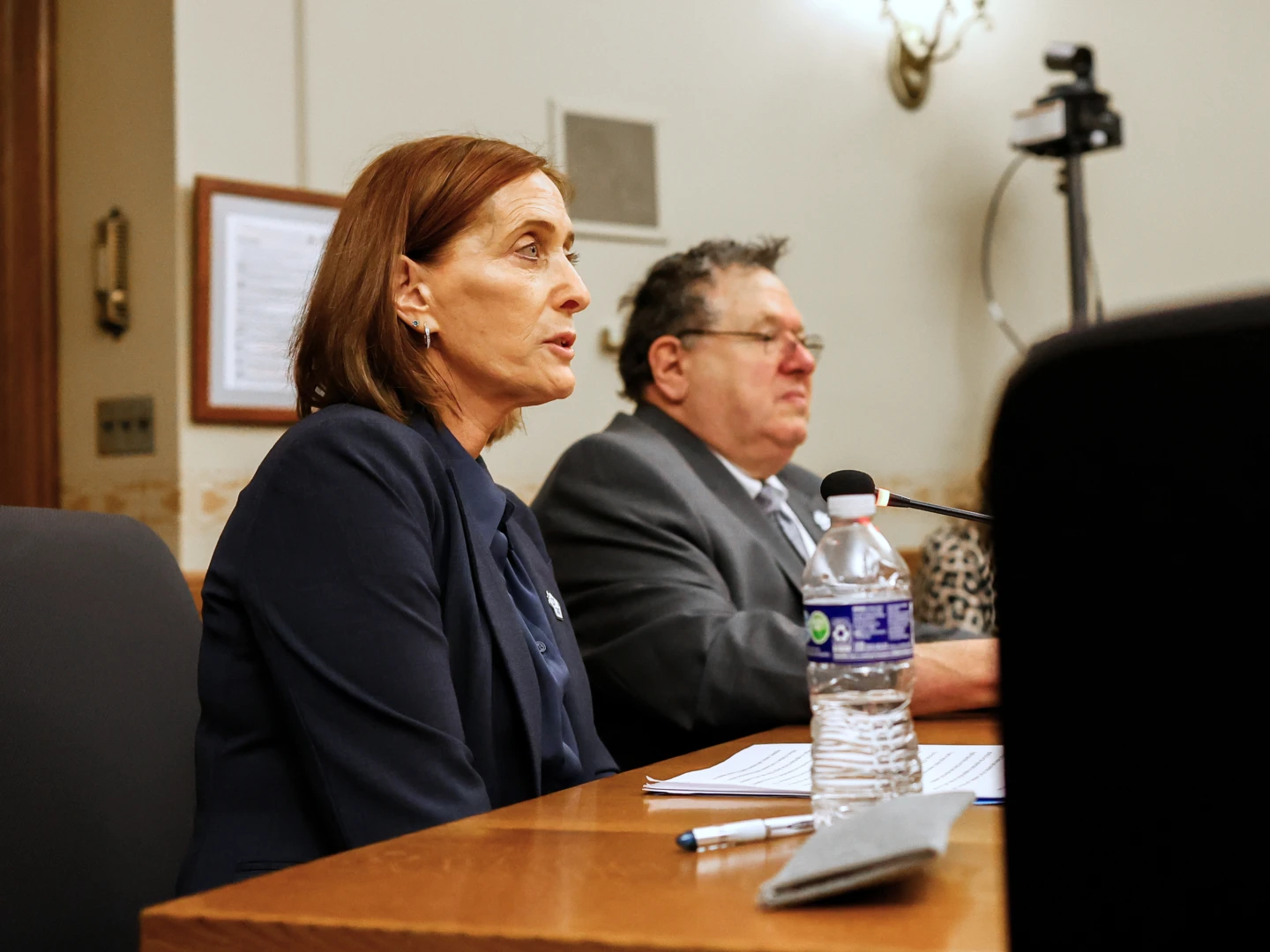
In a public testimony at a state Senate committee hearing, board members emphasized that Rothman was aware of substantial reasons behind the decision despite his claim of being 'blindsided.' Regent President Amy Bogost reassured attendees that the decision was not made lightly or politically motivated, asserting that it was made for the right reasons.
Rothman's unexpected firing took place without prior public discussion during a closed-door meeting. After the dismissal, Rothman expressed his shock, suggesting he had not been informed of the reasons for his firing.
However, the board's testimony challenged Rothman's narrative, asserting his hesitance to engage fully with essential university issues and his attempts to limit external communication. Regent Timothy Nixon criticized Rothman for lacking urgency in justifying the number of system employees and limiting public discussions, thereby affecting board transparency.
Moreover, Nixon pointed out that Rothman's leadership style appeared to prioritize not upsetting faculty or lawmakers over necessary institutional changes. He referred to the circumstances surrounding Rothman's removal as akin to a strategic change in leadership seen in corporate environments.
Amid the ongoing debate, the board reiterated their stance that allegations of retaliatory motives behind Rothman's termination were unfounded, stressing the importance of accountability in addressing the university's needs effectively.
Rothman is invited to waive his confidentiality regarding the personnel decision to provide a more comprehensive narrative; however, he has chosen to maintain his position, suggesting that the board's actions have created a 'one-sided' representation of events.
The discussions around Rothman's departure reflect broader tensions in university governance, especially concerning how leadership aligns with the institution's evolving challenges and the management of public perceptions in higher education.