In brief
The International Criminal Court has issued warrants for Israeli and Hamas leaders, raising issues surrounding its jurisdiction over non-member states and the broader implications for international law enforcement.
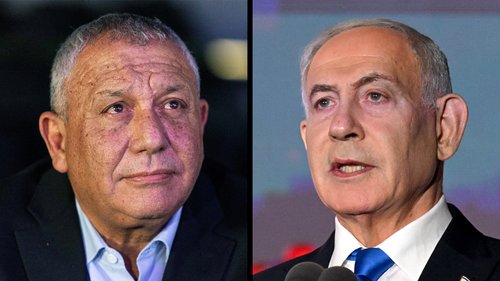
The International Criminal Court (ICC) in The Hague, Netherlands, stirred global discussions this week by issuing arrest warrants for key leaders of Israel and Hamas, amidst accusations of war crimes in Gaza. This situation not only illuminates the court's jurisdiction but also its limitations, particularly given that neither Israel nor Gaza are members of the ICC.The court has charged Israeli Prime Minister Benjamin Netanyahu and his former defense minister Yoav Gallant with potential war crimes, including using starvation as a war tactic. Conversely, the court is pursuing crimes against humanity charges against Muhammad Deif, the head of Hamas’s military wing, regarding the October 7, 2023, attacks in Israel, which include grave offenses such as murder and hostage-taking.With over 120 countries ratifying the Rome Statute, which established the ICC, its mandate is significant; however, notable global powers—such as Russia, the United States, and China—have not endorsed it. These nations do not accept the court's authority, complicating its ability to enforce its warrants. Moreover, while Palestine is recognized as a member state by the ICC, the ongoing non-recognition of Palestine as a full-fledged state by many others underscores the court’s precarious position in geopolitical matters.The warrants have elicited mixed reactions in the international community, reflecting existing polarities in global politics. Proponents of the ICC argue that these actions are essential for accountability, while critics claim that the court’s reach is overreaching, particularly against leaders from non-party states.In conclusion, the ICC's actions represent both a significant legal undertaking to address alleged war crimes and a potent symbol of the challenges faced in enforcing international law in a fragmented geopolitical landscape. The unfolding situation calls for a reevaluation of how international norms are navigated in contexts where statehood and recognition are contentious.