Venezuela Earthquake Aftermath: Local Volunteers Lead Search Amid Slow Government Response
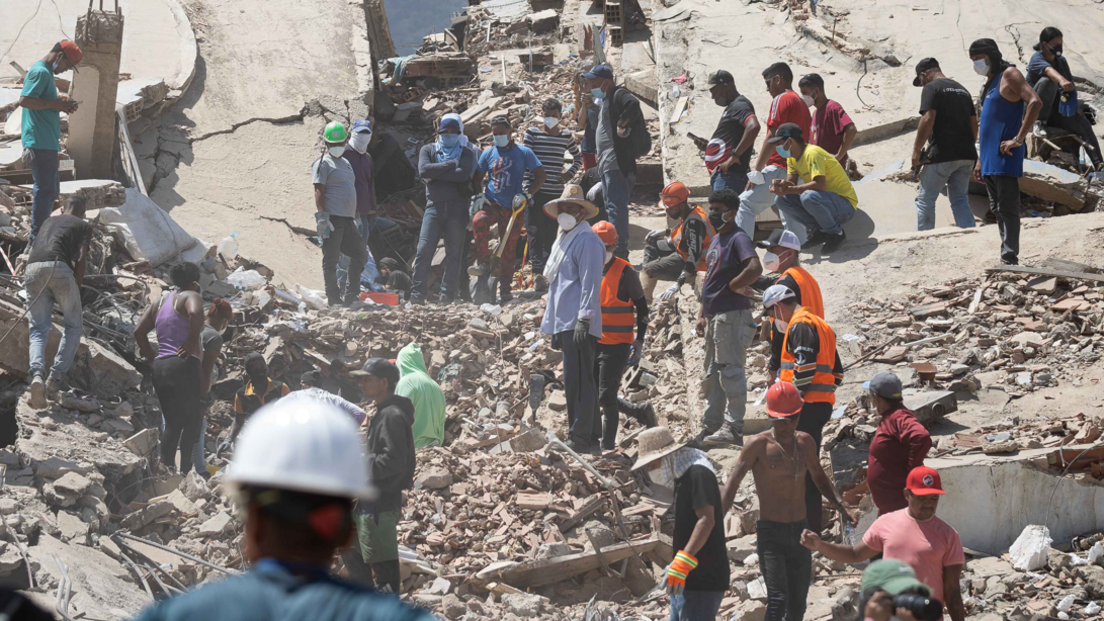
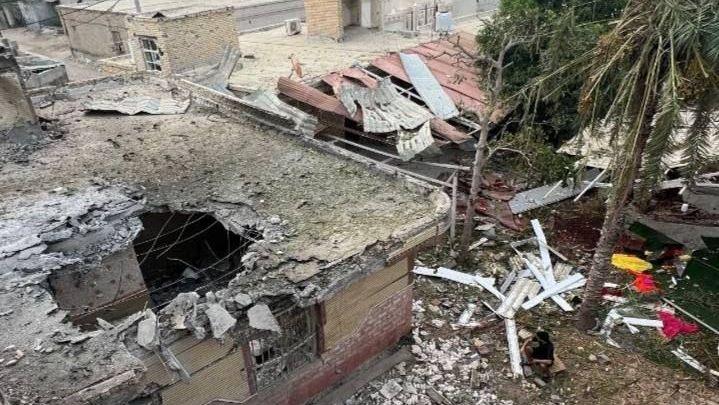
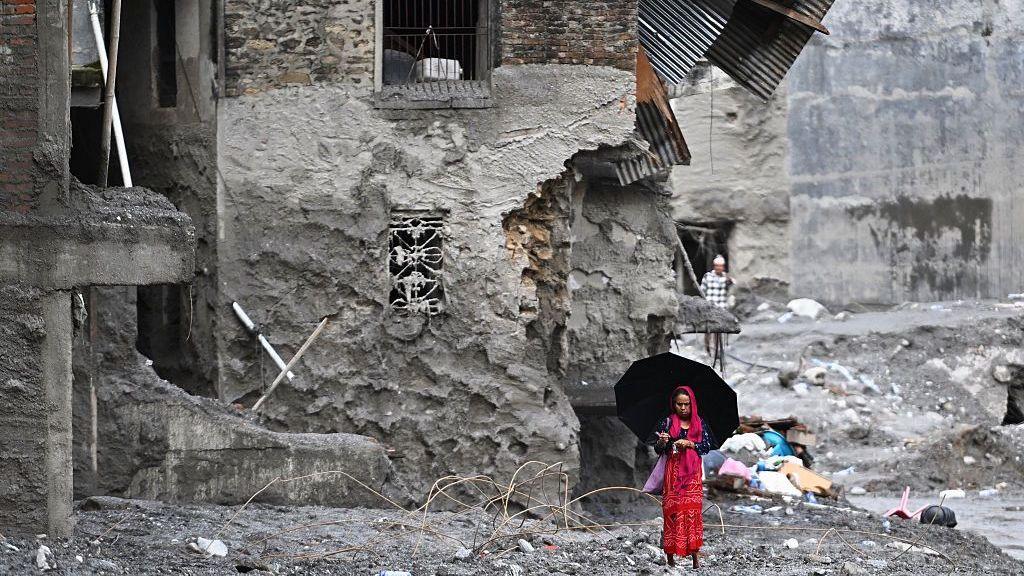
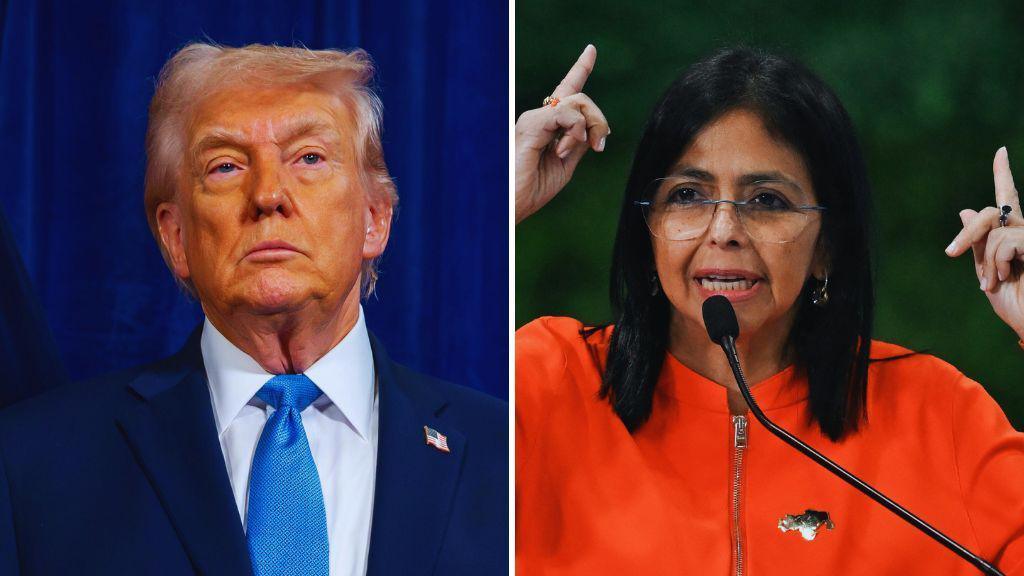
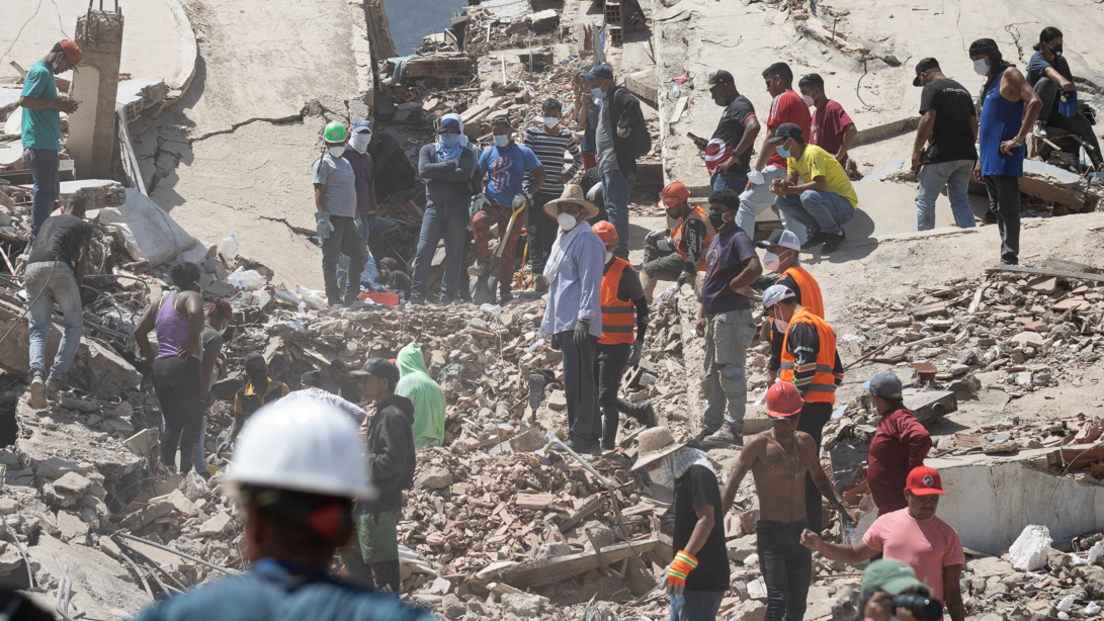
On 29 June, twin earthquakes—magnitudes 7.2 and 7.5—bursted near Caracas, collapsing almost 800 buildings in La Guaira and turning the city into a swirling pile of rubble. Interim President Delcy Rodríguez hails the disaster as the country’s “most brutal natural catastrophe,” but the immediate aftermath has been dominated by locals digging with crowbars, mallets and bare hands.
Local Volunteers Stump Rescue Efforts
Rescue teams report that Venezuelan police and army are on the streets, but the actual clean‑up crews and heavy machinery are scarce and often arriving too late. Radio operator Ruben Rojas, an electrician, said: “The civil protection people decided to help, but they don’t have the equipment. The government doesn’t give it; they are just like us, working with their hands.”
In La Guaira city, volunteer efforts have lasted for days on a single collapsed building, yet earth‑moving equipment finally arrived after the structure’s debris had settled, limiting its ability to rescue survivors. Carolyn Zerpa, a 39‑year‑old searching for her father, noted how a pick‑axe can only do so much as she awaits proper burial plans for her missing family.
International Aid and UN Coordination
The United Nations’ humanitarian coordinator, Gianluca Rampolla Del Tindaro, confirmed that more than 500 aftershocks have followed the twin tremors, and that 2,500 structures were damaged with many collapsing fully. He announced that the UN is procuring 10,000 body bags and emphasizes a continuing focus on rescue operations amid rising death tolls.
Several foreign governments have pledged support: the United States announced an additional $300 million (about £227 million) beyond its previous commitment, the Netherlands plans a vessel with emergency supplies, and China has promised almost $15 million in aid. The US Navy’s USS Fort Lauderdale is docked in La Guaira to facilitate rapid delivery of supplies.
Government Response and Public Sentiment
Interim President Rodríguez stated that 25,000 emergency workers—police, soldiers and volunteers—have been active, and she announced a commission chaired by National Assembly President Jorge Rodríguez to assess damage and set a colour‑coded safety system. Meanwhile, residents in the mountainous area of El Junquito report minimal official presence, relying instead on farmers carrying basic supplies. “We are waiting for answers, for debris to be cleaned up, for inspections, for people who have been really affected to be helped,” resident Keily Ibarra told Reuters.
The 21‑year‑old rescued after being trapped over 100 hours exemplifies the slow but relentless international cooperation, with rescue teams from Venezuela, Mexico and El Salvador working together. Yet as aftershocks continue, hope that more survivors can be found diminishes.