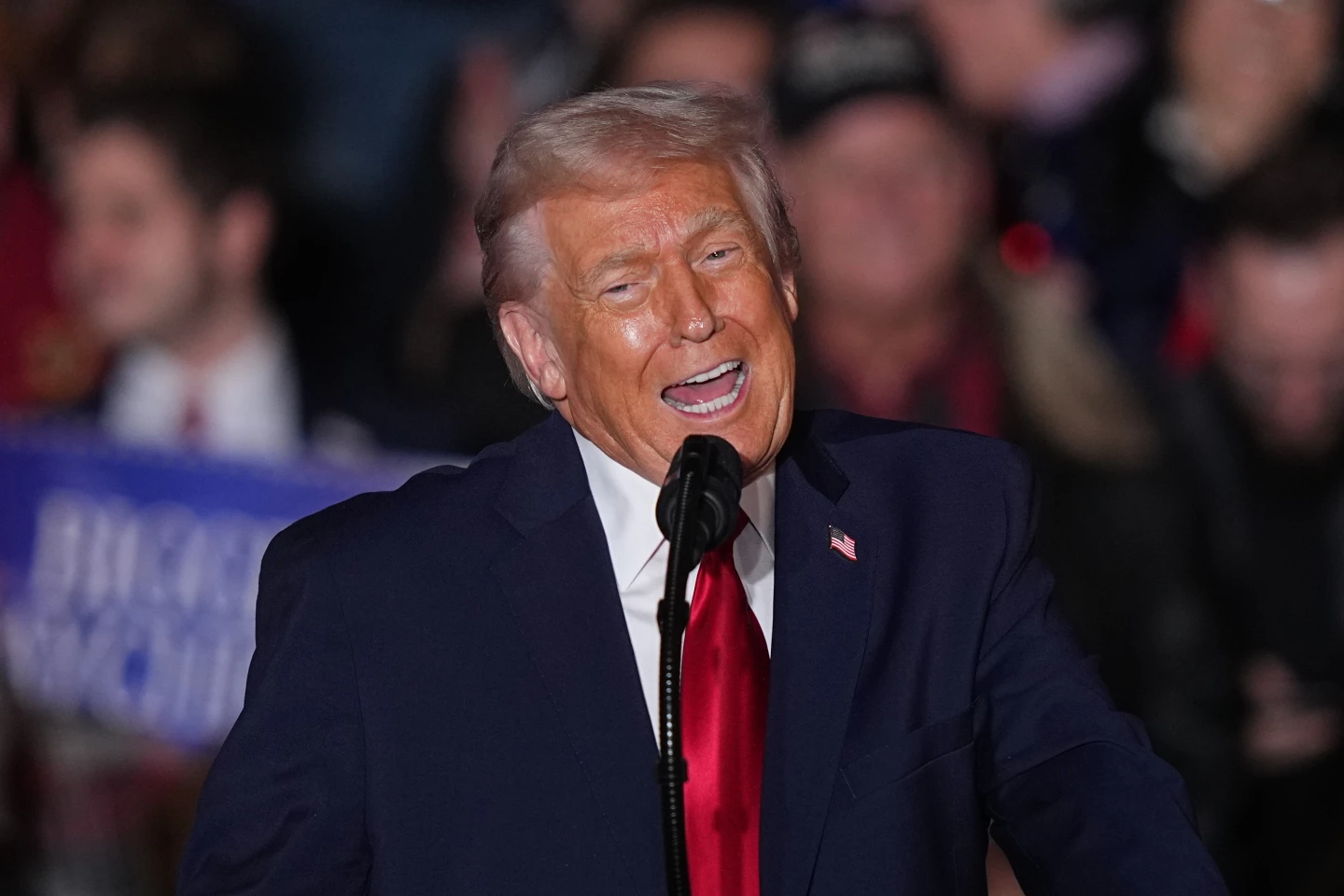
Five years ago, Vice President Joe Biden's off-mic use of profanity while discussing the Affordable Care Act was a rare sight in political circles. Fast forward to recent political rallies, notably those held by former President Donald Trump, where explicit language has become a staple.
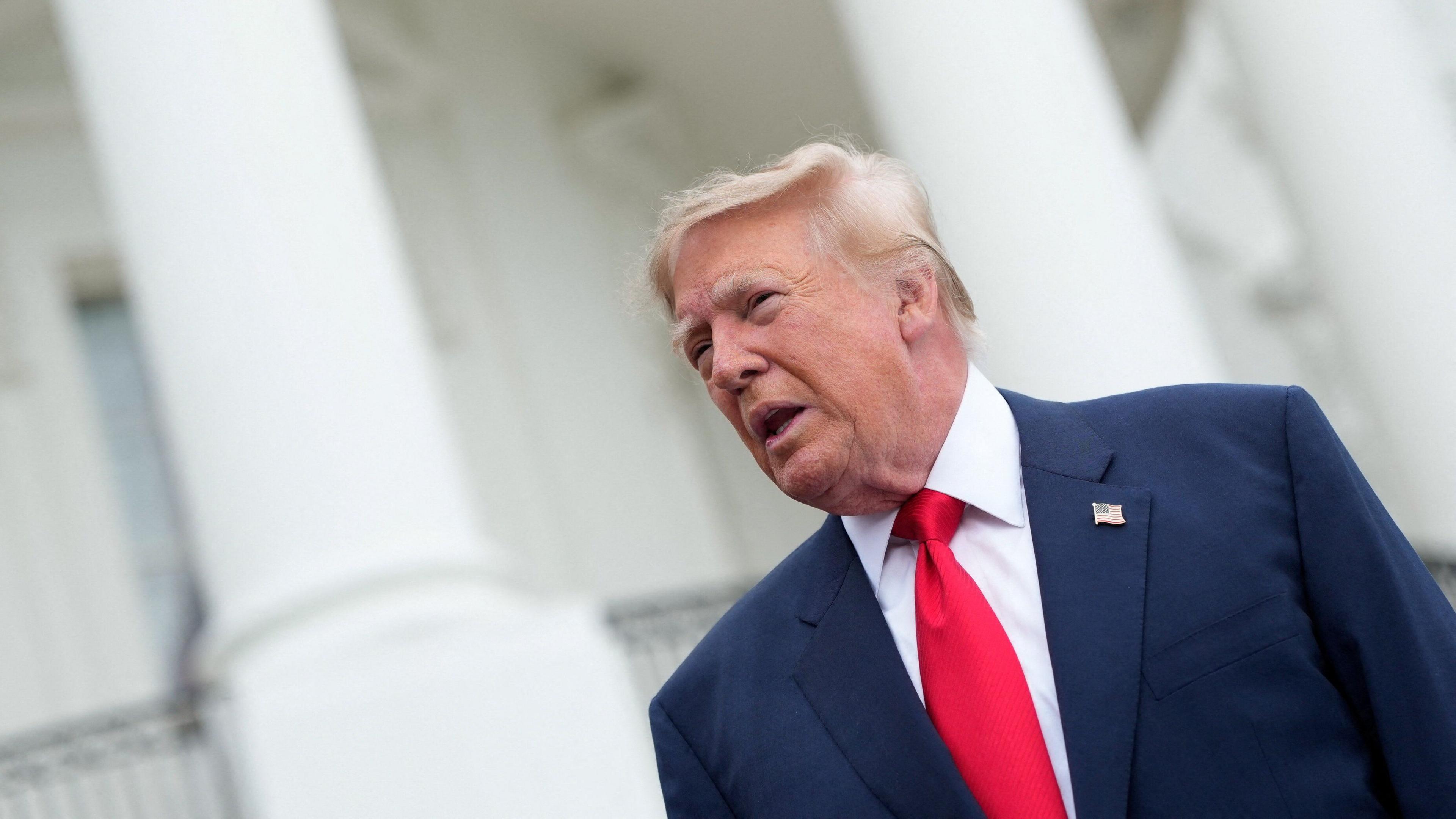
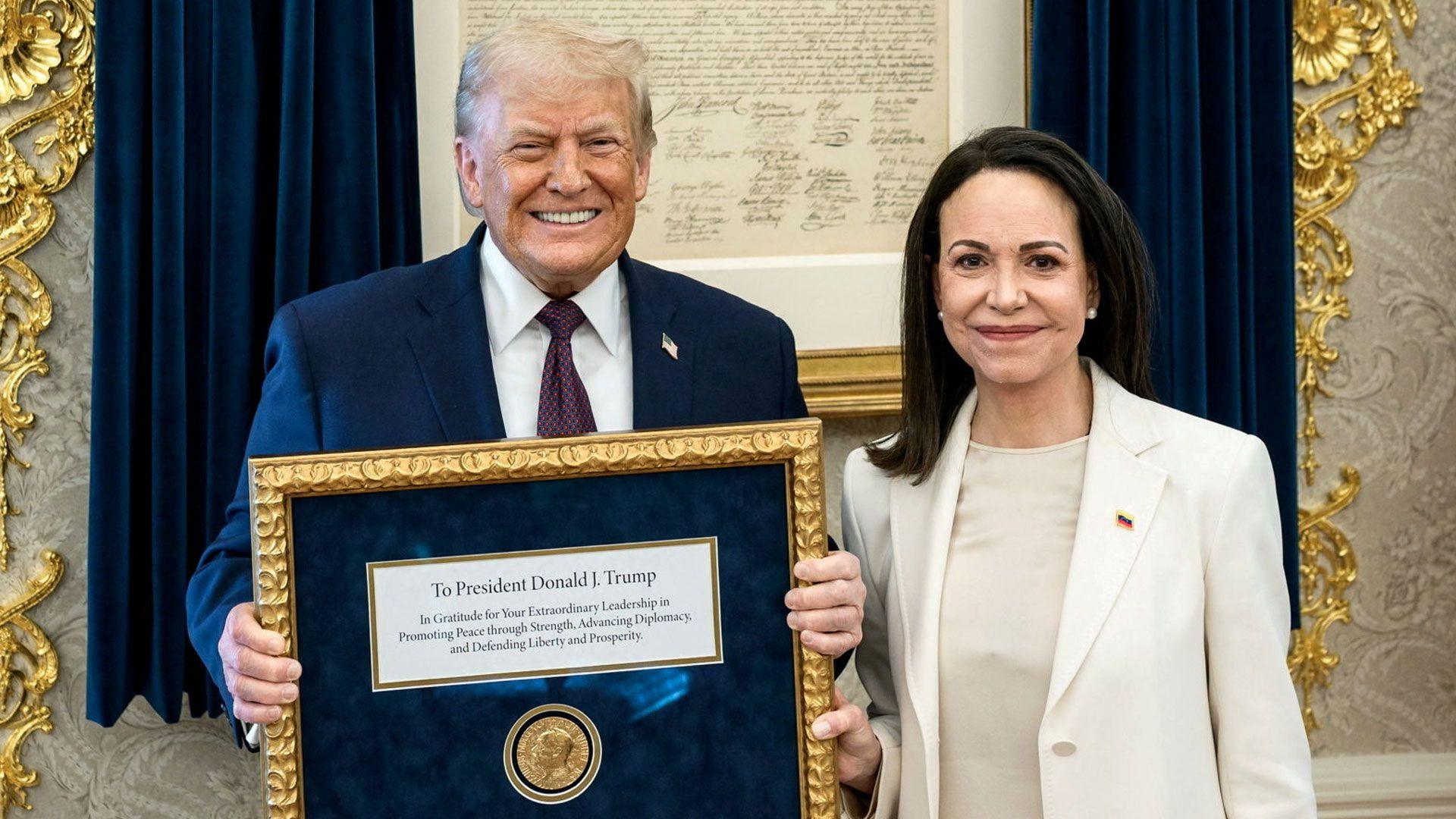
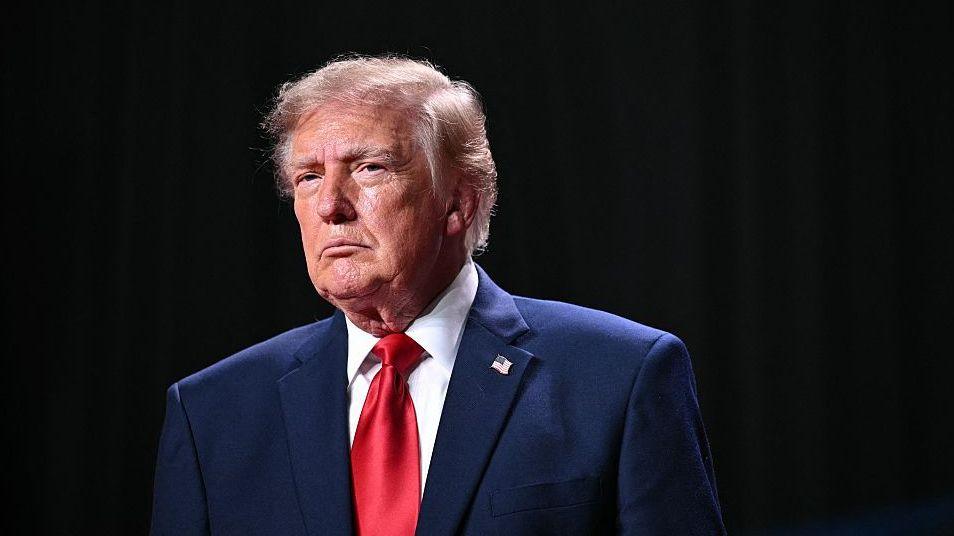
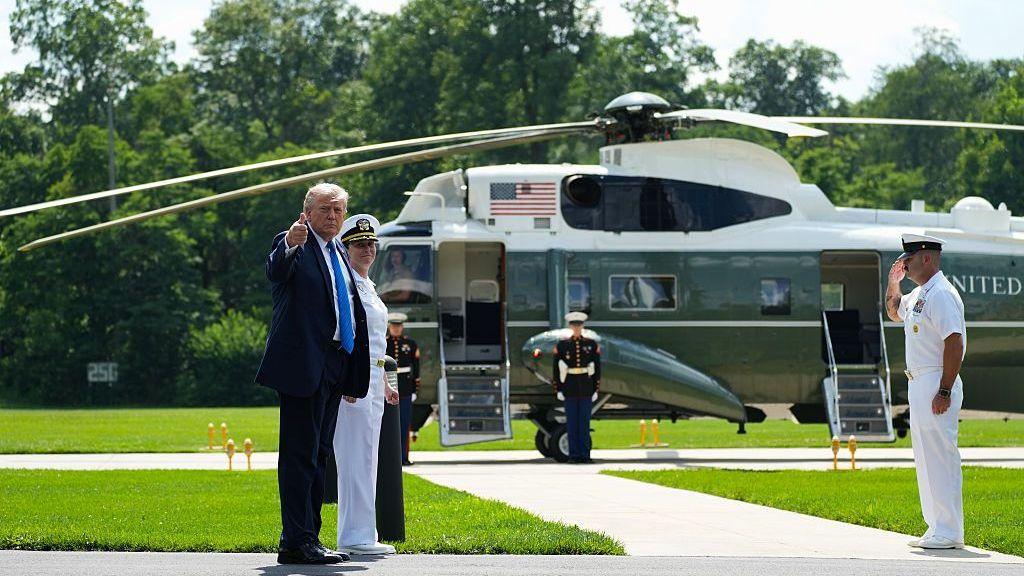
The normalization of vulgarity in political rhetoric has sparked discussions across the political spectrum. In Pennsylvania, President Trump repeatedly used profanity while addressing inflation, openly recalling derogatory remarks he made about other countries. His approach is seen as part of a broader strategy to challenge political correctness, an issue resonating with many within his base.
Democrats, too, have embraced harsher language. Former Vice President Kamala Harris received applause for her effusive condemnation of the Trump Administration. Similarly, other Democratic leaders have expressed sentiments that reflect a growing acceptance of coarse discourse.
This trend raises concerns about the overall tone of political communication. As voters become accustomed to such language, there is a risk that its impact may wane, much like the comedic use of profanity which comedian Jerry Seinfeld noted he moved away from for more genuine laughs.
Experts suggest that the rise of social media plays a significant role in this cultural shift. Outrageous statements and behavior garner more engagement online, prompting leaders to adopt increasingly inflammatory rhetoric to capture attention.
While profanity can serve to connect with audiences on a visceral level, over-reliance on these tactics could alienate potential voters. Political communication expert Benjamin Bergen notes the historical use of crude language was more confined to private settings, contrasting sharply with today's public projections of such rhetoric.
As both parties gear up for the critical 2026 midterm elections and the subsequent presidential races, it remains to be seen whether this linguistic trend will become entrenched as a mainstream approach. For some politicians, like GOP Rep. Don Bacon, this trajectory reflects poor communication skills, suggesting a need to articulate ideas without resorting to vulgarity.
In conclusion, as political leaders navigate the complex dynamics of voter appeal and effective communication, the use of profanity is likely to remain a focal point in discussions about the evolution of political discourse.