In brief
Somalia’s communications minister has voiced strong objection to WhatsApp’s plan to enable usernames that replace phone numbers. The move could make it harder for authorities to trace messages from groups used by the al‑Shabaab insurgency and may expose users to financial scams. WhatsApp has said the feature will still mention a phone number for identity checks and has built safeguards against fraud. India and other governments are sharing similar concerns, while Meta says the change improves privacy. The debate illustrates the tension between privacy and security in a volatile region.
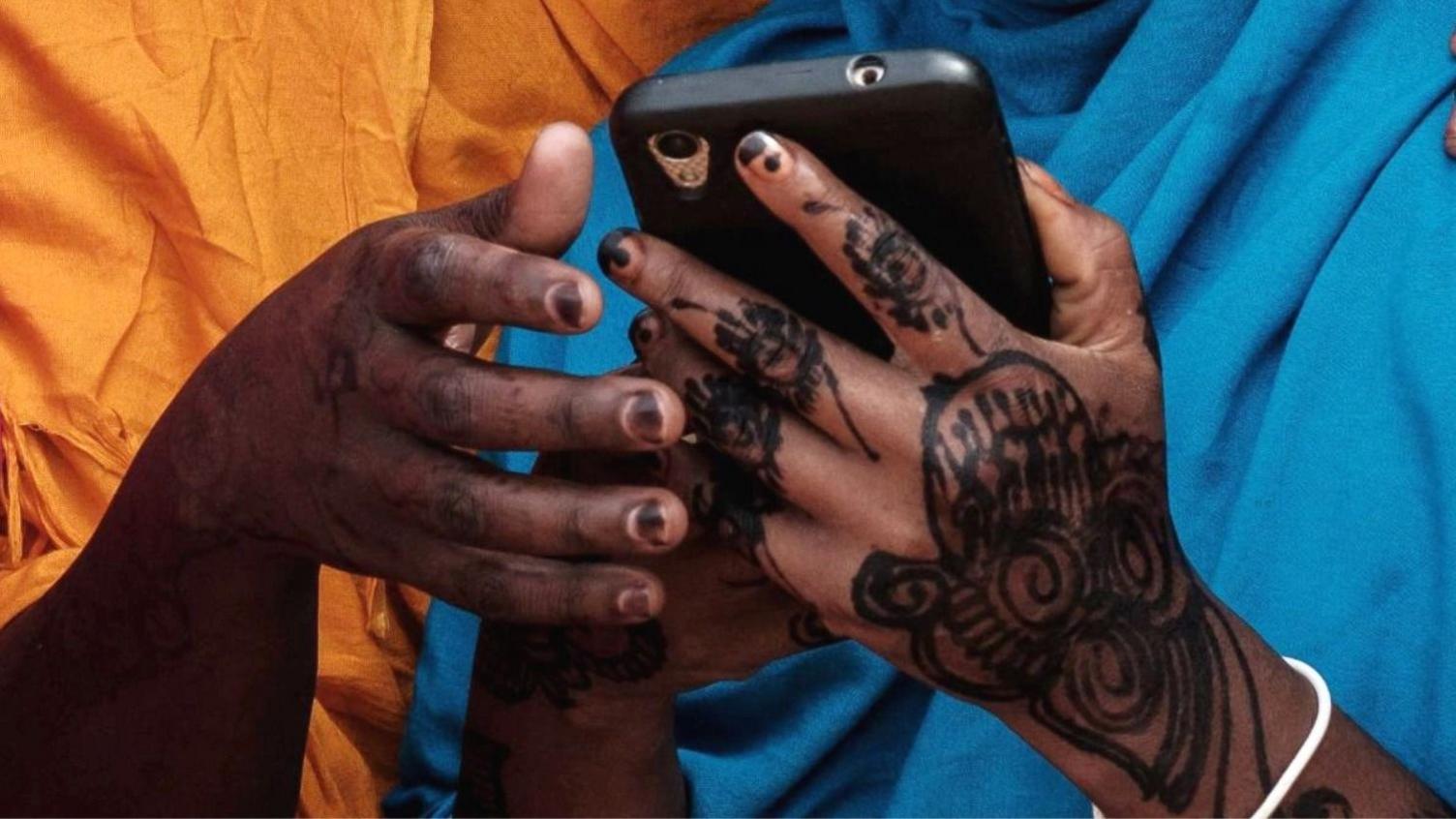
Somalia’s government has raised alarms over WhatsApp’s pending rollout of a "username" feature that would let users chat without showing a phone number. The change is slated to reach the platform’s three‑billion user base in the next few months.
Communications Minister Ahmed Osman Dirie warned that removing phone numbers could undermine the country’s ability to track and counter militants who use the service for propaganda and extortion. Al‑Shabaab, the Al‑Qaeda affiliate that has waged a brutal insurgency for more than twenty years, has already been monitored through WhatsApp groups, and in 2024 Somali intelligence shut down twenty groups linked to the movement.
WhatsApp replied that the feature is not live yet and that a phone number will still be required to create an account. The company added that built‑in safeguards are designed to reduce scams, yet Somalia demands concrete proof that usernames will not erode digital traceability or expose users to fraud involving mobile money transactions, which are a backbone of the local economy.
India, the platform’s largest market with more than 850 million users, has echoed similar concerns. Earlier this month, New Delhi requested that Meta pause the rollout until adequate safeguards are in place, citing the risk of impersonation and fraud that might arise when criminals can contact victims without revealing a phone number.
Anti‑terrorists, tech journalists, and privacy advocates are debating whether the benefit of a single identity neutralised by a username outweighs the potential dangers of untraceable communications. Kenyan security strategist George Musamali notes that while privacy may be improved, governments can still harness the data that is shared to protect critics and suspect militants. He calls for a balanced approach that respects personal privacy while enabling law‑enforcement to retain necessary evidence.
The dispute highlights a key tension for global platforms: how to extend user privacy without compromising public safety in regions where mobile messaging is central to daily life and conflict operations.