Thousands of files provided by a whistleblower at Interpol expose for the first time the extent of Russia's apparent abuse of the international policing agency to target its critics abroad. The data provided to the BBC World Service and French investigative outlet, Disclose, reveals that Russia is using Interpol's wanted lists to request the arrest of people such as political opponents, businessmen, and journalists, claiming that they have committed crimes.
Analysis of data also suggests that over the past decade, Interpol's own independent complaints unit has received more complaints about Russia than anyone else - three times more than the next highest country, Turkey. In addition, it indicates complaints against Moscow's requests have led to more cases being overturned than for any other country.
After Russia's full-scale invasion of Ukraine, Interpol introduced extra checks on Moscow's activity 'to prevent any potential misuse of Interpol's channels in relation to the targeting of individuals within or beyond the conflict in Ukraine'. But the leaked documents suggest these did not prevent Russia from abusing the system, and the whistleblower told us some stricter measures were quietly dropped in 2025.
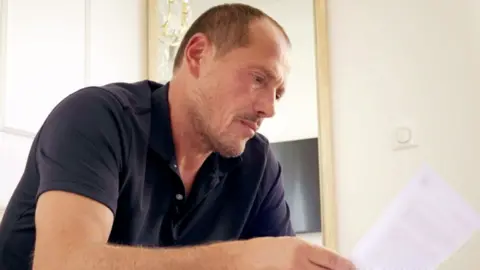
In response, Interpol has stated that every year, thousands of the world’s most serious criminals are arrested thanks to its operations and that numerous systems to avoid misuse have been strengthened. Igor Pestrikov, a businessman targeted by a red notice, expressed that living under the threat of arrest has severe impacts, stating, 'When you're hit with a red notice, your life changes completely.'
Despite the evidence highlighted by the leaked documents, lawyers argue that Interpol should take stronger actions against member states that abuse its systems, suggesting that countries guilty of persistent misuse should face temporary suspension from Interpol's functions. Without reform, activists fear that Russia could continue to use Interpol's systems to further its agenda against dissidents worldwide.
Analysis of data also suggests that over the past decade, Interpol's own independent complaints unit has received more complaints about Russia than anyone else - three times more than the next highest country, Turkey. In addition, it indicates complaints against Moscow's requests have led to more cases being overturned than for any other country.
After Russia's full-scale invasion of Ukraine, Interpol introduced extra checks on Moscow's activity 'to prevent any potential misuse of Interpol's channels in relation to the targeting of individuals within or beyond the conflict in Ukraine'. But the leaked documents suggest these did not prevent Russia from abusing the system, and the whistleblower told us some stricter measures were quietly dropped in 2025.
In response, Interpol has stated that every year, thousands of the world’s most serious criminals are arrested thanks to its operations and that numerous systems to avoid misuse have been strengthened. Igor Pestrikov, a businessman targeted by a red notice, expressed that living under the threat of arrest has severe impacts, stating, 'When you're hit with a red notice, your life changes completely.'
Despite the evidence highlighted by the leaked documents, lawyers argue that Interpol should take stronger actions against member states that abuse its systems, suggesting that countries guilty of persistent misuse should face temporary suspension from Interpol's functions. Without reform, activists fear that Russia could continue to use Interpol's systems to further its agenda against dissidents worldwide.