In brief
Extensive reports illustrate how China's policies aimed at economic uplift for Uyghurs in Xinjiang inadvertently promote labor migration. Experts assert that these programs may hide systemic coercion, challenging international efforts against forced labor.
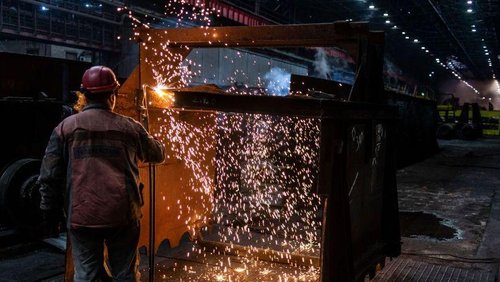
In a complex landscape where economic ambition meets human rights concerns, China's approach to labor programs for the Uyghur population has garnered global attention. These initiatives are framed as efforts to lift one of the country's poorest regions, Xinjiang, out of poverty. However, several reports have surfaced that suggest a darker undertone associated with these labor transfer programs.According to a recent joint investigation involving The New York Times and other reputable entities, a substantial number of Uyghurs are being systematically relocated to work across various Chinese provinces. This includes jobs in manufacturing sectors ranging from rubber production to automotive assembly. Critics argue that although ostensibly aimed at enhancing economic conditions, these policies may simultaneously function as a strategy to dilute cultural resistance to Chinese governance.Observations indicate that Uyghurs arrive at factories in organized groups, often sponsored and transported by the government. Labeled as voluntary job placements, narratives emerging from rights advocates suggest a troubling undercurrent of coercion. Rahima Mahmut, a prominent Uyghur rights activist, has described the forced relocations as akin to hell, prompting concerns about the effectiveness of international regulators striving to eradicate forced labor from global supply chains.Moreover, experts estimate that the number of Uyghurs affected by these labor transfers could be in the tens of thousands, though the exact conditions they face remain ambiguous. This ambivalence poses a challenge for international authorities attempting to reconcile China's economic narratives with humanitarian principles. The question remains: can economic assistance genuinely be provided without infringing upon the rights and identities of the Uyghur people?As fresh evidence unfolds, the world watches with both concern and anticipation—hoping for an outcome that respects the dignity of the Uyghurs while supporting genuine socio-economic development. The dichotomy between uplifting communities and perpetuating systems of control continues to shape the broader discourse around labor practices in China's Xinjiang province.