In brief
Russian President Vladimir Putin has expressed a willingness for a ceasefire in Ukraine, but his conditions may undermine any prospects for peace. He emphasizes the need for long-term solutions and seeks guarantees regarding Ukraine's military activities, raising doubts about the sincerity of the proposed halt in hostilities.
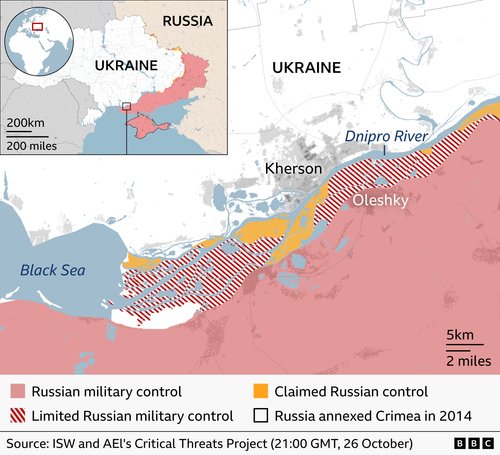
Vladimir Putin has indicated a possibility for a halt in military action regarding the Ukraine conflict, yet he made clear that "nuances" surrounding this proposal could jeopardize the hope for a 30-day ceasefire. The Russian leader's initial agreement to cease hostilities was quickly tempered with the assertion that any cessation must address the deep-rooted issues fueling the conflict. However, his definition of these root causes centers around a perception that Ukraine's aspirations for sovereignty and alignment with the West represent a direct threat to Russia.Putin's insistence on demilitarisation of Ukraine remains a key sticking point, particularly as the Eastern European nation seeks integration into NATO and the European Union—a move enshrined in its constitution. While the prospect of NATO involvement has been questioned by figures like former President Donald Trump, Putin's declarations reflect an unwavering dismissal of Ukraine's legitimacy as an independent state.With Russia's military recently establishing ground in contested regions like Kursk, Putin exhibits a confident demeanor, viewing negotiations as a display of strength. He expressed skepticism towards any potential ceasefire, equating a pause in hostilities to a tactical disadvantage for Russian forces, who he believes would allow Ukrainian military cohesion to strengthen.The claim of significant Russian advances, particularly in Sudzha, contrasts with reports suggesting much of the front remains stable, thus prolonging the conflict's deadlock. Putin's rhetorical questioning raises the issue of whether a pause might serve as a front for Ukrainian rearmament.Russia has not proposed credible mechanisms to assure compliance with ceasefire terms, illustrating a lack of faith in the feasibility of such pauses. While Western nations have signaled a possible peacekeeping role, their involvement appears contingent on a final peace agreement rather than a simple halt in fighting—which Russia may not allow.Given these circumstances, it is evident that Putin's readiness for a ceasefire may be contingent upon numerous conditions that Ukraine finds untenable. His focus on engaging in dialogue with U.S. officials, particularly with Trump’s administration, frames the dynamics surrounding potential negotiations, highlighting a complex interplay of military, political, and diplomatic considerations that could shape the path forward in the ongoing conflict.