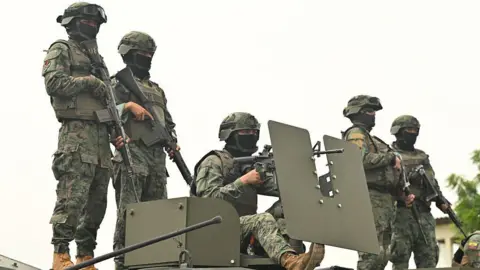
The three-judge panel unanimously concluded that Trump's deployment of the National Guard was within his rights, a reversal from a lower court decision that deemed his actions unlawful. Judge Charles Breyer had previously determined that Trump did not adhere to proper Congressional protocols for mobilizing the National Guard, insisting that control should be returned to the state governor. However, the appeals court emphasized that Trump's failure to follow specific federal procedures did not negate his overall authority to call upon the National Guard.
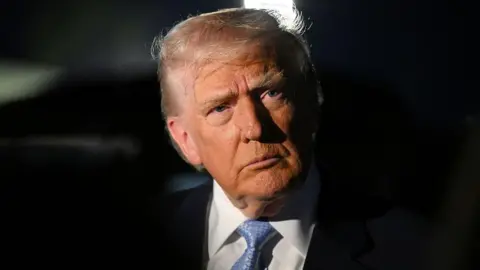
Trump heralded the court’s decision as a "big win" and asserted that his administration would ensure protection for American cities when local law enforcement is unable to maintain order. Conversely, Governor Newsom criticized the ruling, arguing that it endorses an authoritarian misuse of military power against American citizens, reminding the public that Trump is not exempt from judicial scrutiny.
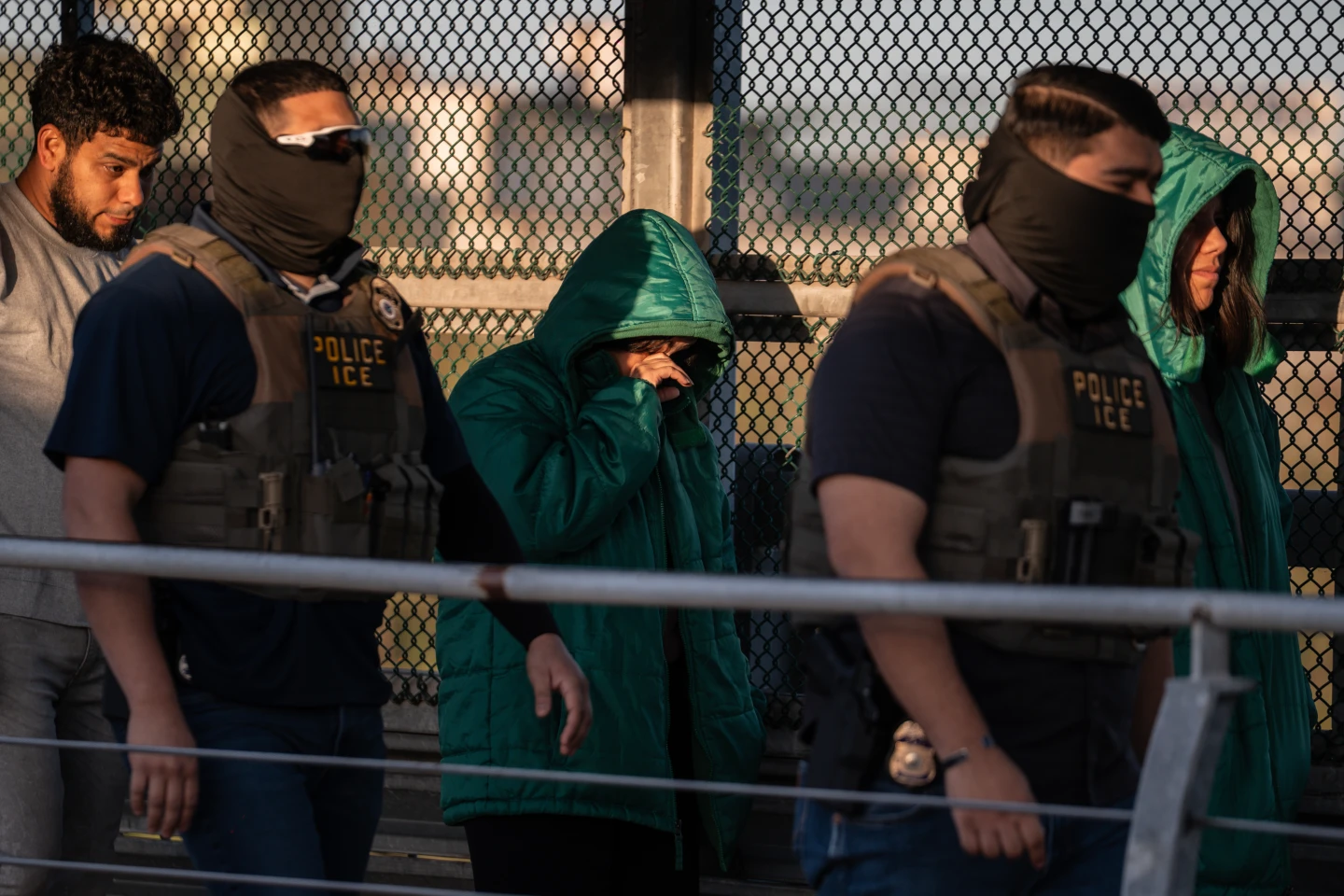
The ruling reinforces Trump's ongoing efforts to address immigration enforcement in the state, with reports that the troops are intended to support immigration raids and protect federal personnel and properties. The case's implications ripple beyond California, touching on broader debates regarding state and federal powers concerning National Guard deployments. As tensions escalate, the future interactions between state governance, federal authority, and military presence in civilian contexts remain a critical point of contention.
Trump heralded the court’s decision as a "big win" and asserted that his administration would ensure protection for American cities when local law enforcement is unable to maintain order. Conversely, Governor Newsom criticized the ruling, arguing that it endorses an authoritarian misuse of military power against American citizens, reminding the public that Trump is not exempt from judicial scrutiny.
The ruling reinforces Trump's ongoing efforts to address immigration enforcement in the state, with reports that the troops are intended to support immigration raids and protect federal personnel and properties. The case's implications ripple beyond California, touching on broader debates regarding state and federal powers concerning National Guard deployments. As tensions escalate, the future interactions between state governance, federal authority, and military presence in civilian contexts remain a critical point of contention.