In brief
With gas prices falling to their lowest levels since February, this shift poses significant implications for political dynamics.
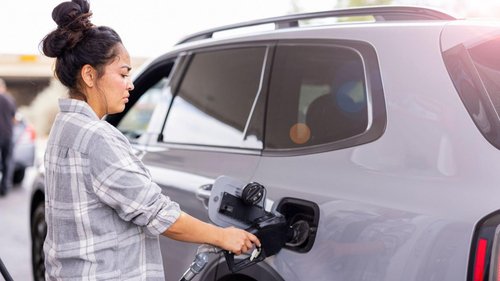
Gasoline prices have recently shown a marked decline, with national averages dropping to around $3.16 per gallon—an 11 percent decrease compared to the same period last year. This decline is particularly noteworthy as it comes in the wake of several global crises, including the continued impact of the Russia-Ukraine conflict, which had previously driven fuel costs higher. In 19 states including key battlegrounds such as Georgia, North Carolina, and Wisconsin, prices are already below $3 per gallon. This dip in fuel costs has led to more favorable conditions for consumers, particularly as the nation approaches the critical weeks leading up to the presidential election.Gas prices, along with other essential goods like groceries, often serve as key indicators of economic health in the public discourse. The visibility of gas prices plays a crucial role in shaping voter perceptions of their financial well-being. Currently, Americans allocate approximately 2 percent of their disposable income to gasoline, a decrease from previous election cycles, with the exception of the pandemic-affected 2020 election.Amid these changes, Vice President Kamala Harris has leveraged the economic improvements to highlight the administration's efforts. The Biden administration has pointed to specific actions, such as the strategic sale of oil from the national reserve and the easing of certain gasoline production regulations, both of which are credited with contributing to the reduction in gas prices. As the situation continues to evolve, the political ramifications of this economic shift remain to be seen, especially in a landscape where fuel prices can heavily influence voter sentiment.