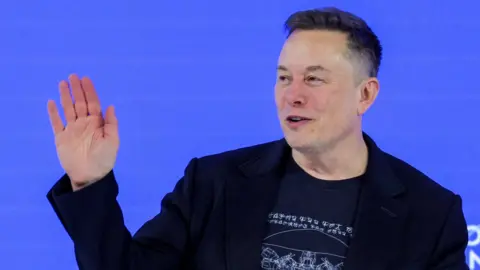
Musk's connection with Prime Minister Giorgia Meloni stems from her hardline stance against illegal migration, a promise that has led to the establishment of processing centers in Albania intended to manage migrant arrivals. However, delays and legal complications have raised serious questions about their effectiveness and alignment with European Union law. Italian courts are currently revisiting policies regarding the treatment of asylum seekers, putting Meloni's government under increased scrutiny.
The discussions surrounding these legal challenges have led to a polarized political environment where the government's relationship with the judiciary is being closely examined. Critics, including legal experts, fear that the political rhetoric could undermine judicial independence while also questioning the practical benefits of the detention centers proposed by Meloni's administration.
As the controversy continues to unfold, both Musk and Meloni remain in the public eye, raising concerns about external influence in domestic policies and the implications for Italy's democracy.
Musk's involvement may illustrate broader global narratives on migration and governance, and the increasing complexity of international political relationships as various nations grapple with asylum and immigration issues.
Furthermore, observers are highlighting the need for more comprehensive policy solutions rather than simply the expansion of detention facilities, which may distract from tackling more fundamental issues within the asylum system. With Musk asserting his right to express opinions and the Italian judiciary facing mounting criticism, Italy's political climate remains contentious and fraught with tension over how best to approach its immigration challenges.
The debate reflects not only Italian domestic politics but also the international implications of migration policies and the necessity for coherent, effective action to address the humanitarian needs of asylum seekers.
The discussions surrounding these legal challenges have led to a polarized political environment where the government's relationship with the judiciary is being closely examined. Critics, including legal experts, fear that the political rhetoric could undermine judicial independence while also questioning the practical benefits of the detention centers proposed by Meloni's administration.
As the controversy continues to unfold, both Musk and Meloni remain in the public eye, raising concerns about external influence in domestic policies and the implications for Italy's democracy.
Musk's involvement may illustrate broader global narratives on migration and governance, and the increasing complexity of international political relationships as various nations grapple with asylum and immigration issues.
Furthermore, observers are highlighting the need for more comprehensive policy solutions rather than simply the expansion of detention facilities, which may distract from tackling more fundamental issues within the asylum system. With Musk asserting his right to express opinions and the Italian judiciary facing mounting criticism, Italy's political climate remains contentious and fraught with tension over how best to approach its immigration challenges.
The debate reflects not only Italian domestic politics but also the international implications of migration policies and the necessity for coherent, effective action to address the humanitarian needs of asylum seekers.