In brief
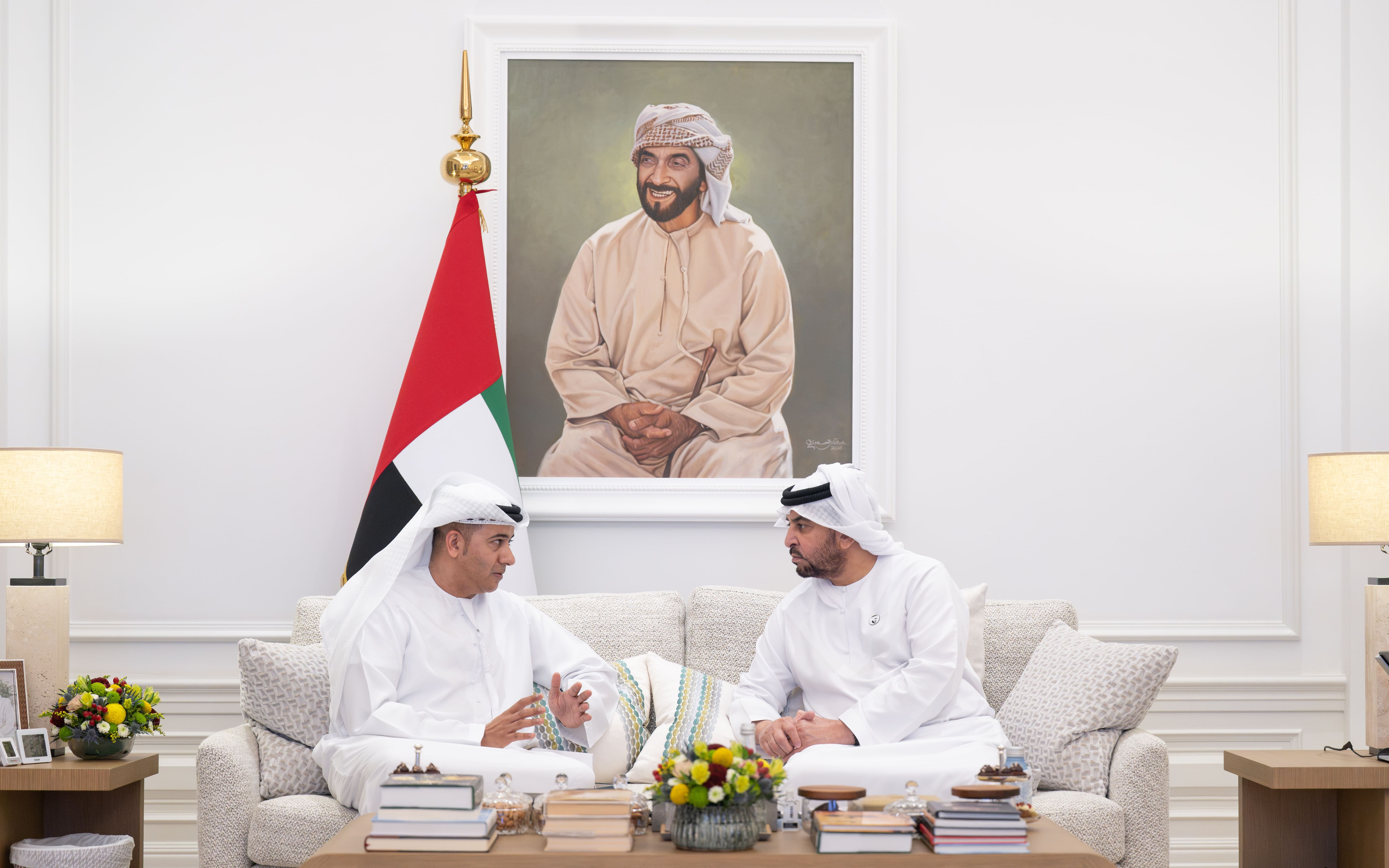
On 1 November 2026, Sheikh Hamdan bin Zayed Al Nahyan hosted a delegation from the Federal Authority for Nuclear Regulation (FANR) at Al Nakheel Palace. The meeting reviewed FANR's regulatory activities, nuclear safety initiatives, and Emiratisation efforts, highlighting the workforce's predominantly Emirati composition. Sheikh praised national teams for strengthening emergency preparedness and securing a safe future for successive generations.
H.H. Sheikh Hamdan bin Zayed Al Nahyan opened a meeting on 1 November 2026 at Al Nakheel Palace in Abu Dhabi with a delegation from the Federal Authority for Nuclear Regulation (FANR). The delegation, led by Hamad Al Kaabi, Director General of FANR, was presented to the Ruler’s Representative in the Al Dhafra Region to discuss the Authority’s current regulatory work and future direction.
The discussion focused on FANR’s responsibilities in overseeing nuclear safety, emergency preparedness, and the peace‑use of nuclear energy within the UAE. Hamad Al Kaabi outlined the Authority’s ongoing projects and its strategies to maintain the highest standards of nuclear security and regulatory compliance.
Sheikh Hamdan emphasized that the UAE’s progress in the nuclear sector reflects the vision of President His Highness Sheikh Mohamed bin Zayed Al Nahyan and the directives of the UAE’s leadership. He highlighted the importance of building national capabilities and sustaining an integrated regulatory framework aligned with accelerating scientific and technological advances.
During the briefing, Sheikh Hamdan praised the dedication of national teams that have established a comprehensive system for emergency preparedness and response. He noted that these efforts strengthen the nation’s readiness and protect its achievements and future generations, in alignment with the wise leadership’s aspirations.
The meeting also showcased FANR’s Emiratisation program, which aims to qualify and develop Emirati professionals in nuclear science and engineering. The Authority reports that Emirati nationals presently make up more than 79% of its total workforce, a testament to the success of national capacity‑building initiatives.
Emiratisation is seen as essential for the UAE’s sustainable development, ensuring that national expertise keeps pace with sectoral requirements. Sheikh Hamdan acknowledged the role of Emirati professionals in qualifying and maintaining the country’s peaceful use of nuclear energy.
FANR also discussed emerging nuclear technologies and the regulatory adjustments required to keep abreast of global advancements. These topics were framed within the broader context of the UAE’s commitment to safe nuclear development and national security.
Finally, the delegation reviewed the Authority’s engagement with international bodies, including recent visits by the International Atomic Energy Agency (IAEA) to the Barakah Nuclear Energy Plant. The IAEA’s inspections focus on safety, security, and adherence to global standards, reinforcing the UAE’s dedication to transparent nuclear governance.
In conclusion, Sheikh Hamdan’s remarks underlined a collaborative approach to national safety and the cultivation of local talent. The visit reaffirmed the UAE’s commitment to nurturing a robust, Emirati‑led nuclear industry that supports the country’s longer‑term energy and sustainability goals.