In brief
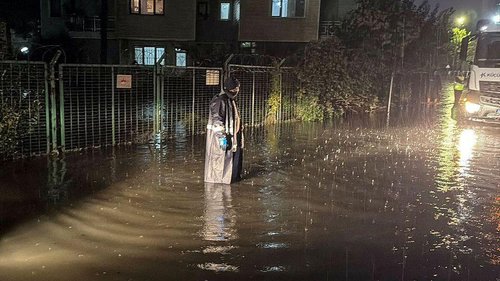
In just eight hours, parts of eastern Spain received nearly a year’s worth of rainfall, leading to severe flooding and highlighting the urgent impact of climate change on weather patterns.
Catastrophic flooding in eastern Spain has resulted in what scientists describe as a harbinger of severe storms that are expected to increase in frequency and intensity due to human-driven climate change. This week’s deluge, which left the region grappling with the deadliest weather-related disaster in recent history, underscores the growing urgency for improved flood preparedness as global warming exacerbates existing weather patterns.The recent storm produced nearly 20 inches of rain in just eight hours in Chiva, an area that normally receives that amount over an entire year. Meteorologists emphasize that the increase in atmospheric moisture linked to rising global temperatures contributes to the likelihood of intense downpours, especially in regions such as eastern Spain that are prone to seasonal storms.Andreas Prein, a renowned expert in weather and climate modeling, noted the dual challenges posed by extreme weather and outdated infrastructure. He stated, "We know that extreme rainfall is becoming more extreme and more frequent," indicating a clear trend that underscores the impact of climate change on weather events. The call for proactive measures to address infrastructure vulnerabilities is becoming increasingly critical as the risk of severe flooding grows.The devastation caused by the recent storms serves as a potent reminder of the pressing need for local leaders to invest in flood preparedness strategies to mitigate future risks associated with increasingly erratic weather patterns. As global temperatures continue to rise due to greenhouse gas emissions from fossil fuels, the reality of more powerful storms looms larger than ever before.