In brief
An unusually active hurricane season saw rapid intensification as the defining trend, challenging forecasts and spotlighting the impact of climate change on storm activity.
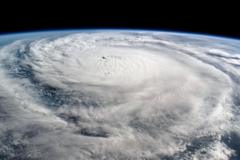
In a surprising 2024 hurricane season, featuring Hurricanes Helene and Milton, the South-East United States experienced significant devastation. This season has defied typical patterns, with five hurricanes forming rapidly over a two-week span, nearing the annual average. This burst followed an unusually calm early September. The season opened dramatically with Hurricane Beryl on July 2, marking the earliest category five hurricane recorded since 1920. Predictions had suggested an extraordinary season due to warm Atlantic temperatures. By now, nine hurricanes have formed, already surpassing the annual average, although the total number of tropical storms, which includes less intense systems, remains average.Despite favorable sea temperatures, a delayed activity period occurred until Helene's emergence on September 24. Sea surface temperatures in the main hurricane development zone have been approximately 1°C above the recent average; however, complexities in atmospheric conditions initially inhibited storm formation. Scientists suggest factors such as shifts in the West African monsoon and Saharan dust were involved.Late September saw a rapid acceleration in storm formation and intensity. Of the six Atlantic storms forming in succession, five evolved into hurricanes, four witnessing rapid intensification—a phenomenon where wind speeds surge drastically within 24 hours. For instance, Hurricane Milton's wind speeds increased by over 90 mph in such a period, one of the quickest historic cases.Climate change has exacerbated both wind and rain conditions during this activity. Experts note that storms intensifying over warm waters illustrate the immediate impact of climate change. This was notably evidenced by Category 5 Hurricane Milton's unusual eastward path through the Gulf of Mexico.Looking forward, forecasters are monitoring potential storm developments near the Cabo Verde Islands, with consistently elevated sea temperatures posing a continued risk of intense hurricane activity. The onset of La Niña might contribute to favorable hurricane conditions in the Atlantic, contingent on other atmospheric factors.This season's unusual patterns, driven by climate change, are projected to persist, emphasizing the enhanced frequency and intensity of hurricanes as enduring climate challenges.