
In brief
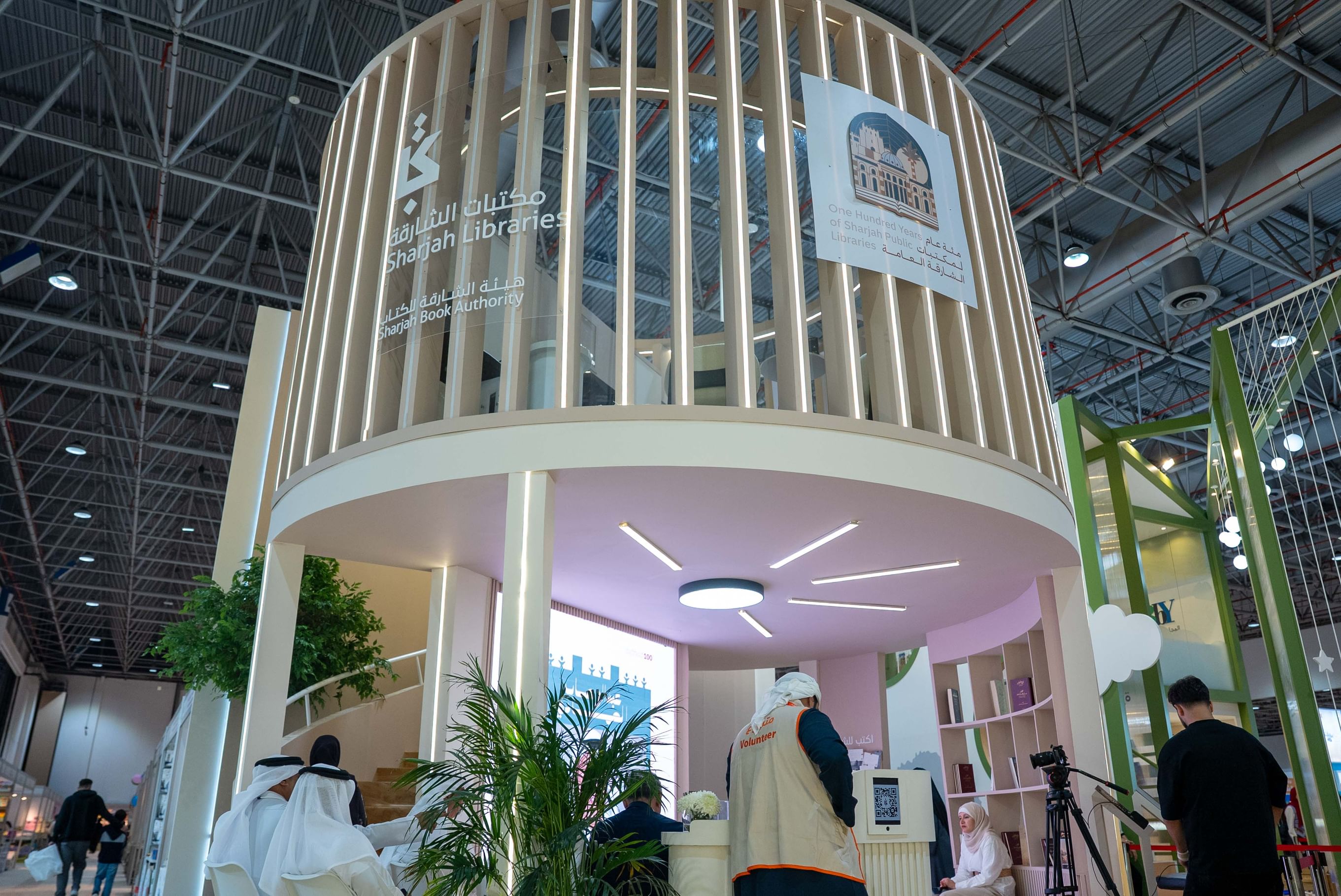
The Sharjah Public Libraries (SPL) guided visitors of the 45th Sharjah International Book Fair (SIBF) through the history of libraries with a program titled “Library of Civilisation.” The initiative encompassed seven events across three pillars—“Book in Focus,” “Behind the Scenes,” and “The Big Book Club”—and highlighted influential books, authors and publishing processes. The program aimed to illuminate how libraries have preserved collective memory, foster reading among younger generations and create spaces for dialogue and discovery.
On Wednesday, 4 November 2026, the Sharjah Public Libraries (SPL) introduced a cultural programme called “Library of Civilisation” at the 45th Sharjah International Book Fair (SIBF), held at Expo Centre Sharjah. The fair, which opened that same day under the theme “Made of Stories,” was the backdrop for SPL’s seven‑event journey through the history of libraries and their role in preserving knowledge.
SPL’s programme was organised into three pillars: “Book in Focus,” “Behind the Scenes,” and “The Big Book Club.” The portal sought to showcase influential books, authors, and the processes behind publishing, while also offering visitors a chance to explore how libraries have facilitated the transmission of knowledge across generations.
Book in Focus
The first pillar presented works that revisited significant periods of Islamic and Andalusian history through conversations with authors. On 5 November, Sheikha Al Mutairi, Secretary‑General of the Emirates Writers Union, hosted a session titled “Thus Spoke the Books,” during which she discussed her book Days of Books and shared stories accumulated from years of working among bookshelves. In a following session on 6 November, Emirati author Ahmed Rashid bin Fahad talked about his book Granada After the Fall: The Story of an Undefeated People in a talk titled “Thus Spoke History,” where he examined the fall of Granada and the human and historical changes that accompanied it. On 13 November, Professor Mashhad Al Allaf, of the Department of History and Islamic Civilisation at the University of Sharjah, was scheduled to present a discussion that would continue the exploration of intellectual heritage in the region.Behind the Scenes
While specific events under this pillar were not disclosed in the source, SPL positioned it as a chance for visitors to learn about the mechanics that enable libraries to function—such as cataloguing, preservation, and the collaboration between scholars and researchers. The pillar was meant to complement the thematic focus of the other two sections by revealing the backstage work that underpins access to knowledge.The third pillar, “The Big Book Club,” was intended to engage audiences in a collective reading experience and to encourage dialogue about literature. Like the “Behind the Scenes” pillar, the specific events planned for this section were not mentioned in the source, though SPL highlighted that it would feature sessions on popular and historically significant works to stimulate discussion and reflection among participants.
Eman Bushulaibi, Director of SPL, said libraries bear witness to the development of human knowledge and to generations of scholars, writers and researchers who collected, documented and transmitted it. She added that the programme aims to shed light on this journey and enable visitors to discover the stories behind books and manuscripts and learn about the role libraries have played in preserving societies’ collective memory and cultural heritage.
In her remarks, Bushulaibi also linked the introduction of younger generations to the history of libraries to the encouragement of reading and the use of contemporary knowledge resources. She stressed SPL’s intention to make libraries “spaces for dialogue and discovery,” where readers can engage with authors and researchers and gain a deeper understanding of how knowledge is produced and verified.
By aligning the cultural programme with the SIBF’s broader theme of storytelling, SPL sought to connect the past, present, and future of literature and institutional memory. The initiative underscores the ongoing relevance of libraries as custodians of heritage and as dynamic venues for learning and community participation.



